Hybrid app development company services help businesses build high-performance mobile applications using a single codebase while delivering consistent user experiences across platforms. Incora designs, builds, and supports scalable mobile solutions for iOS and Android, balancing speed, cost efficiency, and long-term maintainability.
Our services cover the full lifecycle of building and supporting hybrid mobile applications, from early planning to post-launch optimization. We focus on delivering stable, scalable solutions that work seamlessly across platforms while reducing development effort through a shared codebase and well-structured architecture.
As a hybrid app development company, Incora helps organizations deliver reliable cross-platform mobile solutions with predictable outcomes. Our Hybrid App Development Services are chosen by teams that require consistent performance across platforms, transparent delivery processes, and clear execution standards. Supported by visible trust signals and social proof, we focus on building hybrid applications that scale without unnecessary complexity or long-term risk.
Hybrid projects often slip due to unclear scope definition, differences between platforms, and underestimated integration complexity across shared logic, native components, and third-party services.
of hybrid app projects are delivered within 10–14 weeks using milestone-based planning by our hybrid app development company.
Hybrid apps frequently suffer from uneven behavior, UI inconsistencies, or performance gaps across platforms, which can negatively impact usability, user trust, and overall adoption rates.
platform bias achieved through optimized frameworks and platform-specific tuning by our Hybrid App Development Services team.
Maintaining separate native implementations significantly increases development effort, expands testing scope, and drives higher long-term maintenance costs across multiple platforms.
lower development and maintenance effort by delivering a single codebase mobile apps through our hybrid app development company approach.
Limited visibility into timelines, budget usage, and delivery risks makes hybrid app projects harder to plan, monitor, and adjust as requirements evolve.
delivery transparency with fixed milestones, weekly reporting, and cost checkpoints across all projects.
Architectural decisions made early in development can create scalability challenges, making hybrid applications expensive and risky to extend once user demand grows.
of apps scale without re-architecture due to modular design and clean integration patterns.
Ensuring ongoing compatibility with operating system updates, plugins, and third-party services becomes increasingly complex as hybrid applications mature.
post-launch support availability with defined SLAs for updates, fixes, and platform changes.
We use a carefully selected technology stack to build stable, high-performing hybrid applications that work reliably across devices and operating systems. Our choices prioritize maintainability, scalability, and efficient cross-platform delivery.
Core frameworks used to build responsive, performant hybrid applications that feel native on every platform while sharing a single codebase across devices. These frameworks allow teams to deliver consistent UI behavior, optimize performance, and reduce duplication across platforms while maintaining flexibility for platform-specific adjustments.
Backend technologies supporting secure data handling, business logic, integrations, and scalable infrastructure for hybrid mobile applications. Our backend stack is designed to support real-time functionality, reliable integrations, and growth-ready architectures that can evolve alongside the hybrid application.
Reliable data storage solutions are selected based on performance, structure, and synchronization needs of hybrid mobile applications. We choose databases that support consistency, real-time updates, and scalability, ensuring data remains accurate and accessible across devices and environments.
You can hire hybrid app developers from Incora on a full-time or part-time basis to extend your team, accelerate development, or support specific stages of your mobile project without long hiring cycles. As a Hybrid mobile App Development Company, we provide engineers experienced in building and maintaining cross-platform applications.
Please, select your warriors:


Your current team consists of 0 member:
Please drag & drop team members you want to hire
Our hybrid app development solutions are tailored to a range of business scenarios, from internal enterprise tools to customer-facing mobile products. Each solution type is designed to support scalability and cross-platform consistency.
Enterprise hybrid apps are built for internal systems, dashboards, and operational platforms requiring stability, security, and scalability. These solutions support complex workflows, role-based access, integrations with existing infrastructure, and long-term maintainability across platforms from a single codebase.
Hybrid MVP applications are designed for fast market entry and early validation. Focused on testing core assumptions, user demand, and functionality, these apps enable rapid iteration, controlled investment, and a clear path toward scaling after initial validation.
Hybrid applications are created to digitize workflows, approvals, reporting, and internal operations. These solutions reduce manual effort, improve visibility, and allow teams to manage processes consistently across mobile devices without maintaining multiple native applications.
Customer-facing hybrid apps focused on usability, engagement, and consistent cross-platform experiences. Built to support user interaction, notifications, personalization, and smooth navigation while maintaining performance parity across iOS and Android devices.
Hybrid commerce and marketplace applications supporting product catalogs, user accounts, payments, and analytics. Designed to handle transactional flows, integrations with third-party services, and scalable growth while keeping development and maintenance efficient through a shared codebase.
Hybrid internal business apps support employee workflows, reporting, and operational tools across departments. These applications enable secure access to internal systems while ensuring consistent performance and simplified maintenance across platforms.
Hybrid analytics applications are built to visualize data, metrics, and operational insights in real time. They support dashboards, reporting tools, and decision-making workflows that require consistent behavior across mobile devices.
Hybrid field service applications enable distributed teams to access data, report issues, and manage tasks from any location. These apps are optimized for offline access, synchronization, and reliable performance across devices.
Hybrid applications are designed to interact with connected devices, sensors, and external systems. These solutions support monitoring, data collection, and control interfaces while maintaining cross-platform consistency.
Hybrid content-driven applications deliver articles, video, audio, and interactive media across platforms. Built for performance and scalability, they support engagement features while minimizing development overhead through a shared codebase.
Our development services support products across industries where cross-platform consistency, performance, and long-term maintainability are essential. We adapt hybrid architectures to industry-specific workflows, regulatory requirements, and user expectations, ensuring applications remain reliable across devices while reducing development and maintenance overhead through a shared codebase.
Hybrid applications for managing property listings, images, pricing, and availability, built to support search behavior, user engagement, and performance across mobile devices.
Cross-platform CRM apps supporting lead tracking, client communication, and sales pipelines, enabling agents and managers to work efficiently from a single hybrid interface.
Hybrid tools focused on property analytics, ROI calculations, and portfolio visibility, delivering data-driven insights accessible across iOS and Android devices.
Self-service hybrid portals enabling communication, document sharing, and transaction workflows between tenants, owners, and property managers.
Our case studies highlight how hybrid applications evolve from initial releases into stable, production-ready products. Each solution demonstrates practical architectural decisions, cross-platform performance considerations, and real-world usage scenarios, showing how a single codebase can support scalability, maintainability, and consistent behavior across the required platforms without unnecessary complexity.
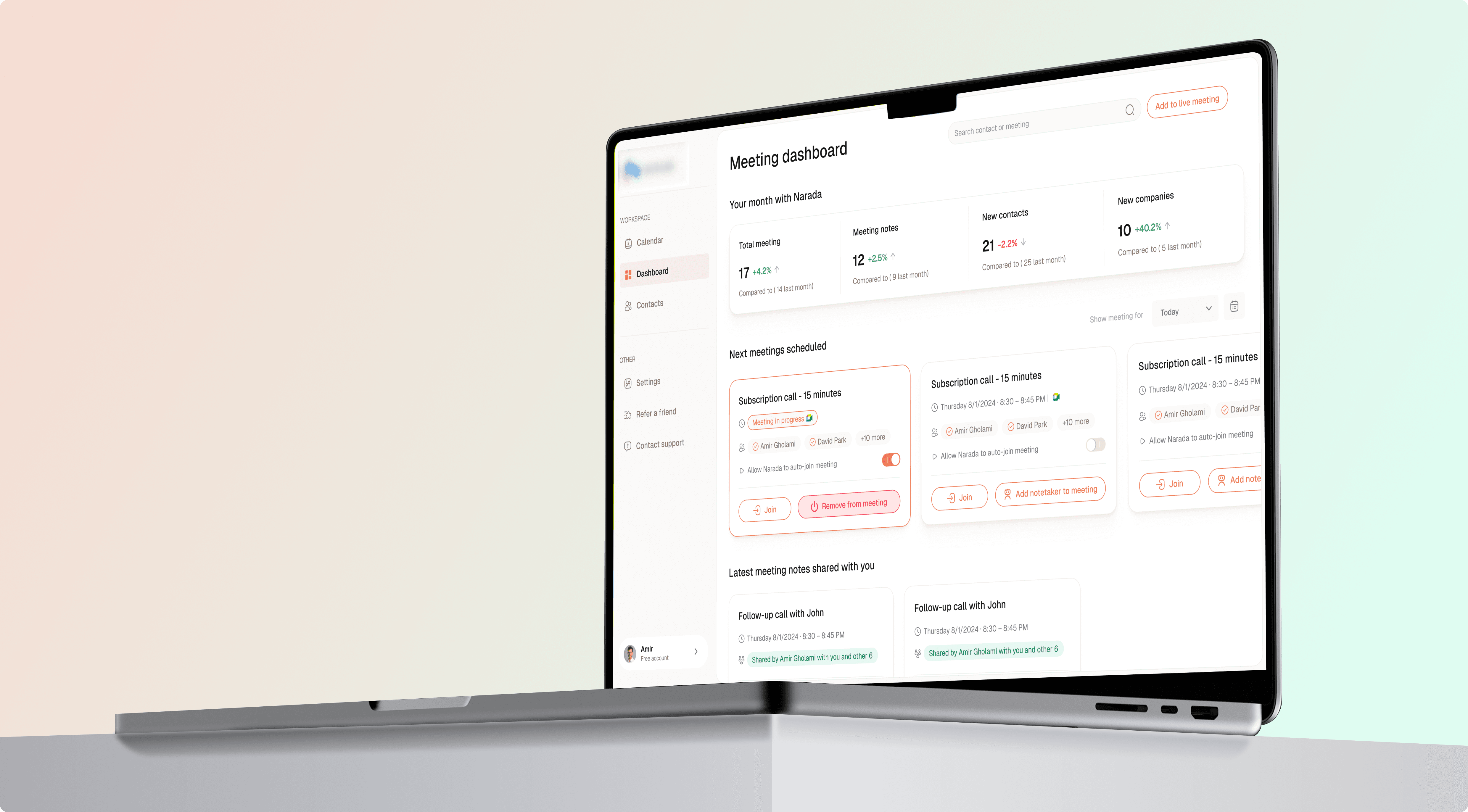
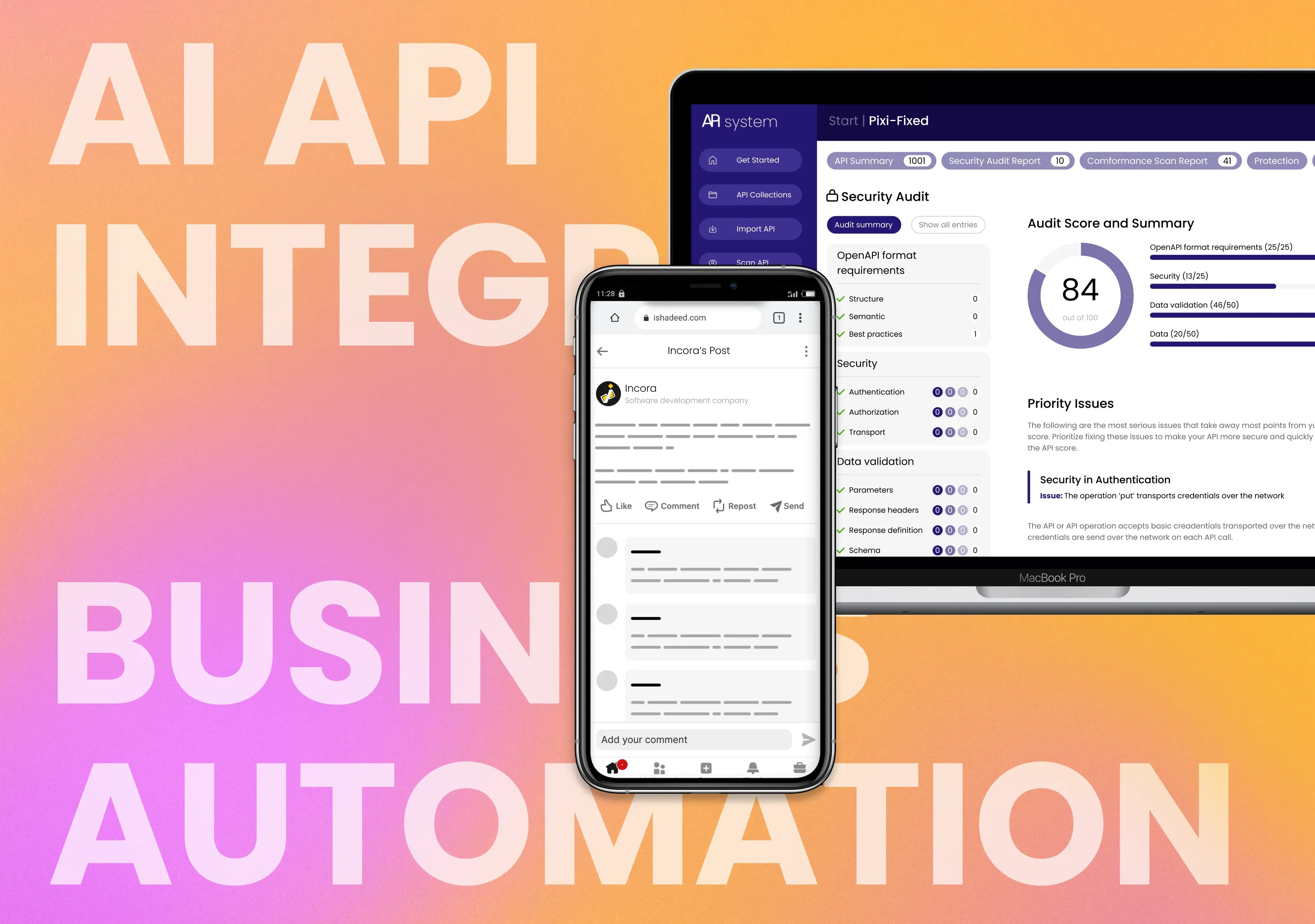
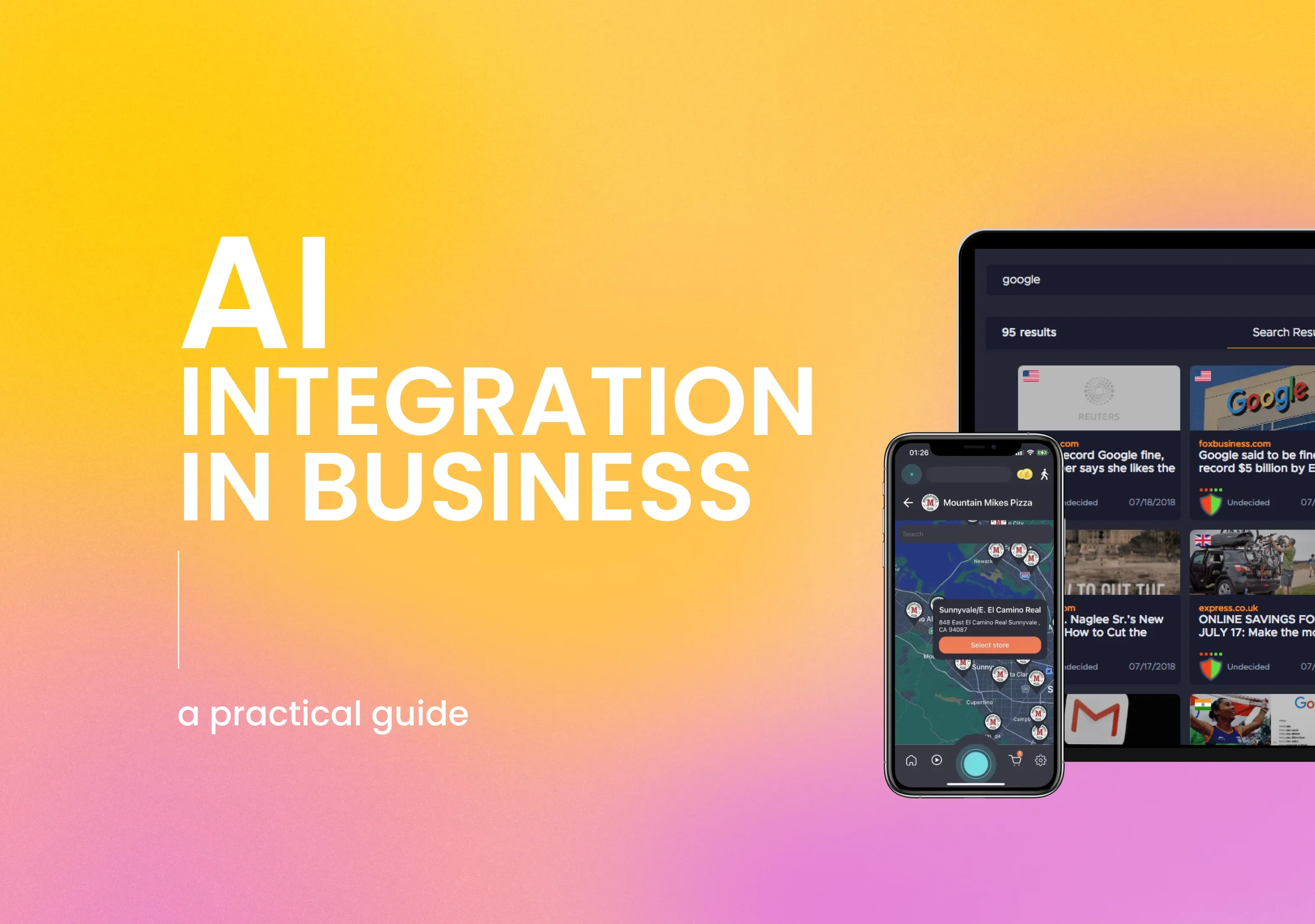
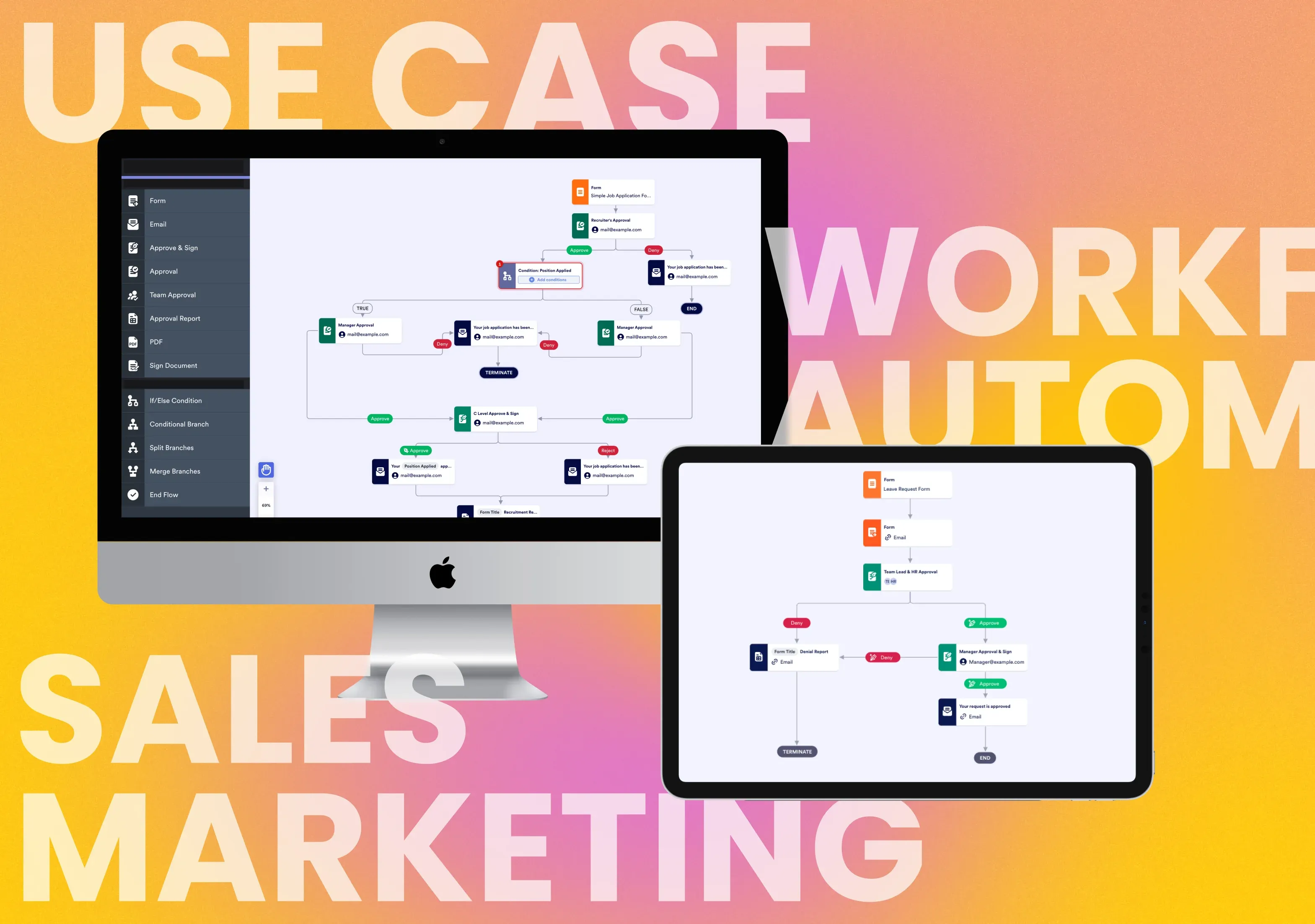
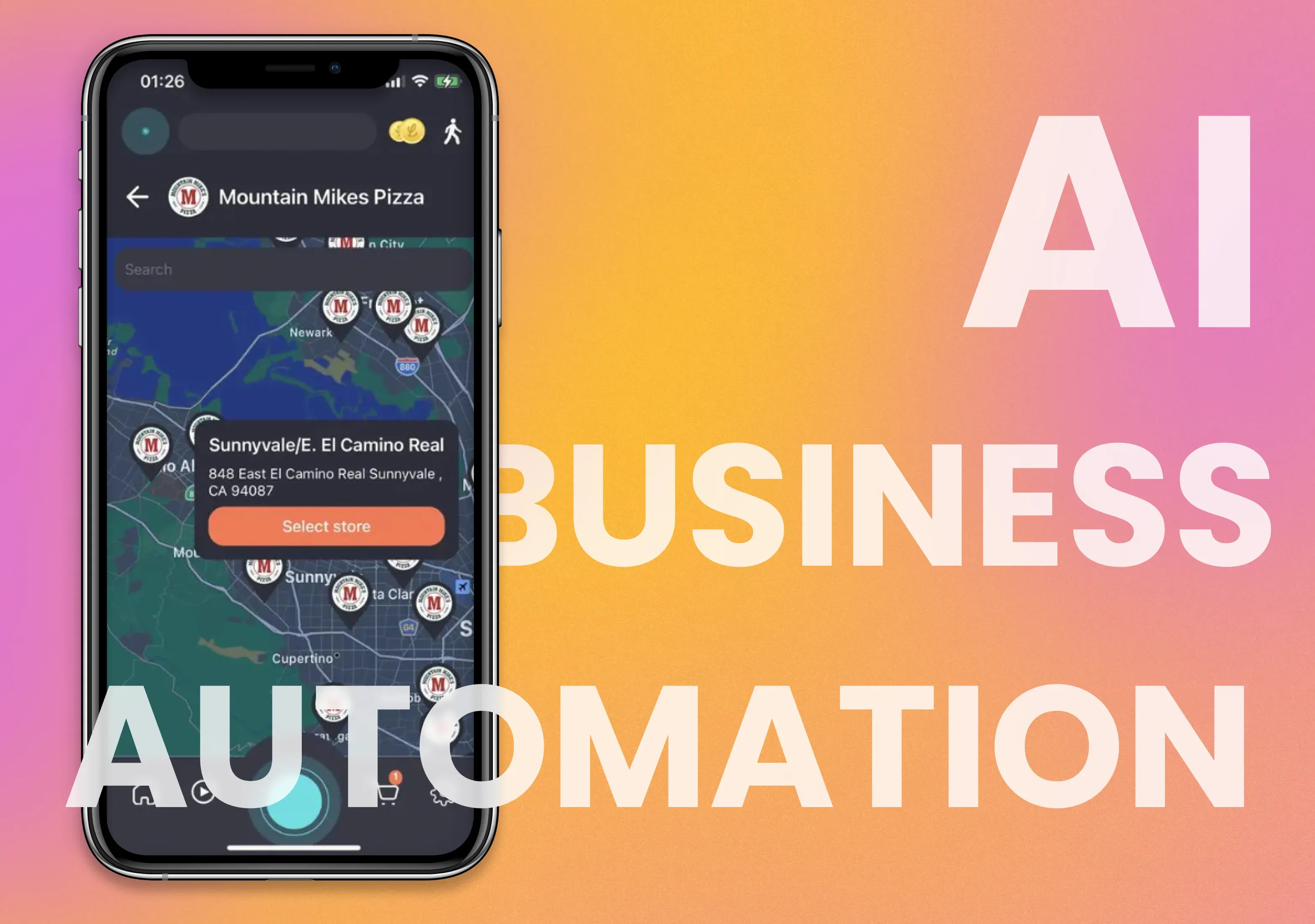
It is a startup platform for business process automation using agentic AI. It provides users with streamlined workflow services and intelligent decision-making capabilities, designed for enterprise-level customization and integration.
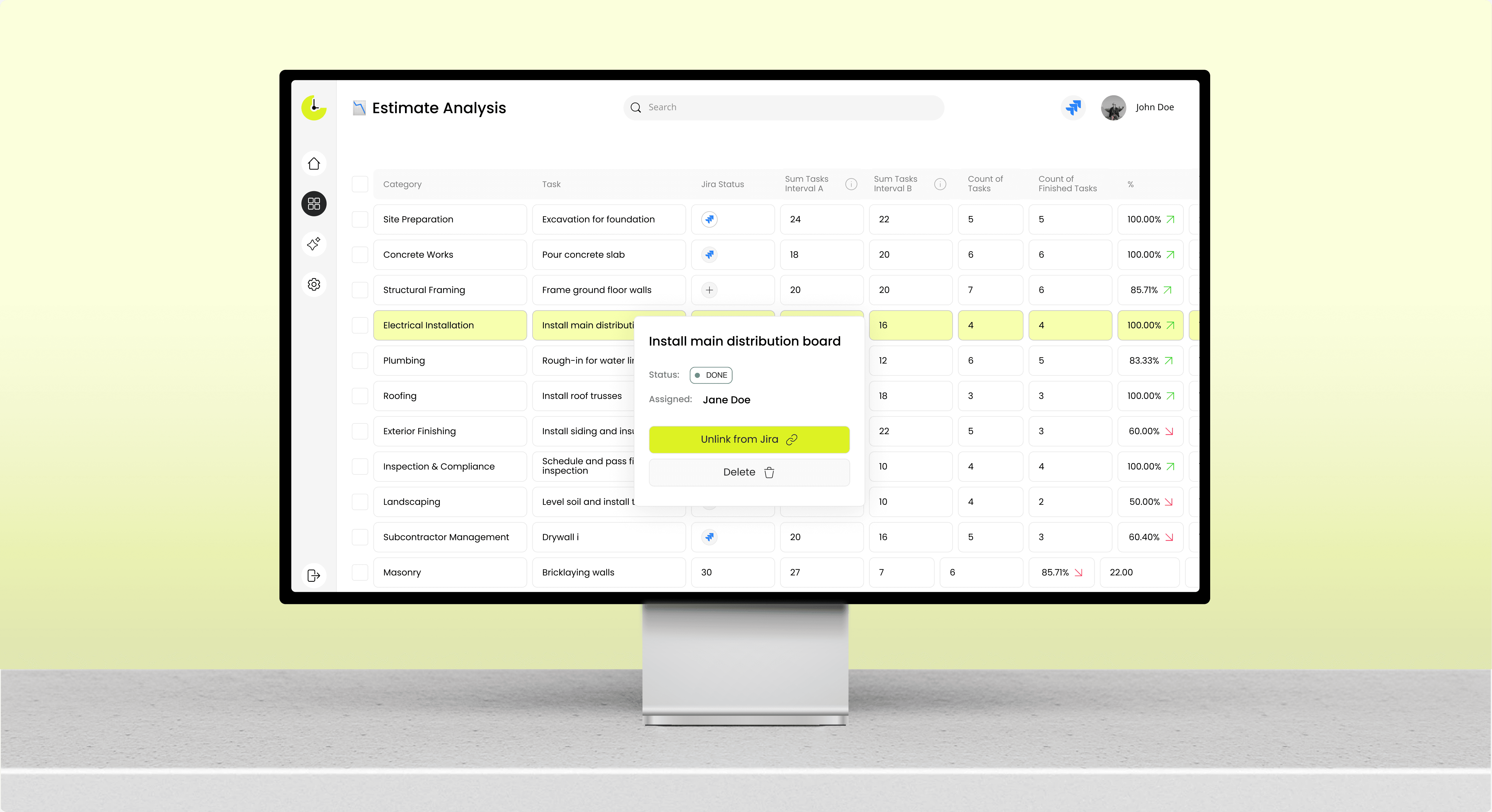
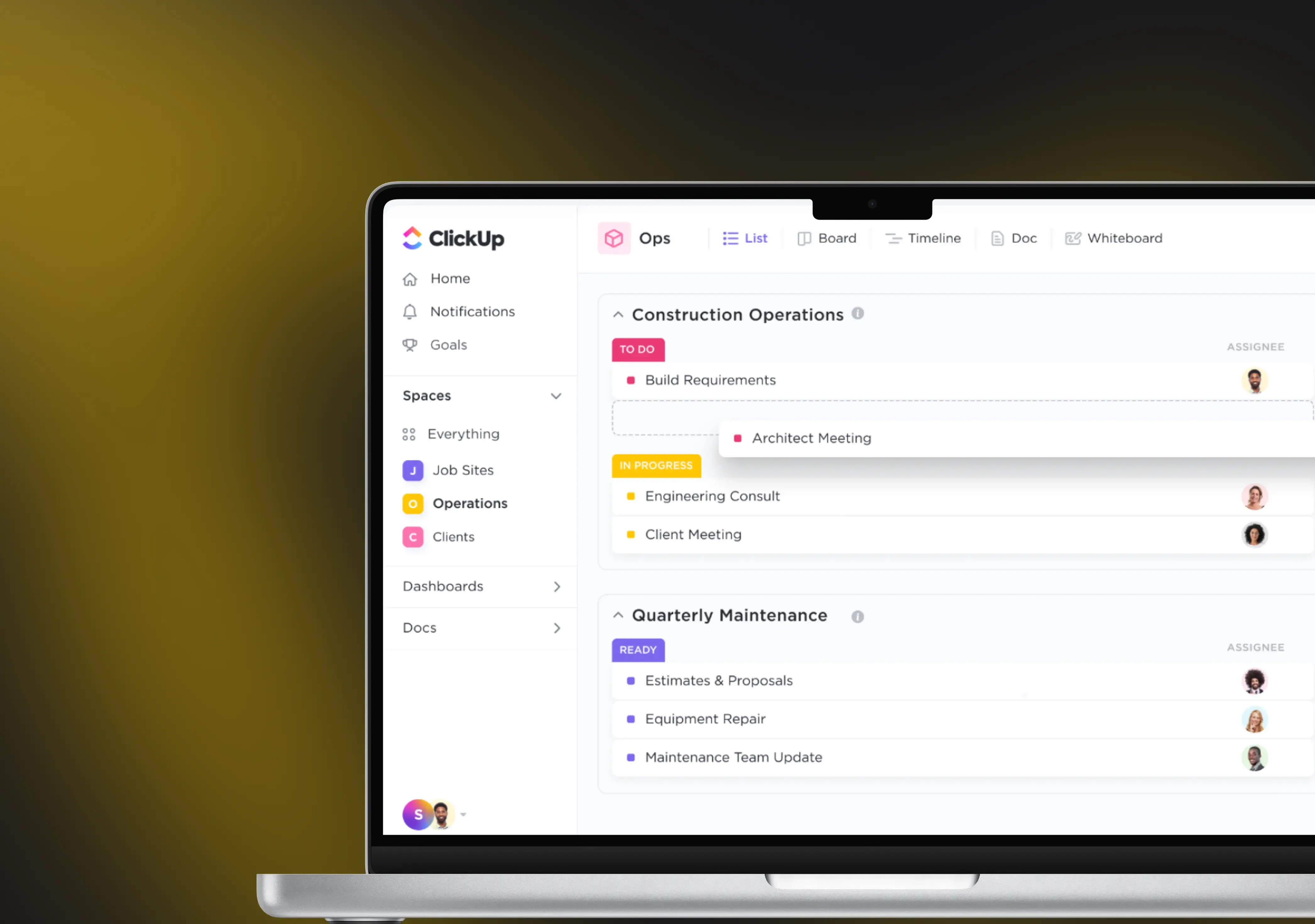
It is a centralized platform with a built-in dashboard and tools for data gathering and analysis, explicitly designed to enhance task and project estimations in construction, reducing mistakes and miscalculations. Additionally, it features a built-in AI assistant that can process gathered data and assist with planning and analysis.
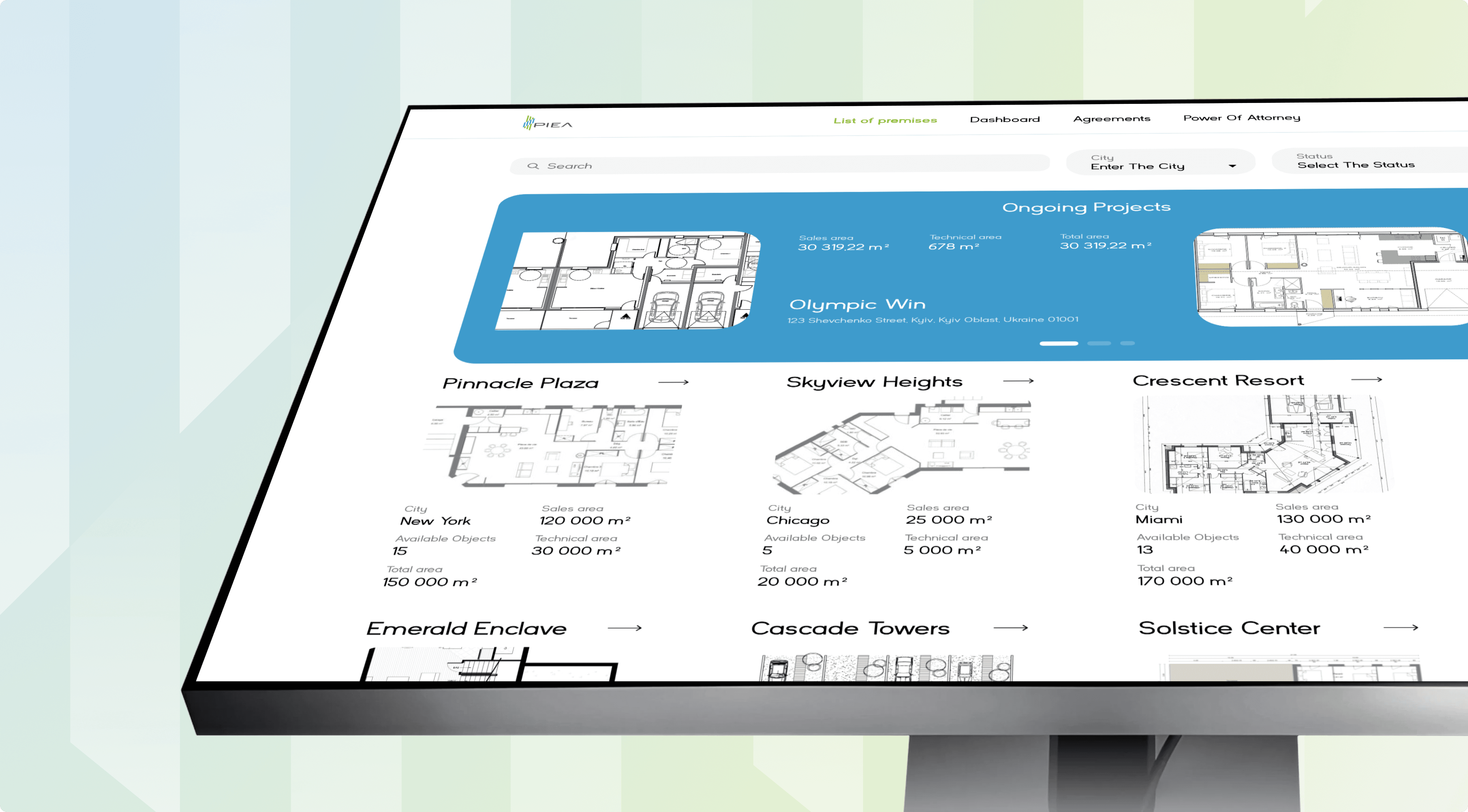
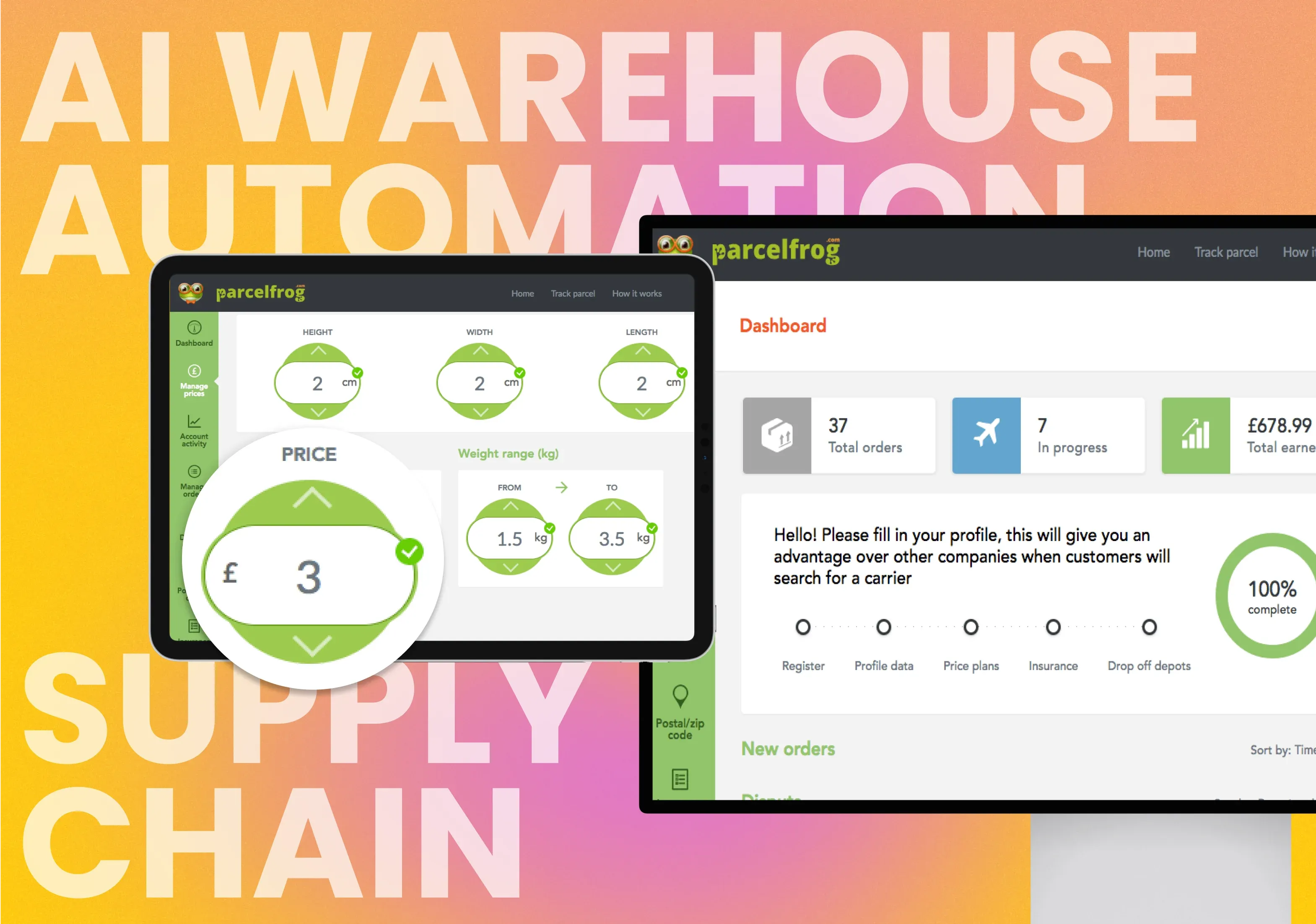
We optimized a construction company's ERP system by restructuring its architecture and enhanced its efficiency by integrating an AI module to streamline different operations.
At this stage, we focus on understanding business goals, target users, and platform requirements. Technical assumptions are validated, risks are identified, and the scope is defined to ensure the hybrid app focuses on essential functionality without unnecessary complexity.
We design hybrid application architecture and user experience with scalability and maintainability in mind. Technical decisions balance performance and long-term flexibility, while UX focuses on consistency, usability, and native-like behavior across devices.
The application is built through iterative development cycles focused on delivering working features early. This approach enables continuous testing and refinement while maintaining a shared codebase for Android and iOS platforms.
Before release, the hybrid application is tested to ensure stability, security, and consistent behavior across devices and operating systems. Launch activities are planned to minimize risk and ensure readiness for real users.
After launch, real user behavior and performance data guide further development. The hybrid application evolves through controlled iterations, supporting new features, optimizations, and scaling without major rework.
Incora is an experienced hybrid mobile app development company that helps teams build reliable cross-platform applications from a single codebase. We combine technical discipline with practical delivery, ensuring hybrid apps perform consistently across platforms and remain scalable over time.
100+
Experts to choose from10+
Years of experience70+
Projects successfully delivered20+
Niche-experienced developersThere are some of the frequently asked questions.
As a hybrid app development company, we build a wide range of mobile solutions, including customer-facing apps, internal business tools, enterprise platforms, and cross-platform products. Our Hybrid App Development Services support applications that need to work consistently across iOS and Android while sharing a single codebase. This approach is suitable for products that require faster delivery, easier maintenance, and predictable performance across devices.
The cost of hybrid mobile application development depends on feature scope, integrations, platform requirements, and delivery model. Using hybrid mobile app development services often reduces overall cost by eliminating the need to maintain separate native codebases. We define scope early and deliver in stages, helping teams control budgets while maintaining flexibility for future enhancements.
Yes. We help migrate existing native applications to hybrid architectures by assessing current functionality, identifying reusable components, and redesigning areas that benefit from cross-platform delivery. This transition enables single codebase mobile apps while preserving essential features and ensuring consistent behavior across different platforms. Migration is handled incrementally to reduce risk and avoid disruption.
Hybrid app development timelines vary based on complexity, integrations, and testing requirements. In most cases, projects take 8–14 weeks, covering planning, design, development, testing, and release. This timeframe allows teams to deliver stable cross-platform applications without sacrificing performance or future scalability.
Hybrid development is well-suited for teams that need to launch quickly, manage costs, and reach users across multiple platforms simultaneously. Supporting Android and iOS app development from a single codebase allows faster iteration and easier maintenance. This makes hybrid apps a practical choice for validating ideas and evolving products without committing to multiple native builds.
On our blog we share tips, tricks, hacks and insights on the business and tech industry to get you integrated into the software development environment. Head over to our blog to find the insights for your business.
Construction
AI Compliance Agent for Construction: Automating HSE and Regulatory Compliance
Construction
From 10 to 2 Hours: How Conversational AI Agents Transform Construction Report Generation
HR Automation: How to Improve Employee Management and Tracking Systems With the Use of AI
Construction
How to Automate Construction Project Data Processing to Mitigate Predictive Analytics Challenges
Let's discover which technologies will make your idea great.
This site uses cookies to improve your user experience. Read our Privacy Policy
Accept