

Tech Consulting
Backend Development
Frontend Development
UI/UX Design
Software QA & Testing
DevOps Services
AI Agents
AI Voice Agents
Agentic Automation
Legacy Modernization
Cross-Platform Apps
Custom Software Development
Legacy App Modernization
Saas Development
Business Process Automation
Startup Development
Rapid Product Development For Startups To Scale Quickly
Al & Emerging
Al, Voice, And Blockchain Solutions
Team Extension
Dedicated Team
Real Estate
Smart Home Systems And
Property Management
Fintech
Booking Systems
Construction
Management Systems
Delivery & Shipping
Manufacturing
Supply Chain
Energy
Healthcare
Edutech
IT Tools
React.Js Developers
Three.Js Developers
Next.Js Developers
JavaScript Developers
Vue.Js Developers
Redux Developers
Angular Developers
Node.Js Developers
GoLang Developers
Full Stack Developers
Python Developers
NestJS Developers
Flask Developers
Express.Js Developers
Django Developers
MERN Stack Developers
AWS Developers
DevOps Engineers
Azure Developers
Google Cloud Developers
Cloud Engineers
Data Engineers
Data Pipelines And Warehouse Design
WebRTC Developers
QA Engineers
Offshore Developers
ERP Developers
Saas Developers
Hire NestJS Developers


Hire NestJS Developers for Production APIs
Hire NestJS developers who match your backend from day one — by TypeScript depth, the systems they've shipped, and the seniority your team needs. You share your architecture, data model, and timeline; the first pre-screened profile reaches you within 48 hours, with their real project history attached. We cover the full backend scope: REST and GraphQL APIs, module architecture, microservice boundaries, message queues, and the database layer underneath. We handle sourcing, technical evaluation, and onboarding, so your engineer ships in the first sprint.
Why Teams Hire NestJS Developers From Us?
34
21
48
4+
5
Need a NestJS Team, Not Just One Developer?
NestJS Architecture Decisions We Make on Day One
01How Incora engineers organize a NestJS codebase so it scales without a rewrite: where a module ends, when it becomes a microservice, and how the repo is laid out from day one.
Project Structure and Module Boundaries
- Nx monorepo — one source of truth for DTOs and contracts, atomic changes across services
- Modular architecture — one bounded context per module behind a narrow provider surface
- Microservices — split out only on independent scaling, a separate store, or its own lifecycle
- NestJS — the module and DI system that enforces these boundaries
- TypeScript — shared types across every service, so contracts stay in sync
02How Incora engineers keep throughput up under load and pick the data layer on query shape rather than habit — the part that decides whether the backend holds when production gets busy.
Performance, Data, and ORM Choice
- DI scopes (DEFAULT / REQUEST / TRANSIENT) — singleton by default, REQUEST scope isolated so it doesn't drain throughput
- Prisma — a fully typed query layer with clean migrations
- TypeORM — decorator-driven entities tied to Nest's DI, for fine control over complex queries
- Drizzle — SQL-first queries with zero runtime overhead and full type inference
- PostgreSQL / MongoDB / Redis — relational, document and cache layers, matched to the workload
03How Incora engineers handle everything crossing the system boundary — service-to-service traffic, background work, and the inputs users send in.
APIs, Queues, and Validation
- REST and GraphQL — schema-first API contracts, predictable between services and clients
- gRPC / RabbitMQ / Kafka — inter-service communication and message brokering for distributed NestJS systems
- BullMQ on Redis — retries, rate-limited jobs and scheduled work with idempotent handlers
- class-validator + Zod pipe — every input validated at the edge, schema and type from one definition
- Docker / AWS — containerized, production-ready deployment
Meet the NestJS Engineers Available Now
Not sure who's the right fit?

Node.js / NestJS Engineer

Full-Stack TypeScript Engineer

Node.js Developer

Express.js Engineer

Event-Driven Engineer

AWS Cloud Engineer

Tech Lead / Software Architect

Realtime Systems Engineer

SaaS Product Engineer
Not sure who's the right fit?
NestJS vs Express vs Fastify: When Nest Is the Wrong Choice
When to Reach for Express
When to Reach for Fastify
Where Nest Becomes Overhead
How We Help You Choose
NestJS Projects We've Delivered
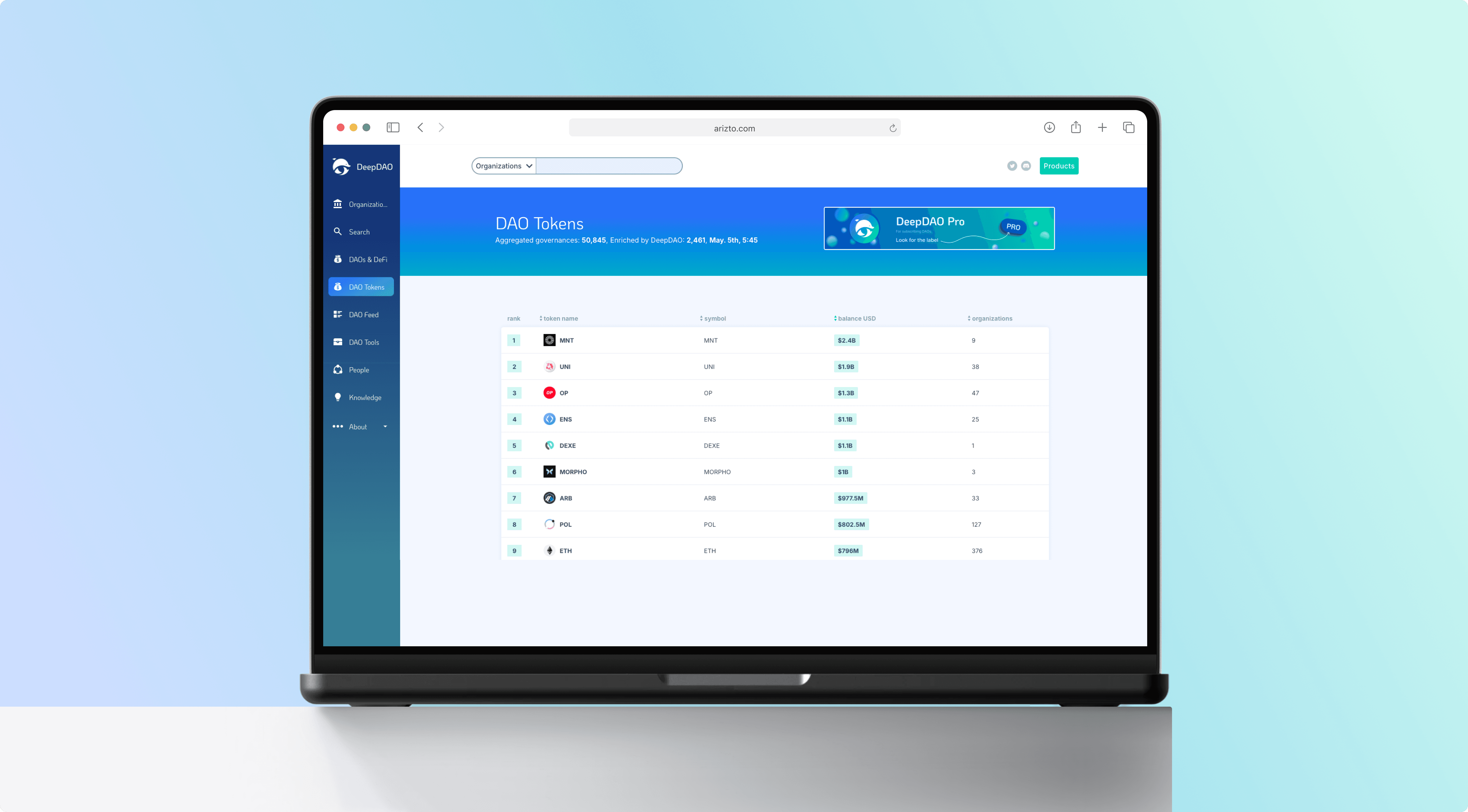
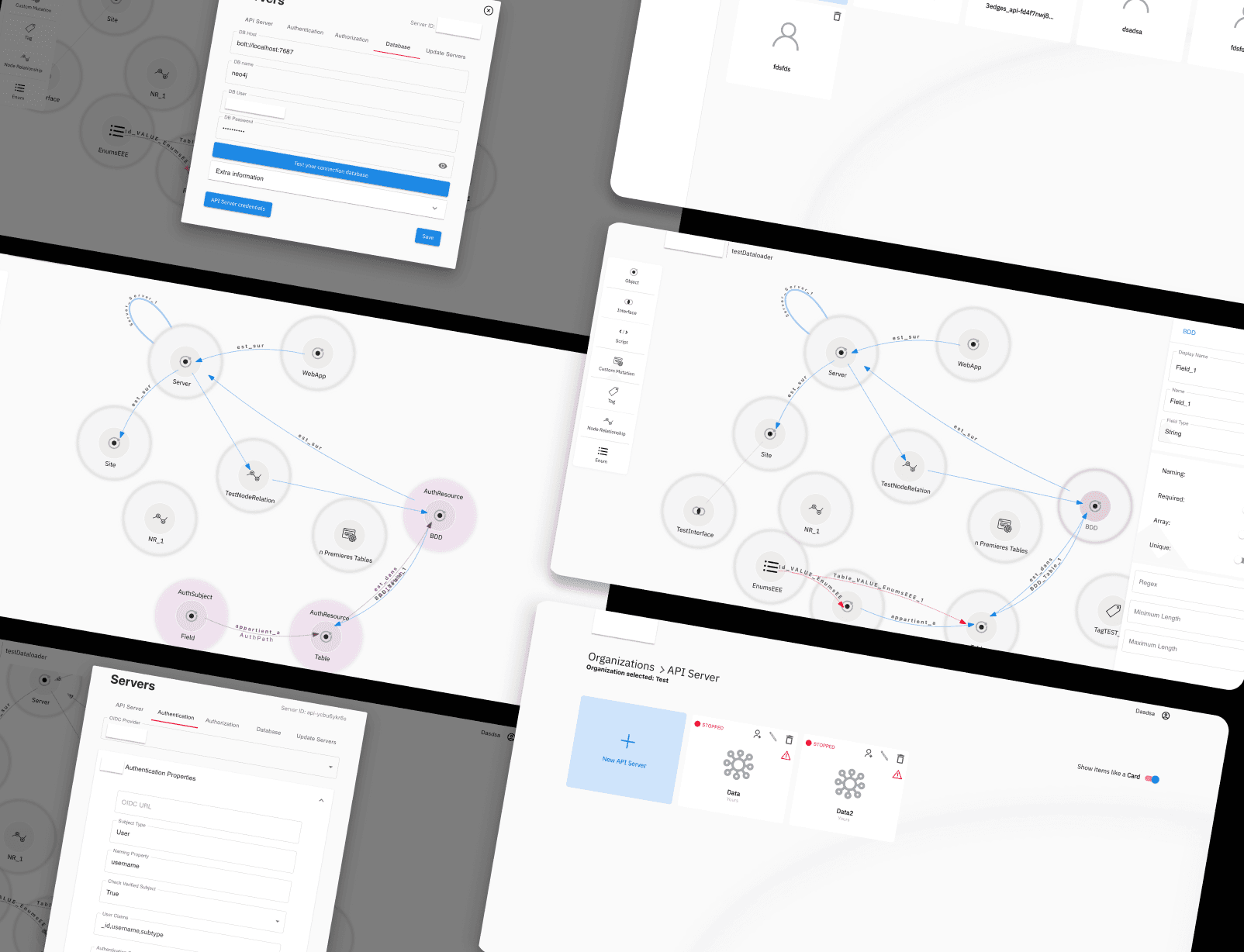
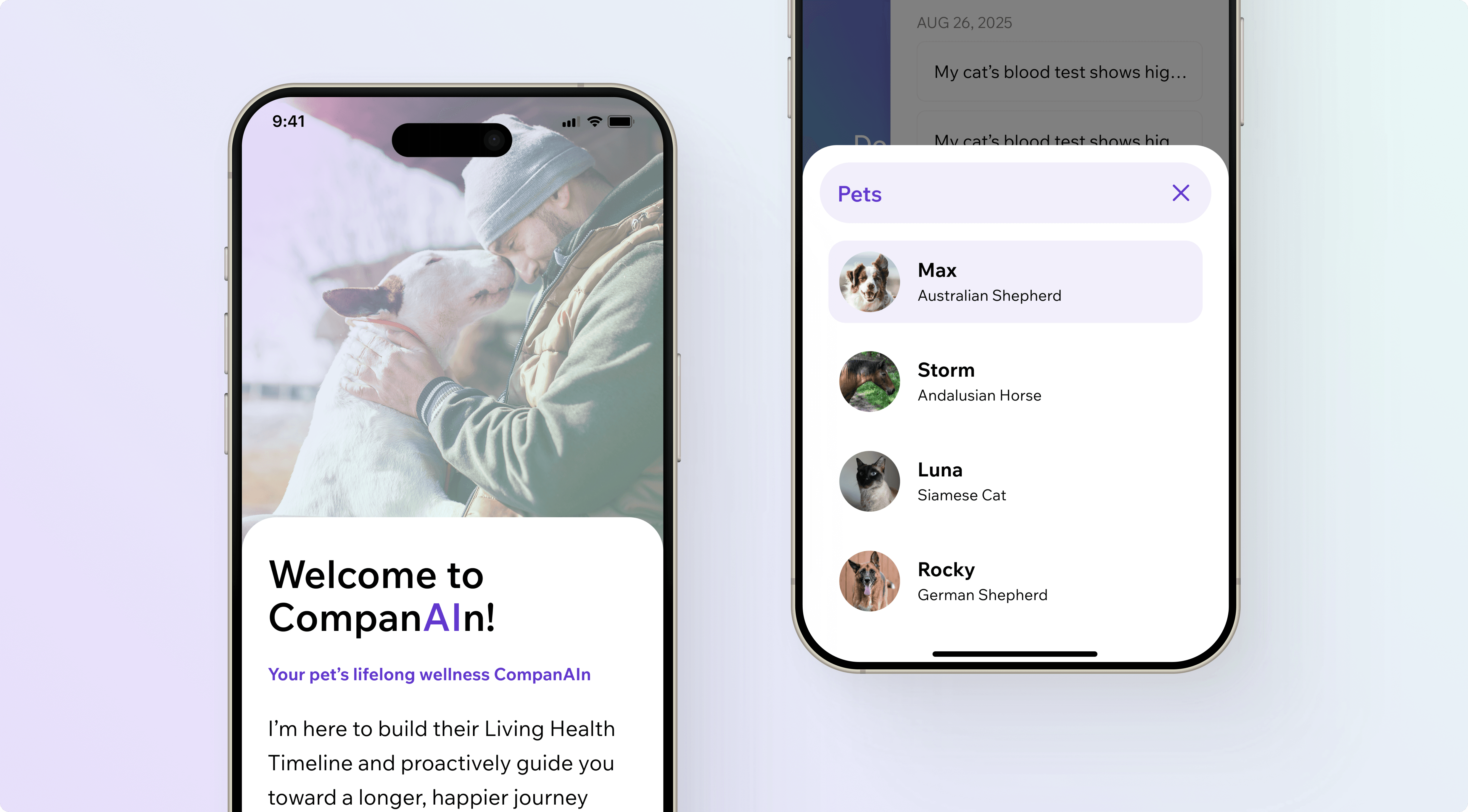
Additional Services to Enhance Your NestJS Applications
Node.js Ecosystem & Backend Frameworks
Backend Architecture & APIs
Product Development & Scaling
How We Vet NestJS Developers
Step 01We map your architecture and the exact NestJS scope before sourcing, so profiles match on the first pass.
Defining Backend Architecture and Requirements
- Architecture requirements document
- Module and API scope mapping
- Seniority and domain alignment
- Engagement model recommendation
Step 02We filter Incora's vetted pool by production NestJS work and TypeScript depth. Around 24 candidates get reviewed per open position.
Screening the Pool by Real Experience
- 24 candidates reviewed per role
- Production NestJS experience required
- TypeScript depth check
- Portfolio and GitHub review
Step 03A live technical session built around real backend problems, not framework trivia questions.
Technical Evaluation of NestJS and TypeScript Skills
- Module and boundary design task
- DI scope decision (DEFAULT / REQUEST / TRANSIENT)
- Queue and retry handling on BullMQ
- Live TypeScript coding session
Step 04You interview a shortlist that has already passed a 3.5% technical filter, with a full evaluation summary per candidate.
Client Interview and Technical Alignment
- 3.5% technical pass rate
- Evaluation summary per candidate
- Reference check on request
- Final selection support
Step 05The engineer onboards in 3–5 days, and a vetted replacement lands within 5 business days if a fit ever changes.
Onboarding and Delivery Monitoring
- Onboarding in 3–5 days
- 5-day replacement guarantee
- 90%+ placement retention
- Escalation support included
FAQ About Hiring NestJS Developers
How do I hire NestJS developers?
Within 48 hours of sharing your architecture, stack and timeline, you get pre-screened profiles with real project history. You interview the shortlist while we handle scheduling, and the chosen engineer onboards in 3–5 days. Every candidate has cleared a 4-stage technical screening, so you hire NestJS developers who are production-ready from day one.
Where are the best places and platforms to hire NestJS developers?
Upwork, Toptal and Arc are the go-to platforms, and they work well for short, self-managed tasks. Nest.JS developers for hire through an agency like Incora fit when you need a vetted engineer or a full team, a replacement guarantee, and someone who owns delivery. For a one-off 20-hour job, a marketplace is often the better call.
How much does it cost to hire a NestJS developer?
Staff augmentation starts from $5,000 a month, with the rate set by seniority, engagement model and timezone overlap. You see each engineer's rate before you commit, so the budget stays clear from the first shortlist. When you hire a NestJS developer with Incora, managed teams and full projects scale from there.
NestJS vs Express — which should we pick for a new API?
Pick NestJS when several engineers will share the codebase and you want enforced structure — modules, DI and TypeScript conventions built in. Express suits a small service where you want full control and minimal opinion. Teams that hire a NestJS expert get a stack recommendation only where the complexity earns it.
Can I hire a NestJS team instead of one developer?
Yes — a typical team is 2 backend engineers, a backend lead and a QA, live inside two weeks. You set product direction while we handle technical coordination and delivery. Many clients hire Nest.js developers one at a time first, then scale to a full team as scope grows.
Check Out These Related Reads!



Book a call or send us a message
Got an idea in mind? Drop us a line and we’ll turn the vision into reality with the custom approach!


Anastasiia Pryshliak
Senior Partnerships Manager
Just pick a time. No forms.
30 minGoogle MeetNo commitment