Legacy Application Modernization Services help businesses transform outdated, rigid software into scalable, secure, and future-ready systems. At Incora, we modernize legacy applications without disrupting operations — reducing technical debt, improving performance, and enabling long-term growth through modern architectures, cloud platforms, and intelligent automation.
Our legacy application modernization services address both technical limitations and business constraints. We don’t simply replace outdated systems. We enhance how your software supports daily operations, long-term scalability, and evolving business requirements.
Legacy application modernization is complex and risky without a clear structure and ownership. Incora delivers legacy modernization services designed to reduce uncertainty around timelines, costs, and system stability through controlled, transparent modernization processes.
Hidden dependencies, undocumented logic, and outdated architecture make planning modernization risky.
weeks for a structured assessment. Our engineers analyze architecture, dependencies, and risks to produce a clear modernization roadmap with defined scope, and timelines.
Modernizing legacy systems often disrupts active operations, leading to downtime, data issues that businesses cannot afford.
of our modernization projects are delivered incrementally through phased execution, keeping systems operational while individual components are modernized safely.
Legacy modernization projects often expand beyond their original scope, leading to unexpected costs and delayed delivery.
of milestones are undefined, and a lack of cost transparency. Incora sets fixed stages, clear deliverables, and budget checkpoints to control scope and prevent cost overruns.
Outdated systems often cannot integrate with cloud platforms, APIs, or modern third-party tools, limiting automation and scalability.
API-first modernization ensures systems are redesigned with integration-ready architecture, enabling seamless connection to cloud services, internal platforms, and external tools.
Internal teams often lack experience in maintaining or evolving modernized systems after delivery.
documentation and knowledge transfer. We provide complete technical documentation and handover sessions, with optional long-term support to ensure systems remain stable.
Decision-makers hesitate to modernize due to unclear timelines, benefits, and return on investment.
for measurable results. Most clients see early improvements in performance, stability, or maintenance effort within the first 8–12 weeks, reducing risk and validating decisions.
Legacy application modernization services become critical when existing systems begin to limit growth, increase operational risk, or slow teams down rather than support business goals.
Legacy systems often require constant fixes, specialized skills, and outdated infrastructure. Over time, maintenance and support costs grow disproportionately, diverting budgets from innovation and making the system more expensive to keep than to modernize.
Outdated architectures struggle to handle growing data volumes, user loads, and new functionality. Poor performance, frequent downtime, and limited scalability directly affect productivity, customer experience, and the ability to support business growth.
Legacy systems are often incompatible with modern APIs, cloud platforms, and AI tools. This limits automation, data exchange, and digital transformation initiatives, forcing teams to rely on manual processes or costly workarounds.
Modernizing legacy systems requires deep experience across architecture, infrastructure, security, and data management. Our engineers specialize in legacy system modernization projects across industries and technology stacks, helping businesses upgrade critical systems while maintaining stability, security, and continuity of day-to-day operations.
Please, select your warriors:


Your current team consists of 0 member:
Please drag & drop team members you want to hire
We apply different legacy application modernization approaches depending on system complexity, business risk, timelines, and long-term goals. Each method is selected to balance speed, cost, and technical impact.
Quick migration to cloud infrastructure with minimal code changes. This approach reduces infrastructure costs and improves reliability quickly while preserving existing functionality and minimizing operational disruption.
Optimizing legacy systems to leverage modern platforms without full redesign. It improves performance, scalability, and maintainability without requiring a complete redesign of the application architecture.
Improving code structure and performance while preserving functionality. This approach enhances performance, security, and maintainability, reduces technical debt, and prepares legacy systems for future integrations and updates.
Redesigning system architecture to support scalability, resilience, and modern integrations. It enables deeper transformation, making legacy systems compatible with cloud-native technologies and evolving business demands.
Replacing outdated software with modern solutions while preserving core business logic. This approach is used when legacy systems are too rigid or costly to maintain, allowing full modernization with long-term flexibility.
Our legacy application modernization services support industry-specific requirements, workflows, and regulatory standards. We account for compliance, data security, operational constraints, and domain logic to ensure modernized systems remain reliable, compliant, and practical for real-world use.
Upgrading outdated CRM and property management systems to improve performance, data consistency, and integration with modern analytics and communication tools.
Modernizing legacy reporting tools to enable faster insights, improved portfolio visibility, and more reliable forecasting based on consolidated data sources.
Refactoring legacy workflows for listings, approvals, and contracts to reduce manual work, improve accuracy, and support scalable real estate operations.
Modernizing client and vendor portals to improve system stability, security, and data exchange across leasing, sales, and property management processes.
Our application modernization services deliver real, production-ready systems rather than experimental prototypes. We modernize enterprise platforms, internal tools, data systems, and customer-facing applications, tailoring each solution to business workflows, users, and long-term strategy.
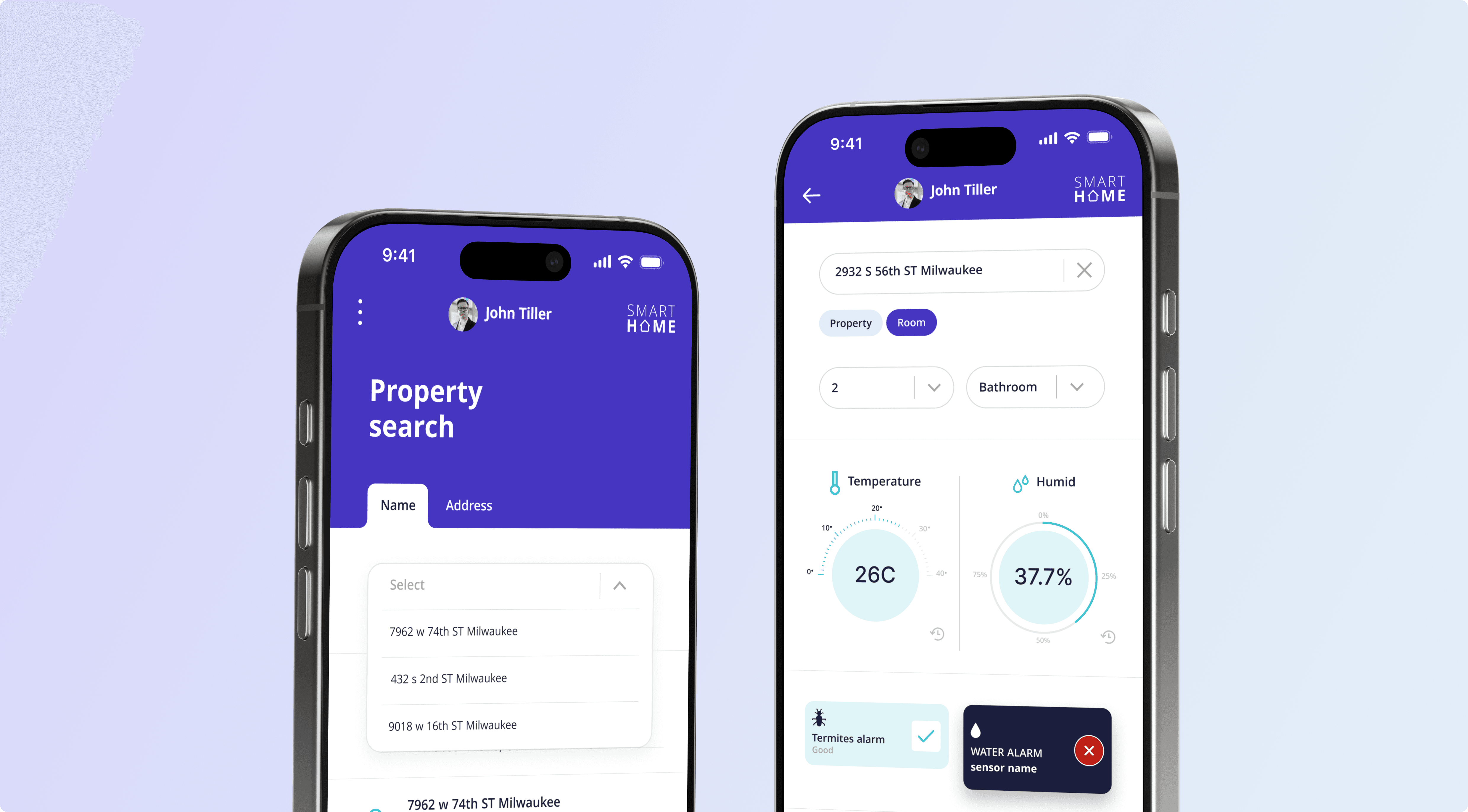
A software-driven solution for real estate agents and homeowners that offers digitalization of their property management. It is also related to Internet-of-Things, combining hardware and software solutions in a user-friendly and centralized manner.
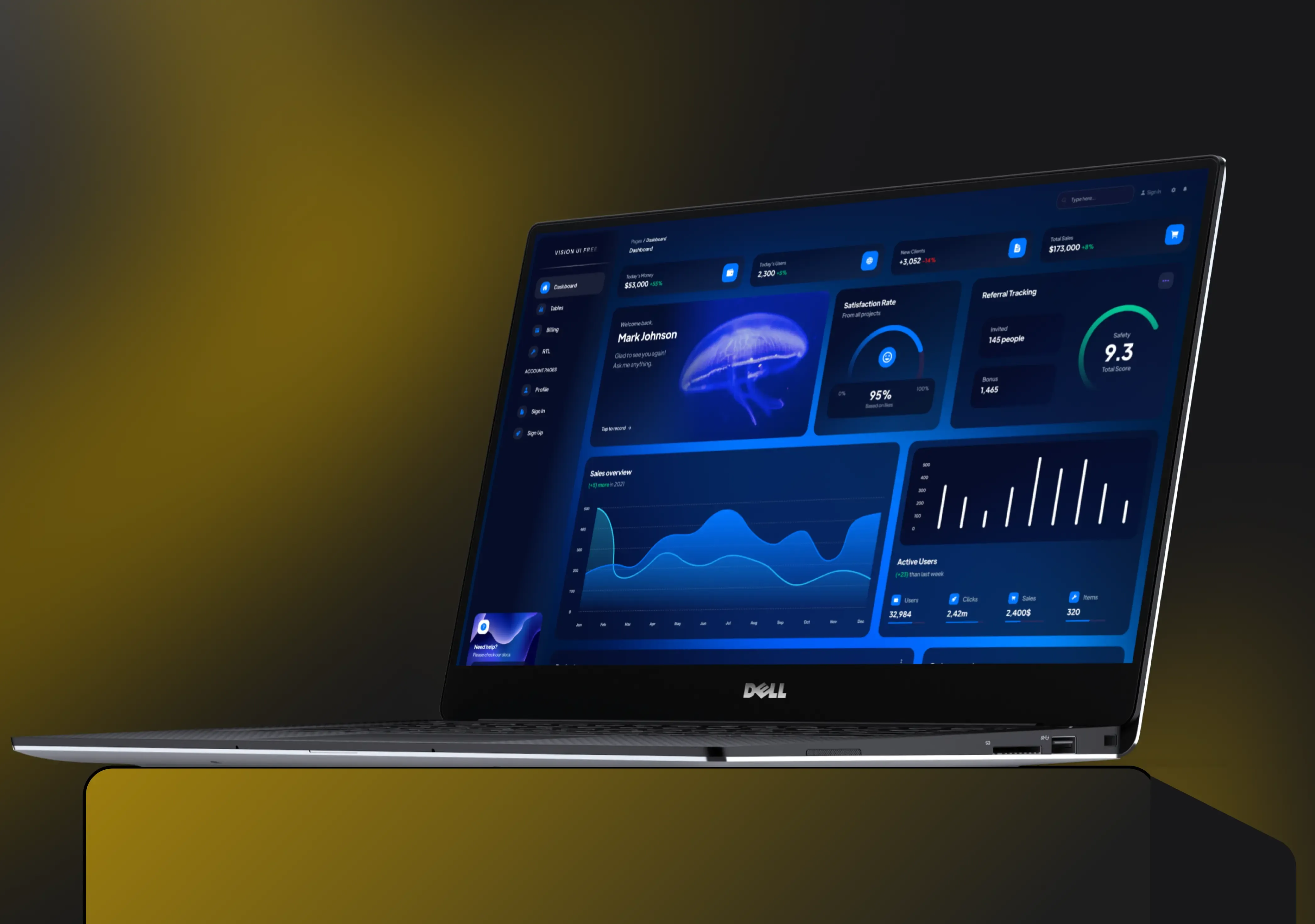
It is a cloud-based service that enables the testing and monitoring of real-time communications, allowing developers and QA teams to evaluate the performance, scalability, and reliability of RTC.
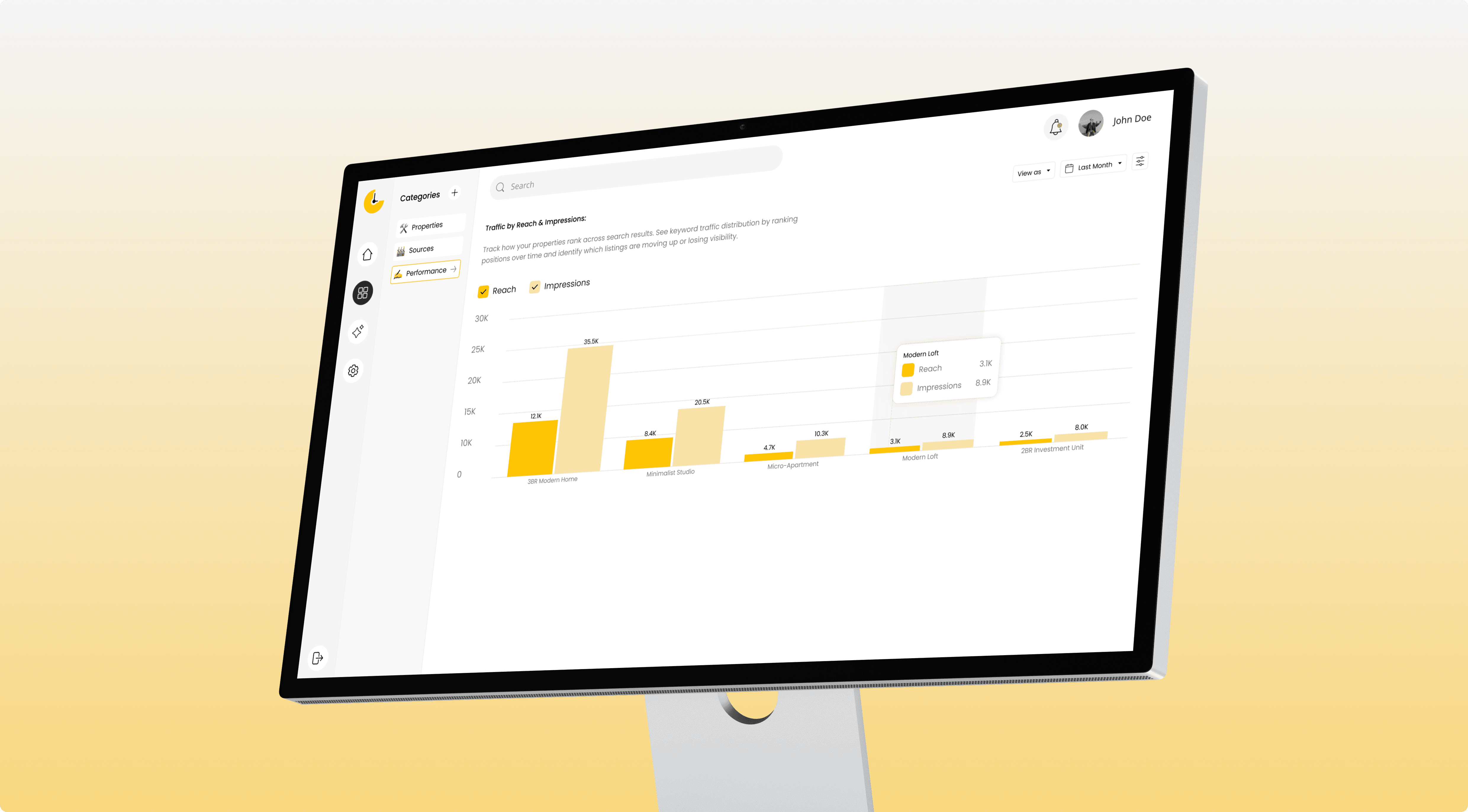
This is a custom-built centralized platform for marketing management in the real estate industry, providing users with CRM services and other valuable features, including marketing process automation.
Comprehensive assessment of your legacy application, focusing on architecture, dependencies, data flows, performance bottlenecks, and operational risks. Through stakeholder interviews and technical audits, we identify modernization priorities, constraints, and realistic transformation paths.
We design a future-ready architecture that supports scalability, security, and maintainability. This phase may include modularization, API design, data ownership definition, and preparation for cloud migration or re-architecting code where bigger structural changes are required.
We modernize legacy applications incrementally, applying refactoring, replatforming, or re-architecting in line with the agreed strategy. Development follows controlled iterations with continuous integration, peer reviews, and documentation to ensure stability and traceability.
Quality assurance is embedded throughout the modernization process. We validate functionality, performance, security, and data integrity to ensure modernized components integrate seamlessly with existing systems and meet operational requirements.
After implementation, we analyze system behavior to identify performance bottlenecks and optimization opportunities. This includes improving response times, resource usage, and system reliability while ensuring a consistent user experience across environments.
We manage controlled deployment with minimal downtime, ensuring a smooth transition to production. Post-launch, we provide monitoring, maintenance, and continuous improvement to keep modernized systems stable, secure, and adaptable to future needs.
Incora delivers enterprise-grade modernization services with full-cycle expertise, modern UI/UX engineering, and performance-driven execution.
100+
Experts to choose from10+
Years of experience70+
Projects successfully delivered20+
Niche-experienced developersThere are some of the frequently asked questions.
Legacy system modernization, also known as IT legacy modernization, is the process of improving outdated software to meet current technical, security, and business requirements. This may involve updating architecture, refactoring code, migrating infrastructure to the cloud, improving integrations, or redesigning user interfaces. The objective is not only to extend system lifespan, but also to reduce technical debt, improve performance, and ensure compatibility with modern tools and platforms.
Common legacy application modernization approaches include rehosting, replatforming, refactoring, re-architecting, and rebuilding. Each method varies in cost, risk, and depth of change. The right approach depends on factors such as system complexity, existing technical debt, business criticality, available budget, and the level of flexibility required for future scaling or integrations.
The timeline for application modernization depends on the system’s size, architecture, dependencies, and the chosen modernization strategy. Smaller or well-isolated systems can be updated within a few months, while complex, business-critical platforms are often modernized gradually over 6–12 months. Phased implementation helps reduce risk, avoid downtime, and maintain operational continuity.
Getting started typically begins with a technical and business assessment of the existing system. This includes reviewing architecture, dependencies, data flows, performance bottlenecks, and security risks. Based on the findings, a modernization roadmap is created that defines priorities, scope, timelines, and the most appropriate approach, allowing organizations to move forward with clarity and controlled risk.
The cost of legacy application modernization services depends on system complexity, modernization scope, and the selected approach. Incremental modernization usually requires lower upfront investment, while full system transformation involves higher costs spread across multiple phases. In many cases, modernization leads to long-term savings through reduced maintenance, improved efficiency, and lower operational risk.
On our blog we share tips, tricks, hacks and insights on the business and tech industry to get you integrated into the software development environment. Head over to our blog to find the insights for your business.
Construction
AI Compliance Agent for Construction: Automating HSE and Regulatory Compliance
Let's discover which technologies will make your idea great.
This site uses cookies to improve your user experience. Read our Privacy Policy
Accept