

Invoice and PO matching
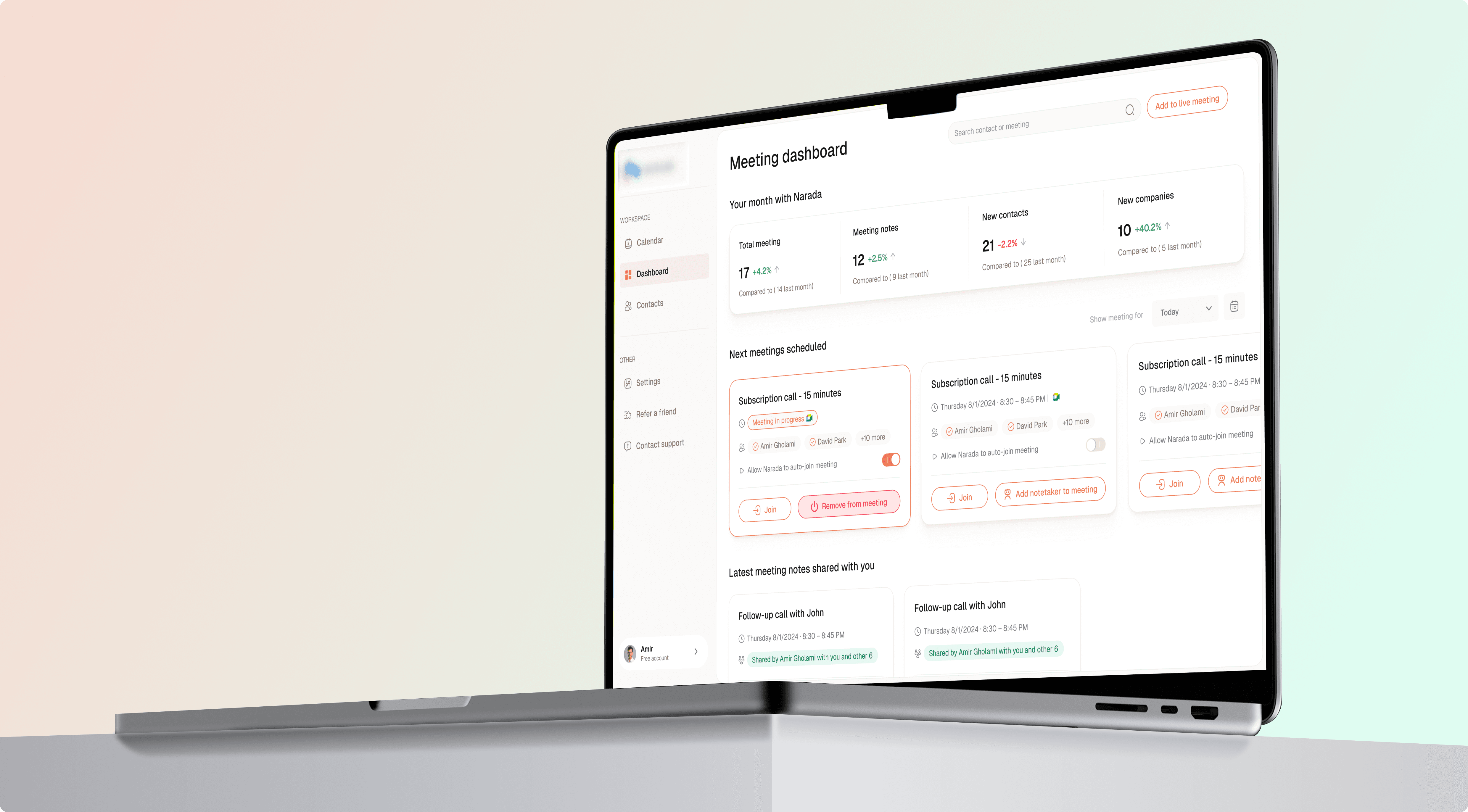
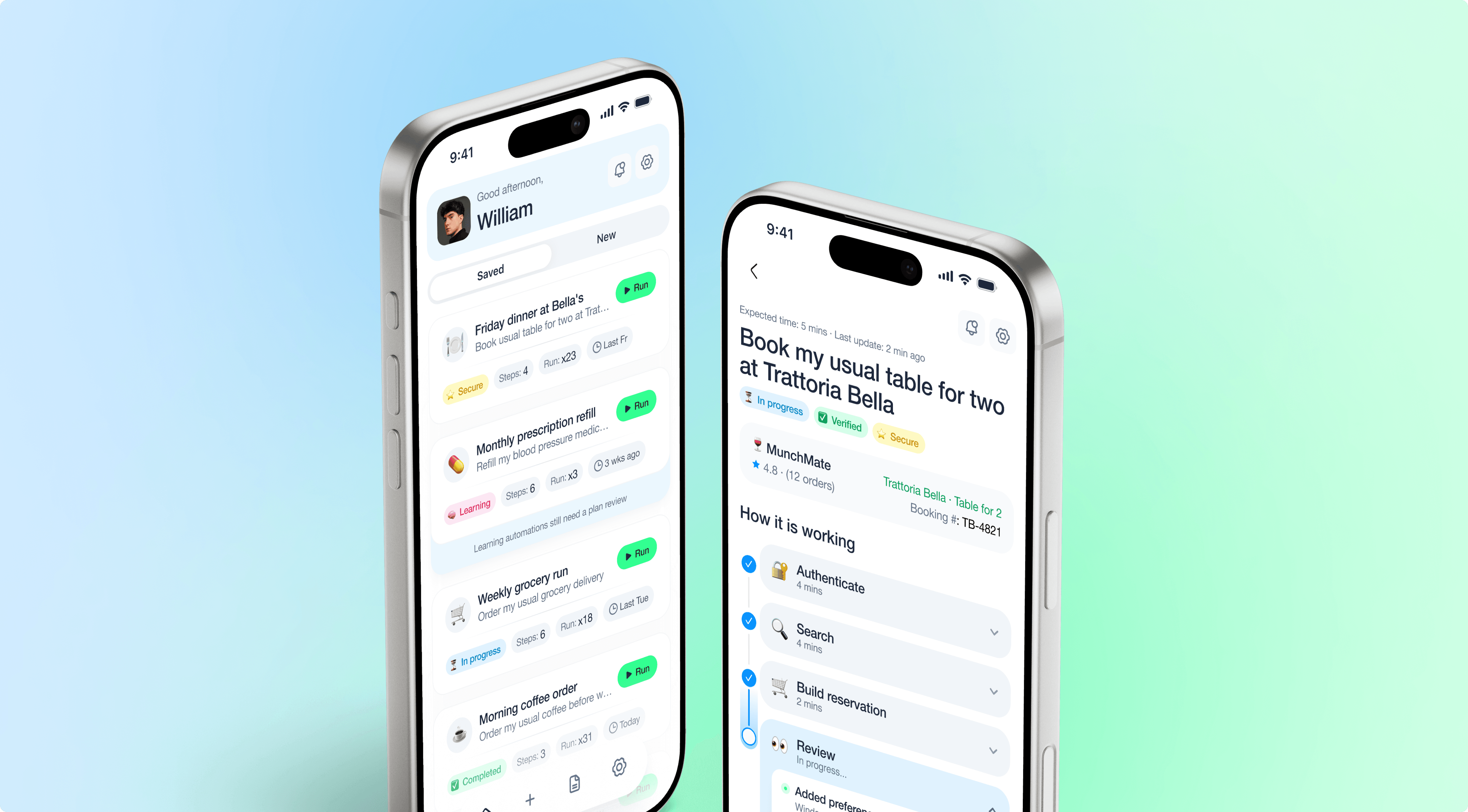
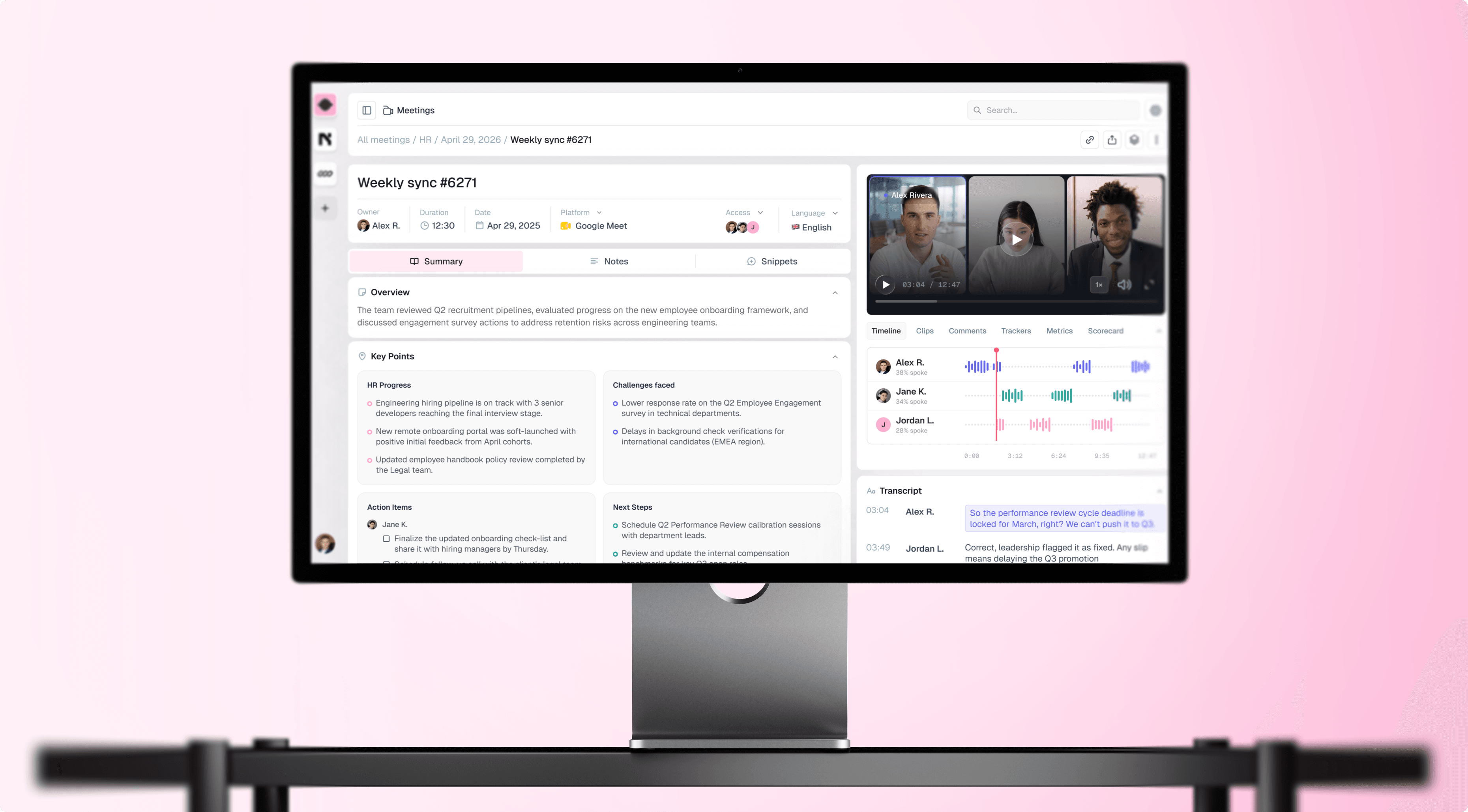
An agent reads invoices, matches them with purchase orders, and processes the ones that match.
Our agentic AI workflow automation services cover everything from checking whether a process is a good fit for an agent to building, integrating, and monitoring the final solution. Start with one service or cover the full workflow.
Agentic workflow automation is especially useful for high-volume processes with clear business rules and work that moves between several people or systems. Here are some common use cases.
An agent reads invoices, matches them with purchase orders, and processes the ones that match.
Agents compare bank and ledger statements and flag the entries that need a closer look.
Agents automatically route payment and expense requests to the right people, with reminders when approvals are still pending.
An agent collects data from different systems and prepares a draft close report for the finance team to review.
Leo Kudryavtsev
Founder & Principal Solution Architect, Softrange TechnologyAbdulrahman Aql
PMO Manager at TarmeezIncora’s team is easy to communicate with and produces high-quality work. They’re also proactive and suggest good solutions for the product. It’s clear they want to make the product better and care about the quality of their work.
Daniel Bosch
Co-Founder, CampcruisersWhat really stood out was how flexible they were when our priorities changed. Whether we needed to shift focus or tackle something tricky, like the complex payment integration, they easily handled it. They kept communication clear and open, and their commitment to helping us meet both technical needs and business goals made a huge difference for us.
David Park
CEO & Co-Founder, Narada AIOnce we showed designs (e.g. Figma) of what we needed, along with aggressive deadlines, Incora always delivered on time and in many cases when above and beyond to build beautiful, robust UI interfaces for us. In addition to the high skill level of their engineers, I am very impressed with how personable and kind every employee, including their leadership, is. Their values and professionalism stand out, and they make it easy to partner with and communicate with them!
Dhaval Bhatt
Co-founder of SquiblerIncora has been fantastic to work with. I find them very professional, ethical, and, responsible. I’ve worked with many developers, but Team Incora has been outstanding. This team understands what you need and what you want, and delivers on both fronts very effectively. Highly recommend working with them if you get a chance…
Fred Macedo
Head of Engineering, AriztoIncora has been great at understanding our company and the work we want to do. They took the time to understand who we were and didn’t rush or make suggestions that didn’t make sense. They keep delivering what they promise and are very helpful and easy to work with — there haven't been any complications. I don't think there's anything they can improve on — they’re getting better and better over time. Just tell them what you want, and they'll try to work around your expectations.
Oleg Koval
CEO & Owner, Web4YouThey met all deadlines, were easy to work with, and quickly adapted when we needed changes to the scope. Two things were the most impressive: their technical skills and their communication. They kept us informed at every stage, so we never felt out of the loop. That kind of transparency is rare in dev teams.
A common example is invoice processing: an agent reads a new invoice, matches it to the purchase order, posts the ones that agree, and sends only the mismatches to a person. It runs end to end on its own and pauses just for the exceptions. What makes it agentic is that the agent decides which invoices are clean and which need a human, rather than applying one rigid rule to all of them.
This is agentic AI for workflow automation at its simplest: one clear job from start to finish with a human on standby. The same shape fits employee onboarding, refund approvals, and recurring report prep. In each case, the agent handles the routine 80 percent and escalates the tricky 20 percent, which is where the hours actually go.
Workflow automation follows a fixed script and stops when anything unexpected appears, while agentic AI reasons about the goal and picks the next step itself. One repeats instructions; the other makes decisions inside limits you set. A quick test: give a script an invoice in a layout it has never seen, and it fails, while an agent reads the new layout, pulls the fields, and asks a person only when it is unsure.
In practice, agentic workflow automation handles the exceptions a script would fail on, while you keep the boundaries and the final say on anything sensitive. That is what lets it run messy, real-world processes that break rigid rules. It also means one agent can replace a dozen brittle scripts, each covering a single edge case.
You build it in four steps: pick one process, define what the agent may do alone, connect it to the right systems, and test it hard before go-live. Starting with a single process keeps the first agent cheap to prove and easy to trust. Our AI agent developers then widen the scope one safe step at a time, adding evaluation and human-in-the-loop checks at every stage.
When a process needs several agents, we add agentic AI workflow orchestration so they hand off work in order, each doing a narrow job we can test. Because this sits next to our software consulting, one team handles the strategy and the build, and the plan is shaped around your process instead of a template we reuse for everyone.
There is no single price, because cost tracks the size of the job. A small pilot that turns one workflow into a working agent sits at the low end, and a full production build with several workflows and deep integrations sits much higher.
The two things that move the number most are how many systems the agent touches and how much human sign-off it needs. We keep the first step small on purpose: a short audit to find the process worth automating, then one agent to prove it on real data before you spend more.
From there, each phase earns the next, so agentic AI workflow automation scales with the value it returns rather than as one big upfront bet. We scope it to your budget, and you can buy it as part of our broader AI automation services.
A focused pilot usually reaches production in 6 to 12 weeks. The readiness audit and boundary work take a week or two, the build and integration take 3 to 6 weeks, and evaluation and a staged rollout take the rest. Deeper integrations and more approval gates push the timeline toward the upper end.
The fastest path is to keep the first agent narrow and expand once it has proven itself on real data. We would rather ship one reliable agent in 2 months and grow from there than promise ten at once and deliver none. Once the first is live, each additional agent is faster because the integrations and guardrails already exist.
Every agent runs within limits you set, with least-privilege access, full logging, and human sign-off for anything sensitive. Nothing acts beyond the boundary you approved, and every action is recorded so you can trace exactly what happened and why. High-impact steps, like moving money or emailing a customer, sit behind an explicit human approval gate.
For agentic AI workflow automation enterprise setups, we add role-based controls, audit trails, and an instant off switch, so security and compliance teams can see and halt any action in real time. You keep control of the decisions and hand off only the busywork. Access is scoped per system, so an agent that reads your ERP cannot suddenly start writing to your CRM.
Yes: agents connect to SAP, NetSuite, Salesforce, HubSpot, and in-house tools through your existing APIs with scoped permissions. Integration is the core of the work, since an agent is only useful when it can act in the systems you already run. For older systems without a clean API, we bridge through webhooks, database connectors, or a controlled automation layer.
Well-built AI agentic workflow automation reads and writes in those systems safely, with each connection limited to what its job requires and every action logged for review. We test every integration against your real data in a safe environment before the agent touches anything live, so the first production run is not the first real test.
Got an idea in mind? Drop us a line and we’ll turn the vision into reality with the custom approach!