

Hire
Hire Redux Developers
Incora matches companies with Redux engineers who have real production state architecture experience. When you hire Redux developers through us, you get a pre-screened profile matched to your stack, seniority requirements, and timeline.
Hire Redux Developers for Custom Solutions
Incora covers the full range of Redux work, from greenfield RTK architecture to migrating legacy state logic into maintainable, testable patterns. Companies that hire Redux developers for long-term product work get engineers who own the store — not just complete tickets.
React Applications with Advanced State Management
Redux-powered React apps built for scale, with normalized state trees, selector optimization, and clean separation between component rendering and data management layers.Redux Toolkit-Based Development
Modern Redux implementation using RTK, createSlice, and createAsyncThunk to eliminate boilerplate, improve predictability, and keep the codebase maintainable as features grow.Custom State Management Architecture
Store structure, reducer composition, and middleware wiring designed from the ground up for your data model — matched to application complexity, not copied from a generic starter.Integration with APIs and Asynchronous Data Handling
Middleware-driven async flows connected to REST and GraphQL endpoints, with consistent loading, error, and success state handling applied across the entire application.Why Choose Incora to Hire Redux Developers?
Incora has placed Redux engineers on fintech dashboards, SaaS platforms, and data-intensive products where state management sits on the critical path. Here is what clients who hire Redux developers through Incora get in practice.
An unmaintained Redux store blocks every new feature cycle.
of Incora Redux engagements deliver refactored core state logic within the first 3-week sprint.
Open Redux roles stay unfilled for weeks on internal timelines.
hours average from requirements submission to a pre-screened shortlist when you hire Redux developers through Incora.
No clear ownership of the store structure leads to repeated regressions.
of Incora Redux engineers take direct accountability for their assigned modules from day one.
Fixed contracts block headcount adjustments mid-product cycle.
of clients who hire a dedicated Redux developer through Incora resize their team within 2 weeks when scope shifts.
New engineers ramp slowly when the store architecture is undocumented.
days average onboarding time for Incora Redux engineers joining active production codebases.
Tools and Technologies We Use
Incora’s Redux engineers arrive with a production-tested toolchain across state management, frontend delivery, and API integration. When you hire Redux developers in a specific middleware pattern or ecosystem, this is the stack they bring from day one.


State Management and Redux Ecosystem
Core Redux tooling used across production applications at Incora. Teams that hire Redux toolkit developers through us will find RTK at the center of every new engagement, with Reselect handling selector memoization.
- Redux Toolkit (RTK)
- Redux Thunk
- Redux Saga
- Reselect
- Immer


Frontend Frameworks and UI Development
React-based UI development where Redux state connects to component trees cleanly, without prop drilling or uncontrolled side effects bleeding across module boundaries.
- React
- React Router
- TypeScript
- Next.js
- Webpack


API Integration, Testing, and Dev Tools
Tools for async data handling, debugging, and test coverage in Redux projects. Clients who hire Redux-Thunk developers through Incora find this entire layer pre-configured for production use from the first sprint.
- Axios
- RTK Query
- Redux DevTools
- Jest
- React Testing Library
Hire Our Redux Developers
Incora matches by domain depth and technical fit, not availability. When you hire Redux developers here, you get engineers who have designed, shipped, and maintained state architectures on real, high-traffic products across fintech, SaaS, and supply chain applications.
Please, select your warriors:

React Developer

Next.js Engineer

MERN Stack Developer

React Native Developer

Full-Stack TypeScript Engineer

Node.js Developer

Tech Lead / Software Architect

Cloud Solutions Architect
Your current team consists of 0 member:


Please drag & drop team members you want to hire
Engagement Models to Hire Redux Developers
3 structures for any team size and project stage. Companies that want to hire remote Redux developers for a defined sprint get on-demand access without headcount overhead. If you need to hire a remote Redux developer for a long-running product, the managed team model provides full-cycle coverage under a single technical lead.Staff Augmentation ($5k+)
Redux engineers join your team, work under your tech lead, in your tools, at your standups.Managed Team ($10k+)
Incora assembles Redux engineers, a frontend technical lead, and integration specialists. You direct the product; Incora owns coordination and delivery health.Managed Project ($20k+)
You define the scope. Incora owns planning, execution, and delivery reporting on a T&M or fixed-price basis.Solutions We Build
When clients hire Redux developers through Incora, they get engineers with production state architecture experience across complex, high-traffic applications that have shipped to real users.


Enterprise-Scale Web Applications
Large-scale React applications where Redux manages shared state across dozens of modules and cross-functional feature teams without performance degradation at runtime.

Data-Intensive Dashboards and Analytics Platforms
Real-time dashboards with normalized Redux state, memoized selectors, and batched updates to keep complex UIs responsive under continuous data load.

E-commerce Platforms with Complex User Flows
Cart, checkout, and account state managed predictably across multi-step user flows, with session persistence and rollback handling built in from the start.

Real-Time Applications and Interactive Interfaces
WebSocket-driven state updates handled through Redux middleware for live feeds, collaborative editing tools, and instant-response user interfaces.

SaaS Applications with Scalable Frontend Architecture
SaaS frontends where Redux store structure scales with feature count — tenant isolation, permission-scoped state slices, and lazy store injection included.

Multi-Page and Single-Page Applications (SPA)
SPAs where Redux manages global navigation state, route history, and cross-page data persistence without prop drilling or state leakage between views.
Cross-Platform Web Applications
Shared Redux architecture for web and React Native targets, with platform-specific middleware layers and unified action and reducer flows.
Workflow and Process Management Systems
State-driven workflow engines where Redux tracks step progression, user assignments, validation rules, and full process history across multi-actor business flows.
Industries We Transform
Incora deploys Redux engineers where state management complexity directly affects user experience, data accuracy, and business outcomes at scale.
Property search state
Filter, pagination, and map view coordination across components.
Listing management
Create, update, and status transition workflows with optimistic state updates.
Inquiry flows
Multi-step contact and scheduling state with persistent form data.
Agent dashboards
Role-based data slice management and permission-driven UI state.
Our Success Stories
When companies hire remote Redux developers through Incora, they get engineers who already understand the problem domain. Our projects span fintech dashboards, SaaS platforms, and supply chain tools — each with measurable outcomes.
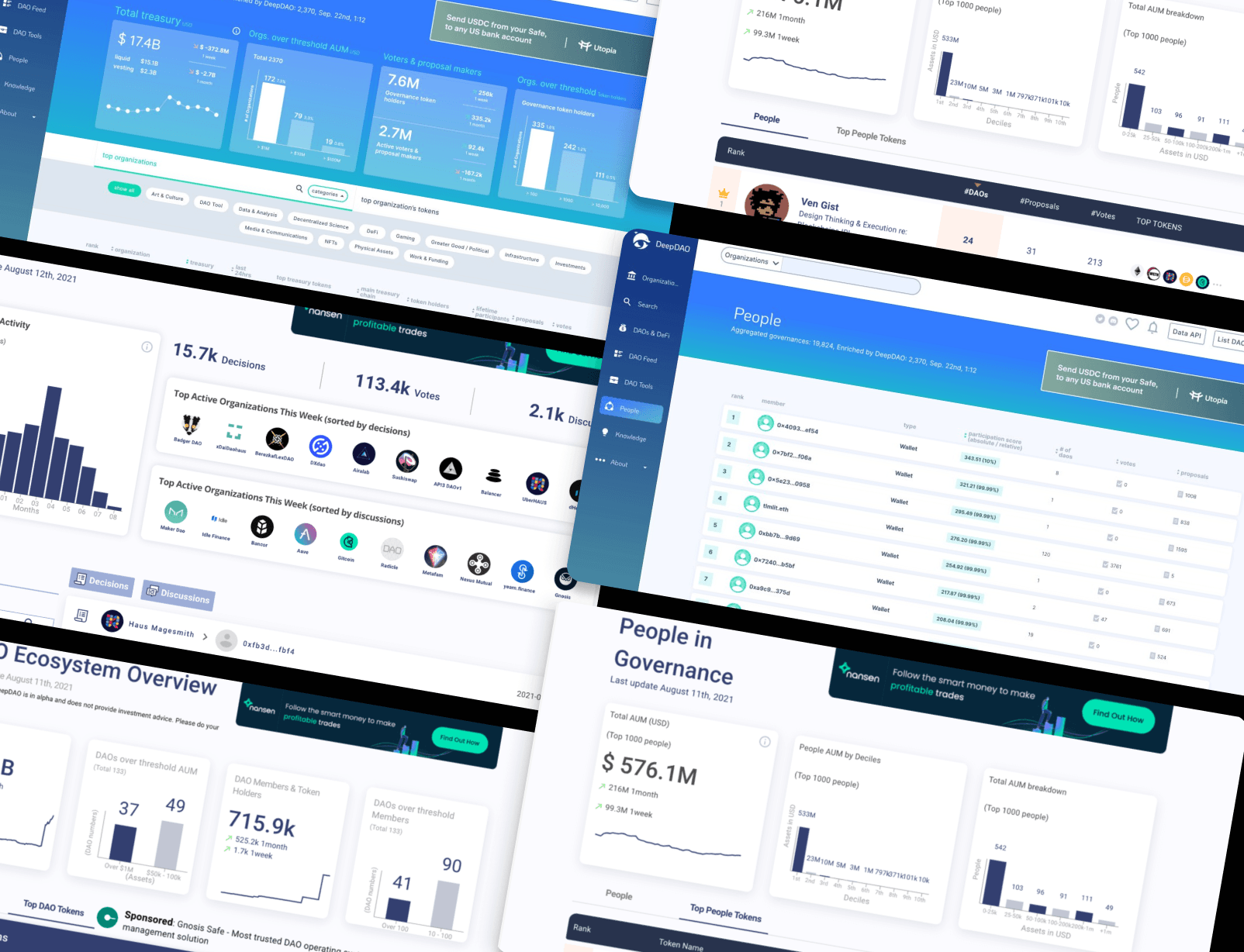
DeepDao
DeepDao is a data analytics platform that ranks and analyzes the top Decentralized Autonomous Organizations (DAOs) across multiple metrics.

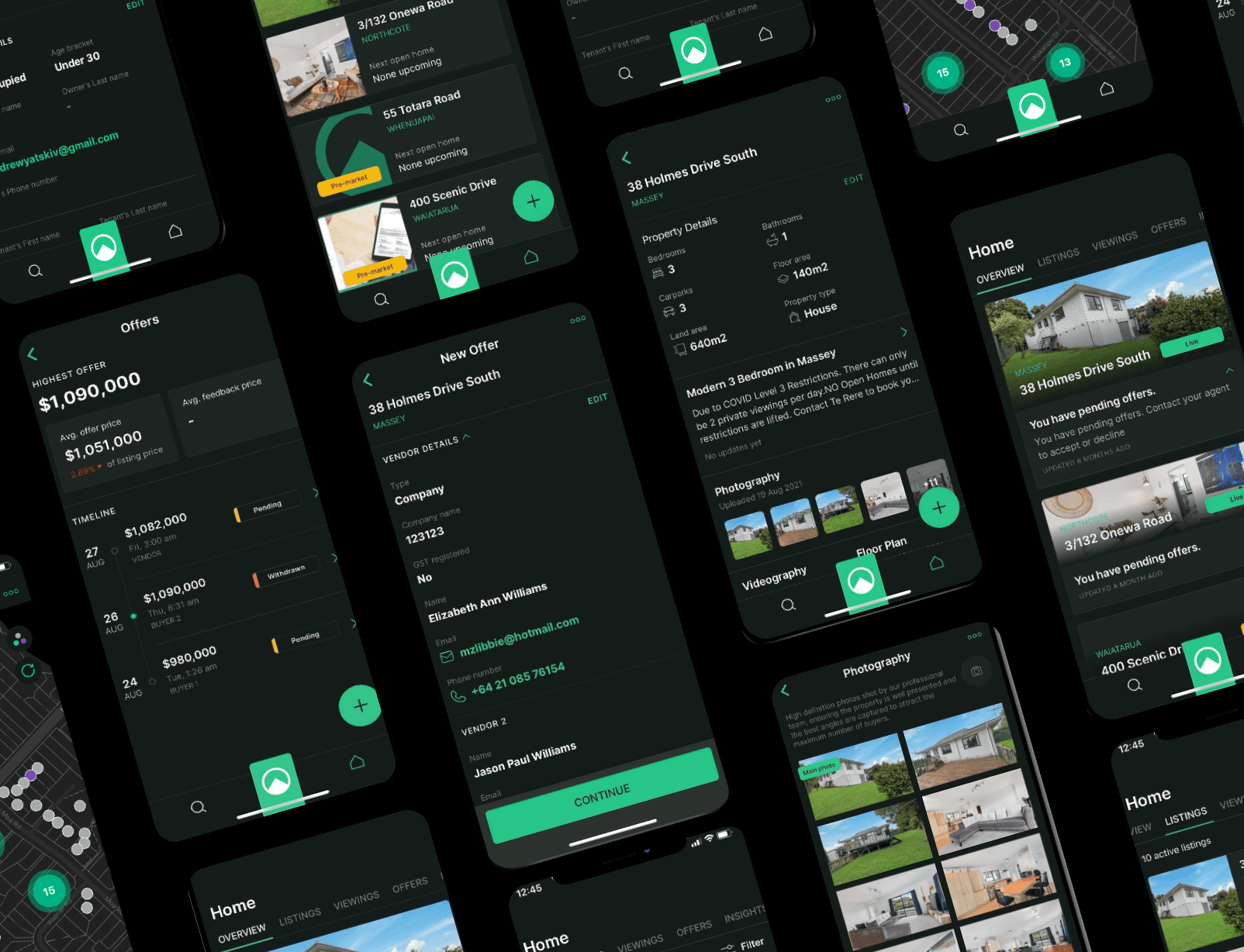
Arizto
Arizto is an online real-time property sales monitoring dashboard that displays the transparent real estate relationship between sellers and buyers.
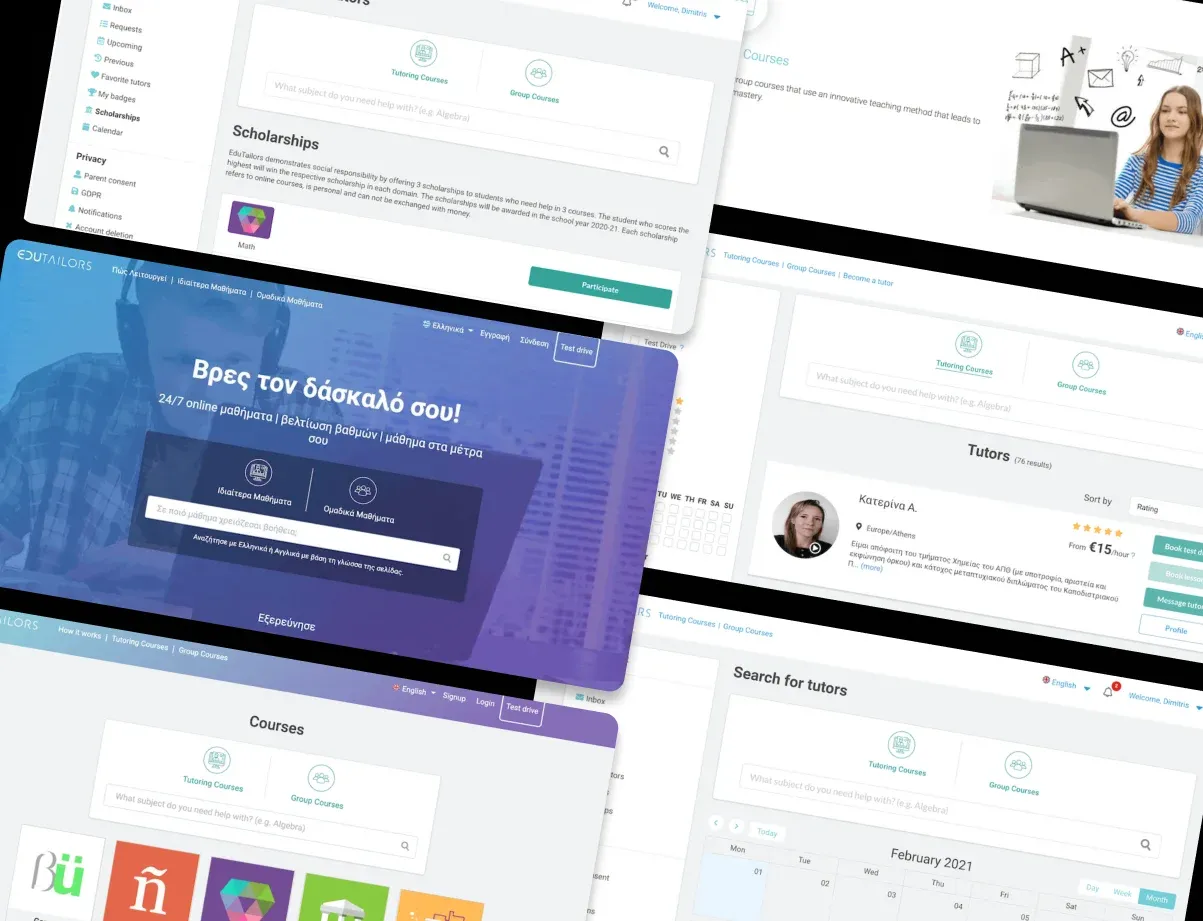
EduTailors
EduTailors is an online educational platform for finding tutors and conducting online lessons. Due to the possibility of individual and group learning, it can be an addition to the school learning or a method for its implementation.
Technologies
Additional Services to Improve Your Redux-Based Applications
To ensure your applications remain performant and scalable, we offer additional services that strengthen your Redux-based solutions across all layers.


React & Frontend Ecosystem
Build dynamic interfaces powered by modern state management.
Full-Stack & Application Development
Connect frontend state with backend systems and APIs.
Product Development & Scaling
Turn frontend applications into scalable digital products.Process of Vetting and Hiring Redux Developers
When clients need to hire a Redux developer through Incora, they move through a structured five-step process from initial intake to post-placement delivery monitoring.Defining Frontend and State Management Requirements
Technical intake to map your React stack, store architecture complexity, async patterns, and engagement model preference — documented before any candidate search begins.
Selecting Redux Developers with Relevant Experience
Search from Incora’s pre-vetted Redux pool — only engineers with production-grade RTK, Saga, or Thunk experience, verified portfolio work, and confirmed availability reach your shortlist.
Technical Evaluation of Redux and React Skills
Structured evaluation covering store architecture design, selector optimization, middleware integration, and async state handling in conditions that reflect real production requirements.
Client Interview and Technical Alignment
You interview the shortlist with a full evaluation context provided. Most clients who want to hire a React Redux developer make a final hiring decision within 3–5 business days of receiving candidate submissions.
Onboarding and Frontend Architecture Setup
The engineer onboards within days, with environment access and architecture context set before the first standup. Incora tracks delivery health from placement through the first sprint and handles escalations without routing them back to you.
Why trust us? More than 50+ customers worldwide did!
Only 3,5% of Redux candidates pass Incora's vetting. Retention across placements exceeds 92%, and most clients receive a qualified shortlist within five days of submitting requirements.
100+
Experts to choose from10+
Years of experience70+
Projects successfully delivered20+
Niche-experienced developersFAQ About Hiring Redux Developers
What does a Redux developer do?
A Redux developer designs and maintains application state architecture in React projects. They define store structure, write reducers and selectors, configure async middleware, and debug state-related performance issues before they affect users.
What are the benefits of using Redux in React applications?
Redux provides a single source of truth for shared state, making data flows predictable and debuggable even across large component trees. It scales well when multiple feature teams work on the same product and eliminates prop drilling, which makes complex React apps hard to maintain.
What skills should professional Redux developers have?
Strong candidates know Redux Toolkit, selector memoization with Reselect, and async middleware — either Thunk or Saga. TypeScript proficiency, experience with RTK Query, and comfort with Redux DevTools-based debugging are consistent markers of production-readiness.
What types of applications require Redux?
Redux fits best when many components share the same data, when state changes need to be fully traceable, or when the data model has grown too complex for local state alone to handle. Fintech dashboards, EHR platforms, and SaaS admin tools are the most common cases.
How much does it cost to hire Redux developers?
The cost to hire a Redux developer through Incora depends on the engagement model you choose. Staff augmentation starts at $5k/month, a managed team at $10k/month, and a managed project at $20k/month. Exact rates vary by seniority and domain depth — Incora provides specific ranges at intake after reviewing your requirements.
Is Redux still relevant with modern React tools?
Yes. Redux Toolkit has addressed the historical boilerplate concerns, and RTK Query has closed the feature gap with React Query for data fetching. For applications where complex shared state must be coordinated across multiple teams, Redux remains the most structured and auditable option available.
Check Out These Related Reads!
On our blog, we share tips, tricks, hacks, and insights on the business and tech industry to get you integrated into the software development environment. Head over to our blog to find the insights for your business.

Construction
AI Shift Scheduling for Construction: Is This the Future of HR and Payroll?
Construction
How AI Negotiation Agents Improve Construction Procurement [And Why Do You Need It]
Construction
Overcoming Integration Challenges: Making Construction Data Work Together with BI Tools
Construction
Investing in the Right Construction Reporting Software: Features That Make a Difference
Construction
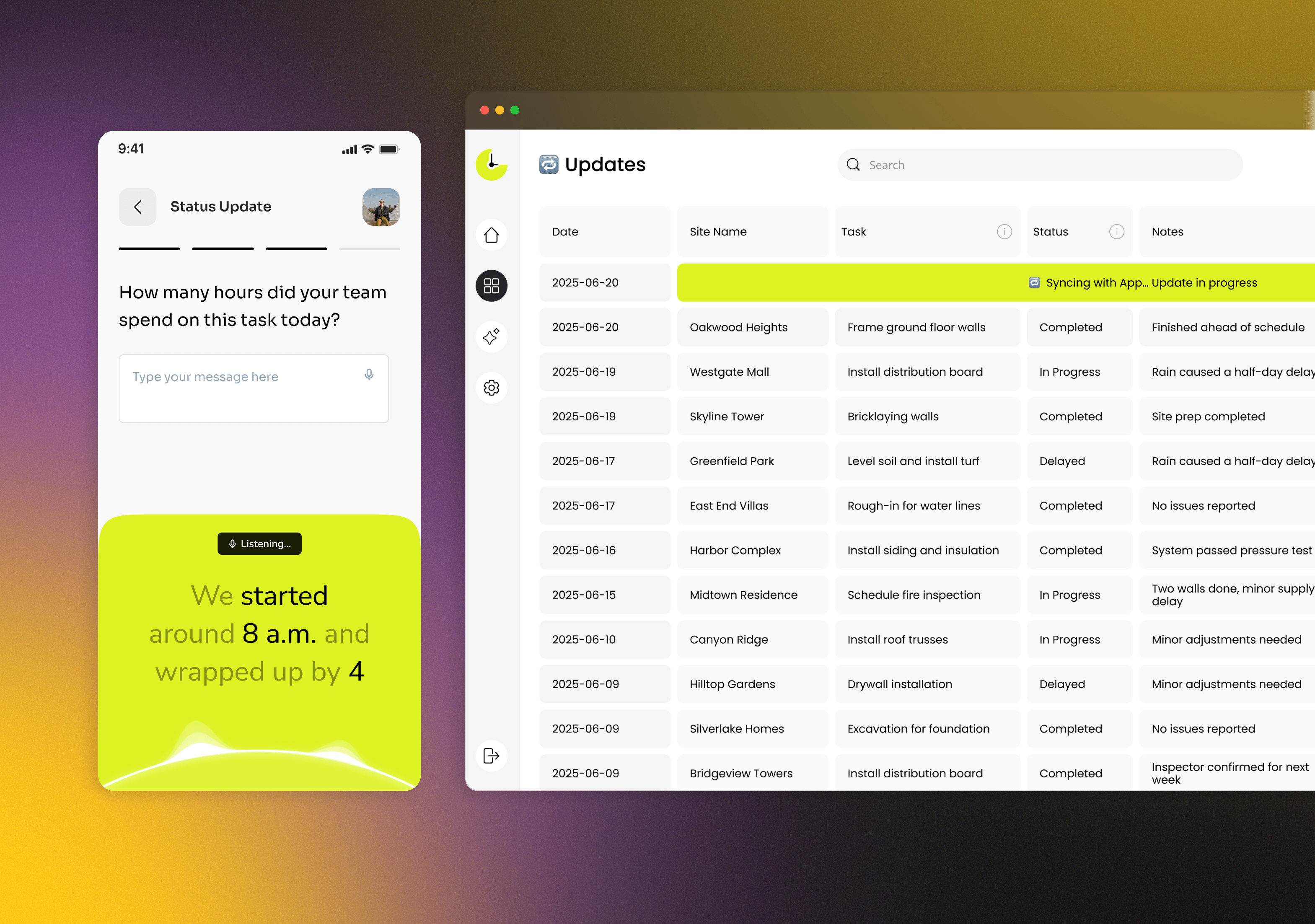
Is Voice Technology Worth the Investment for Construction Firms?
Construction
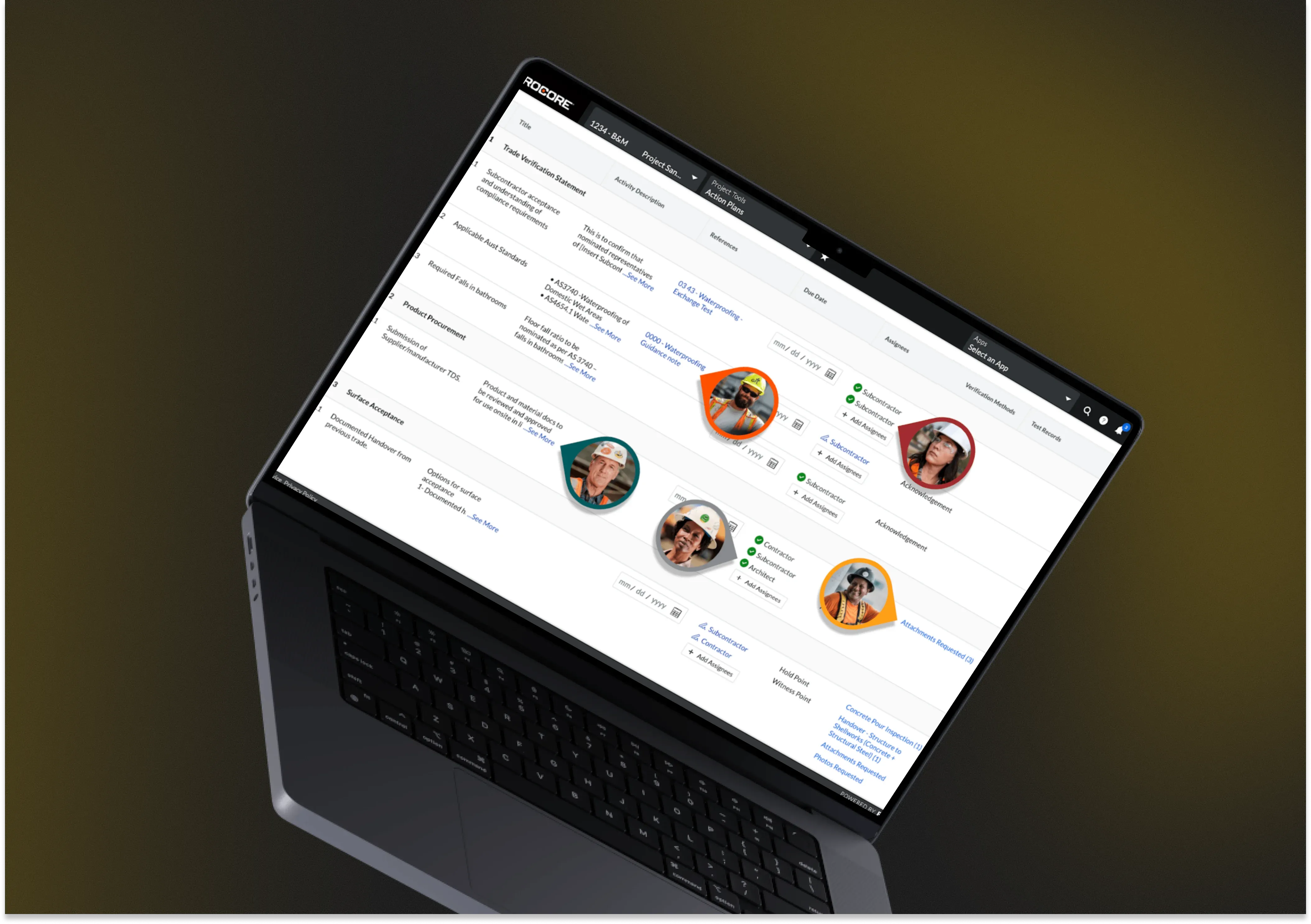
How to Create a Procore Alternative Software for a Construction Business
Get in touch
Let's discover which technologies will make your idea great.


This site uses cookies to improve your user experience. Read our Privacy Policy
Accept