

Hire
Hire Nest.JS Developers
When you hire NestJS developers through Incora, you get engineers matched to your backend architecture — by TypeScript depth, domain experience, and seniority level. We handle sourcing, technical evaluation, and team alignment so your engineers are productive from the first sprint.
Hire NestJS Developers for Custom Solutions
Whether you need to hire a Nest js developer for a focused API layer or a complete backend system, we match the right technical profile to your stack and delivery timeline. Incora covers the full range of NestJS backend work from initial architecture through production support.
Scalable Backend Application Development
We build structured, modular NestJS backends that handle growth without requiring core architecture rewrites later. TypeScript-first design, dependency injection patterns, and clean module boundaries are in place from day one — not patched in as the codebase scales.RESTful and GraphQL API Development
REST and GraphQL APIs built with NestJS decorators, validation pipes, and schema-first design — giving you predictable contract behavior between services and clients from the first integration point.Microservices Architecture with NestJS
NestJS microservices connected via TCP, gRPC, RabbitMQ, and Kafka transport layers — with service discovery, health checks, and circuit breakers in place before the first service-to-service call goes live.Real-Time and Event-Driven Applications
WebSocket gateways and event-driven flows built with NestJS and integrated into your messaging infrastructure for low-latency data delivery and consistent state synchronization across connected clients.Why Choose Incora to Hire a NestJS Developer?
Incora places NestJS engineers across fintech, healthcare, and SaaS — every candidate who reaches your shortlist has cleared a technical screening built around production-level backend work. That's what you get when you hire NestJS developers through Incora.
Most NestJS candidates have framework knowledge but no production backend experience.
screening stages filter out everyone who hasn't shipped real systems.
A wrong module structure on day one breaks the architecture under delivery pressure.
of candidates are assessed on architecture decisions before you see them.
General talent networks take months to find a specialized NestJS engineer.
hours to a pre-screened shortlist from Incora's vetted pool.
TypeScript depth varies wildly between candidates who list it on a CV.
pass rate on Incora's TypeScript and NestJS technical screening.
One NestJS engineer can't cover architecture, DevOps, and delivery coordination alone.
request — Incora assembles the full backend team.
Tools and Technologies We Use
Incora’s NestJS engineers work with a production-tested toolchain across backend frameworks, API layers, and cloud infrastructure. When you hire NestJS developers through Incora, the stack is already proven — no ramp-up on framework basics before productive backend work begins.


Core Backend Technologies and Frameworks
The core server-side stack Incora engineers use to build structured, modular backend applications with enforced TypeScript conventions and a clear separation of concerns.
- NestJS
- TypeScript
- Node.js
- Express.js
- Fastify


APIs, Microservices, and Data Handling
Tools for inter-service communication, message brokering, and API contract management in distributed NestJS systems with high throughput requirements.
- GraphQL
- gRPC
- RabbitMQ
- Kafka
- REST


Databases, Cloud, and DevOps
Data persistence, caching, containerization, and cloud deployment infrastructure that Incora NestJS engineers configure for production-grade backend reliability.
- PostgreSQL
- MongoDB
- Redis
- Docker
- AWS
Hire Our NestJS Developers
Need to hire NestJS developers with adjacent backend skills? Our pool of Nest.js developers for hire has production NestJS experience across API backends, microservices, and real-time systems — matched by domain and framework depth, not just availability.
Please, select your warriors:

Node.js / NestJS Engineer

Full-Stack TypeScript Engineer

Node.js Developer

API / Integration Developer

Cloud-Native Node.js Engineer

Express.js Engineer

Event-Driven Engineer

AWS Cloud Engineer

Tech Lead / Software Architect
Your current team consists of 0 member:


Please drag & drop team members you want to hire
Engagement Models to Hire NestJS Developers
3 models to hire Nest.JS developers, depending on how your team is structured and how much delivery ownership you want Incora to carry.Staff Augmentation ($5k+)
NestJS engineers join your team, work under your tech lead, in your tools, at your standups. Right for teams with clear technical direction that need backend execution capacity added without additional management overhead.Managed Team ($10k+)
Incora assembles a NestJS backend team — engineers, a backend lead, and a DevOps specialist. You set the product direction; Incora handles technical coordination and delivery accountability across every sprint.Managed Project ($20k+)
You define the backend scope. Incora owns planning, execution, and delivery reporting on a T&M or fixed-price basis — with a single point of contact from technical kickoff through post-launch.Solutions We Build
When you hire a Nest js developer through Incora, you get engineers who have already shipped these system types in live production environments.


Enterprise-Grade Backend Systems
High-throughput, TypeScript-strict NestJS backends built for reliability at production scale.

API-First Applications
RESTful and GraphQL API layers designed contract-first with OpenAPI documentation and input validation in place from day one.

Microservices-Based Platforms
Distributed NestJS services connected over gRPC, Kafka, or RabbitMQ with health monitoring and circuit breaking between services.

Real-Time and Event-Driven Applications
WebSocket gateways and event emitters built for high-concurrency, low-latency data delivery.

SaaS and Cloud-Native Platforms
Multi-tenant NestJS backends on AWS or GCP with tenant isolation at the data and infrastructure level.

Backend Systems for Mobile and Web Applications
API backends serving mobile and web clients from a single, versioned NestJS service layer.
Integration Platforms and API Gateways
Middleware and gateway services connecting third-party APIs, internal microservices, and data pipelines.
Data-Intensive and High-Load Applications
NestJS systems with caching layers, queue-based processing, and query optimization for high read/write workloads.
Industries We Transform
Incora places NestJS engineers where backend stability and API reliability have direct business consequences across sectors.
Property data APIs
High-volume listing, search, and filtering backend development.
MLS integration
Data synchronization and feed normalization pipeline engineering.
Transaction workflows
Backend logic for offer, contract, and escrow status management.
User account systems
Role-based access control for buyers, agents, and administrators.
Our Success Stories
Companies that hire Nest JS developers through Incora get engineers with real production experience — across API platforms, event-driven backends, and microservices migrations in fintech, healthcare, and SaaS.
Sumatra
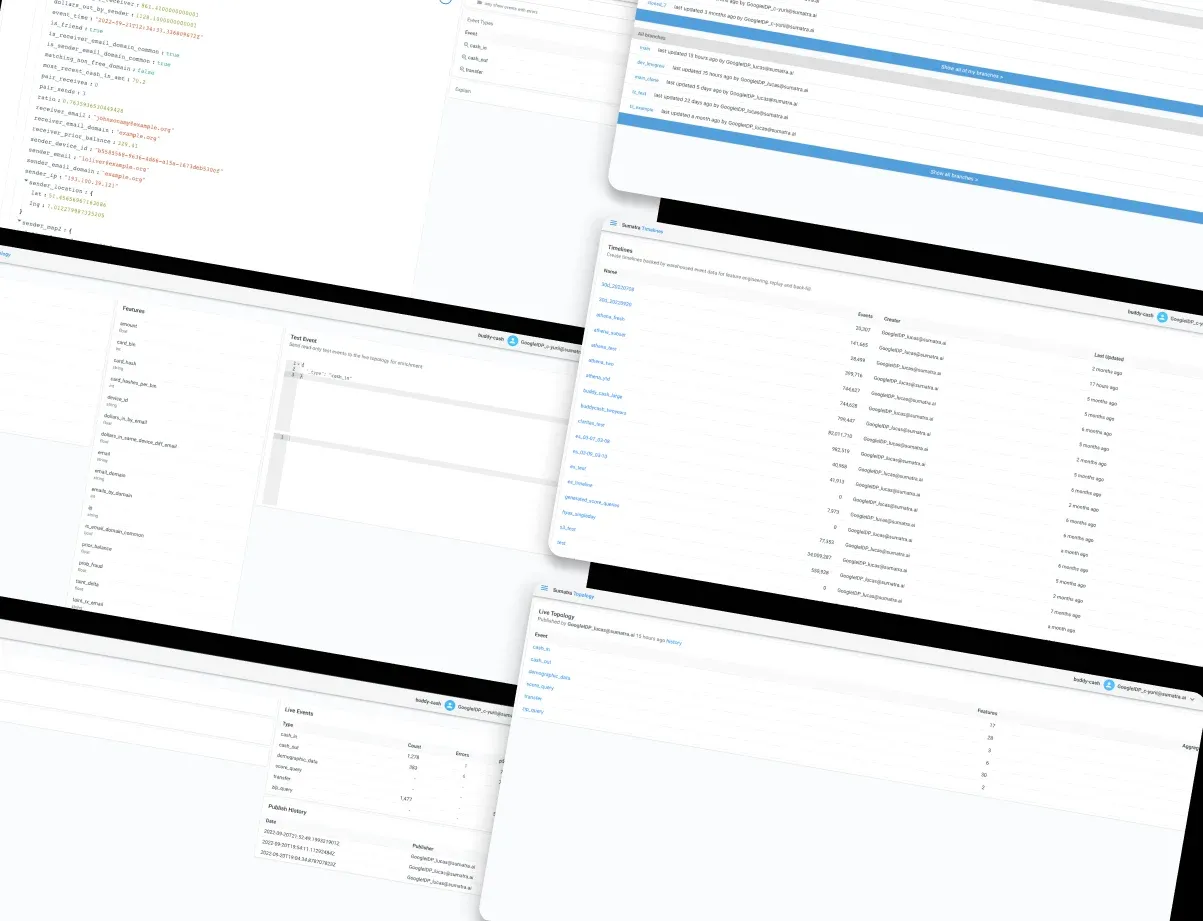
Sumatra is a platform that provides self-service capabilities for data teams, enabling them to build real-time feature pipelines from event-based data.
Technologies

Meetfox
Meetfox is an online booking system that allows international experts to provide consulting and share knowledge.
Technologies

CampCruisers
An online booking platform designed to provide users with options for renting motorhomes, recreational vehicles (RVs), boats, and houseboats or for booking campsites and RV parking spots.

Additional Services to Enhance Your NestJS Applications
To help you build robust and scalable solutions, we offer additional services that strengthen your NestJS applications across all layers.


Node.js Ecosystem & Backend Frameworks
Build scalable backend systems using modern JavaScript technologies.
Backend Architecture & APIs
Design structured, scalable APIs and services.
Product Development & Scaling
Turn backend systems into full-scale digital products.Process of Vetting and Hiring NestJS Developers
When clients want to hire NestJS developers through Incora, they follow a structured 5-step process from technical intake to live engineer delivery.Defining Backend Architecture and Requirements
We map your backend architecture, identify NestJS modules and API layers that need coverage, and define seniority and stack requirements before sourcing begins — preventing profile mismatches that cost weeks after onboarding.
Selecting NestJS Developers with Relevant Experience
We filter Incora's pre-vetted pool by NestJS production experience, TypeScript depth, and domain background. Only candidates who clear stack filtering and portfolio review reach your shortlist.
Technical Evaluation of NestJS and TypeScript Skills
Every candidate completes an architecture assessment, a live TypeScript and NestJS coding session, and a real module code review — filtering out engineers who know the framework surface but haven't shipped production systems.
Client Interview and Technical Alignment
You interview the shortlist, providing a full evaluation summary for each candidate. Most clients who hire Nest JS developers through Incora close within 3–5 business days from the first interview to a signed contract, with Incora handling scheduling and follow-up throughout.
Onboarding & Continuous Delivery Monitoring
Engineer onboards within 3–5 days. Incora handles environment access, first sprint alignment, and tracks delivery health post-placement — with direct escalation support throughout the engagement.
Why trust us? More than 50+ customers worldwide did!
Only 3.5% of NestJS candidates clear Incora’s technical screening — engineers who have built and maintained backend systems on real production products. Retention across NestJS placements exceeds 90%, and most clients extend or expand their engagement within the first quarter of working together.
100+
Experts to choose from10+
Years of experience70+
Projects successfully delivered20+
Niche-experienced developersFAQ About Hiring NestJS Developers
What does a NestJS developer specialize in?
A NestJS developer builds server-side applications using the NestJS framework on top of Node.js and TypeScript. Core work covers REST and GraphQL API design, module architecture, dependency injection, and service integration with databases, message queues, and third-party APIs. When you need to hire a NestJS developer, Incora provides engineers who own the full backend scope — not just isolated components handed off between teams.
When is NestJS a better choice than other Node.js frameworks?
NestJS fits backends that require enforced structure — enterprise applications, microservices, or teams with multiple contributors who need consistent TypeScript conventions. When you bring in Nest.JS developers for hire through Incora, they assess your current stack first and recommend NestJS only where the architecture complexity justifies it.
What are the main benefits of hiring NestJS developers?
When you hire Nest.js developers through Incora, you get engineers who work within a consistent module and dependency injection pattern, which reduces onboarding time for new engineers joining the codebase. The framework’s native support for microservices, WebSockets, and GraphQL means fewer integration workarounds on complex backend architectures.
What skills should experienced NestJS developers have?
Strong NestJS engineers understand TypeScript beyond basic typing, know the decorator and provider patterns at depth, and have shipped REST or GraphQL APIs to production. Teams that hire a NestJS expert should look for hands-on experience with at least one database, one messaging system such as Kafka or RabbitMQ, and CI/CD tooling for automated deployment pipelines.
What technologies are commonly used with NestJS?
TypeScript is the foundation. Production NestJS stacks typically include PostgreSQL or MongoDB for data persistence, Redis for caching, RabbitMQ or Kafka for message brokering, and Docker for containerization. When you hire a NestJS expert through Incora, they already have hands-on experience with GraphQL, gRPC, and cloud platforms like AWS — no ramp-up on the toolchain before backend work begins.
Check Out These Related Reads!
On our blog, we share tips, tricks, hacks, and insights on the business and tech industry to get you integrated into the software development environment. Head over to our blog to find the insights for your business.


Construction
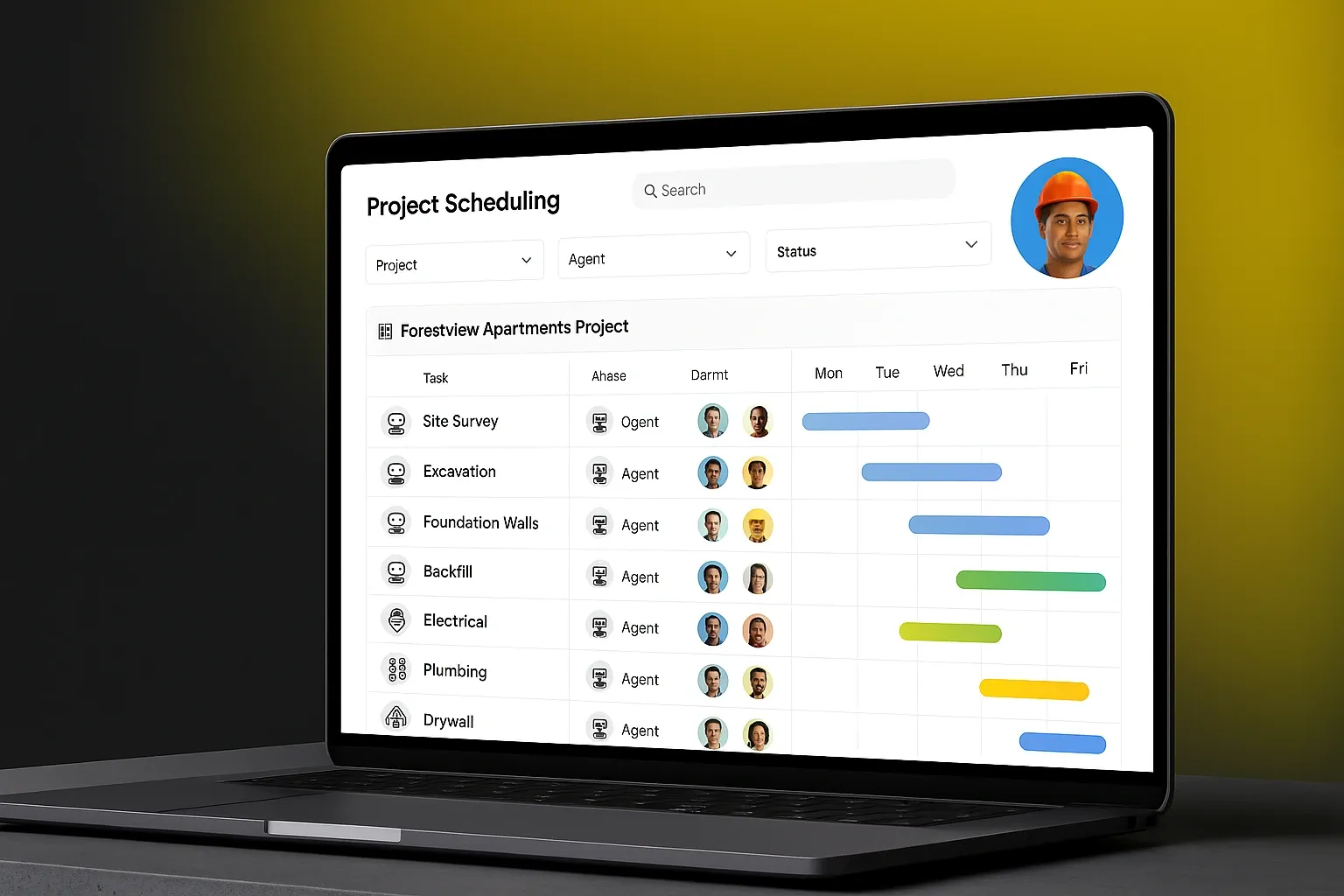
AI Shift Scheduling for Construction: Is This the Future of HR and Payroll?

Construction
How AI Negotiation Agents Improve Construction Procurement [And Why Do You Need It]

Construction
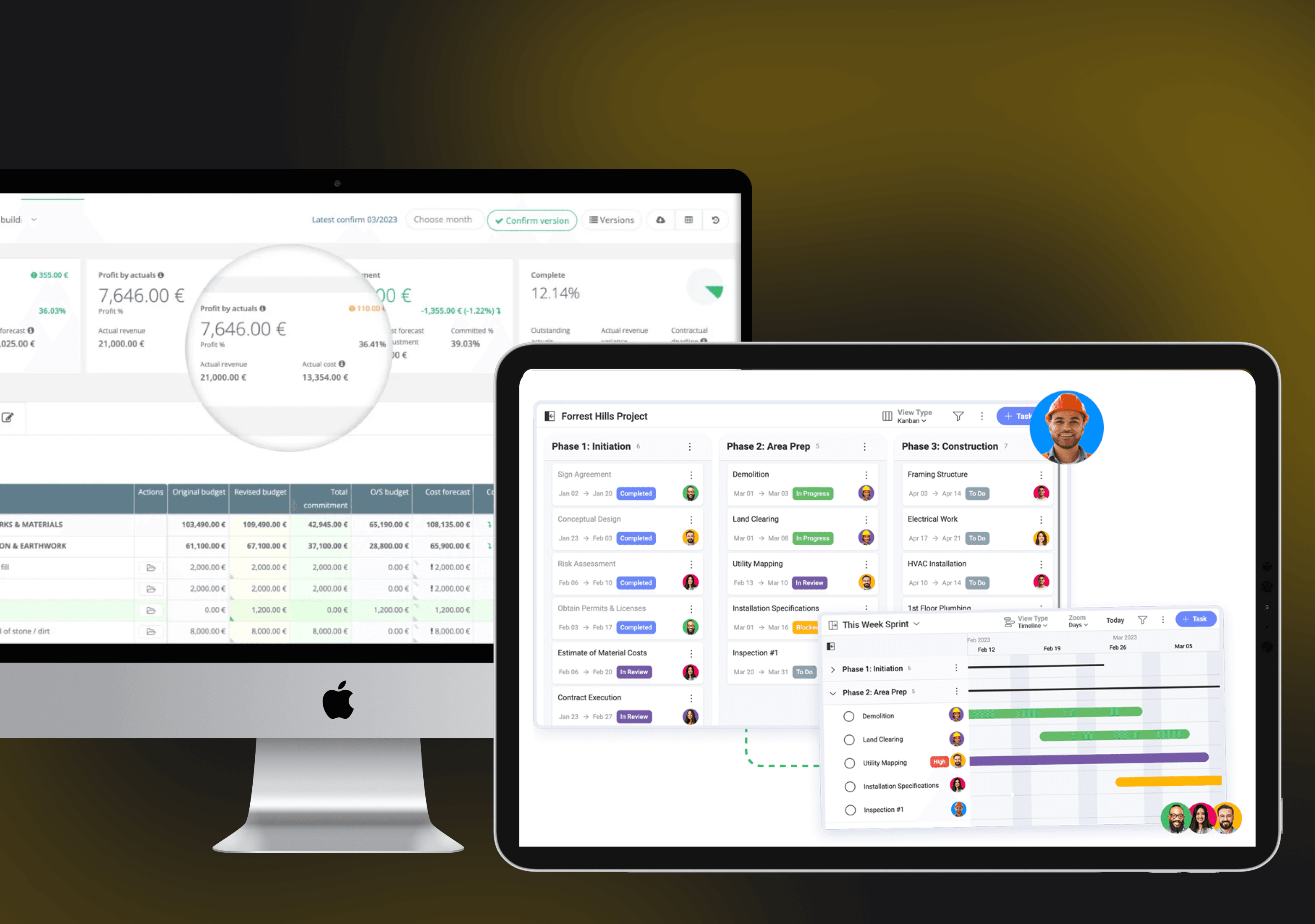
Overcoming Integration Challenges: Making Construction Data Work Together with BI Tools
Construction
Investing in the Right Construction Reporting Software: Features That Make a Difference
Construction
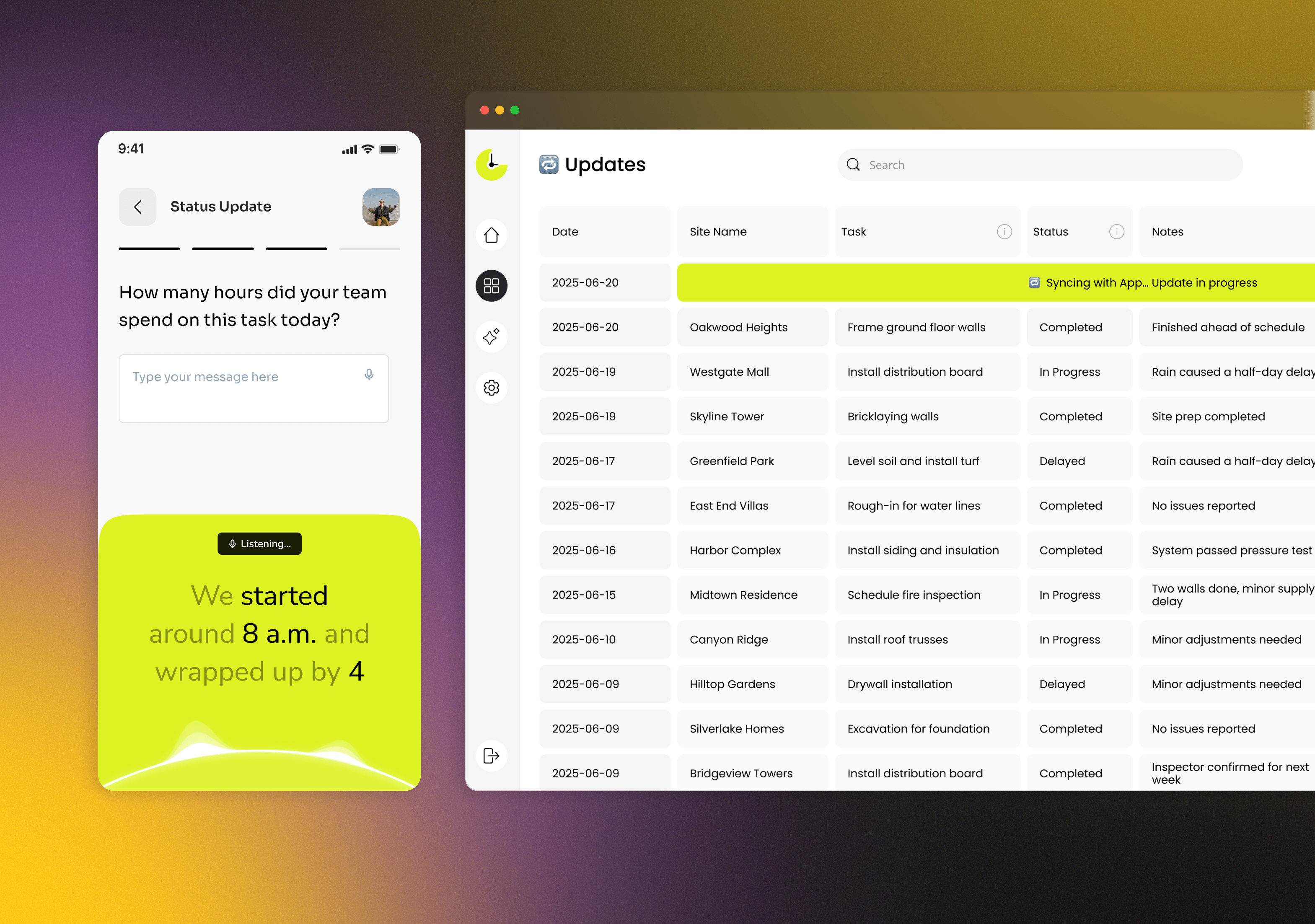
Is Voice Technology Worth the Investment for Construction Firms?

Construction
How to Create a Procore Alternative Software for a Construction Business
Get in touch
Let's discover which technologies will make your idea great.


This site uses cookies to improve your user experience. Read our Privacy Policy
Accept