

Sumatra
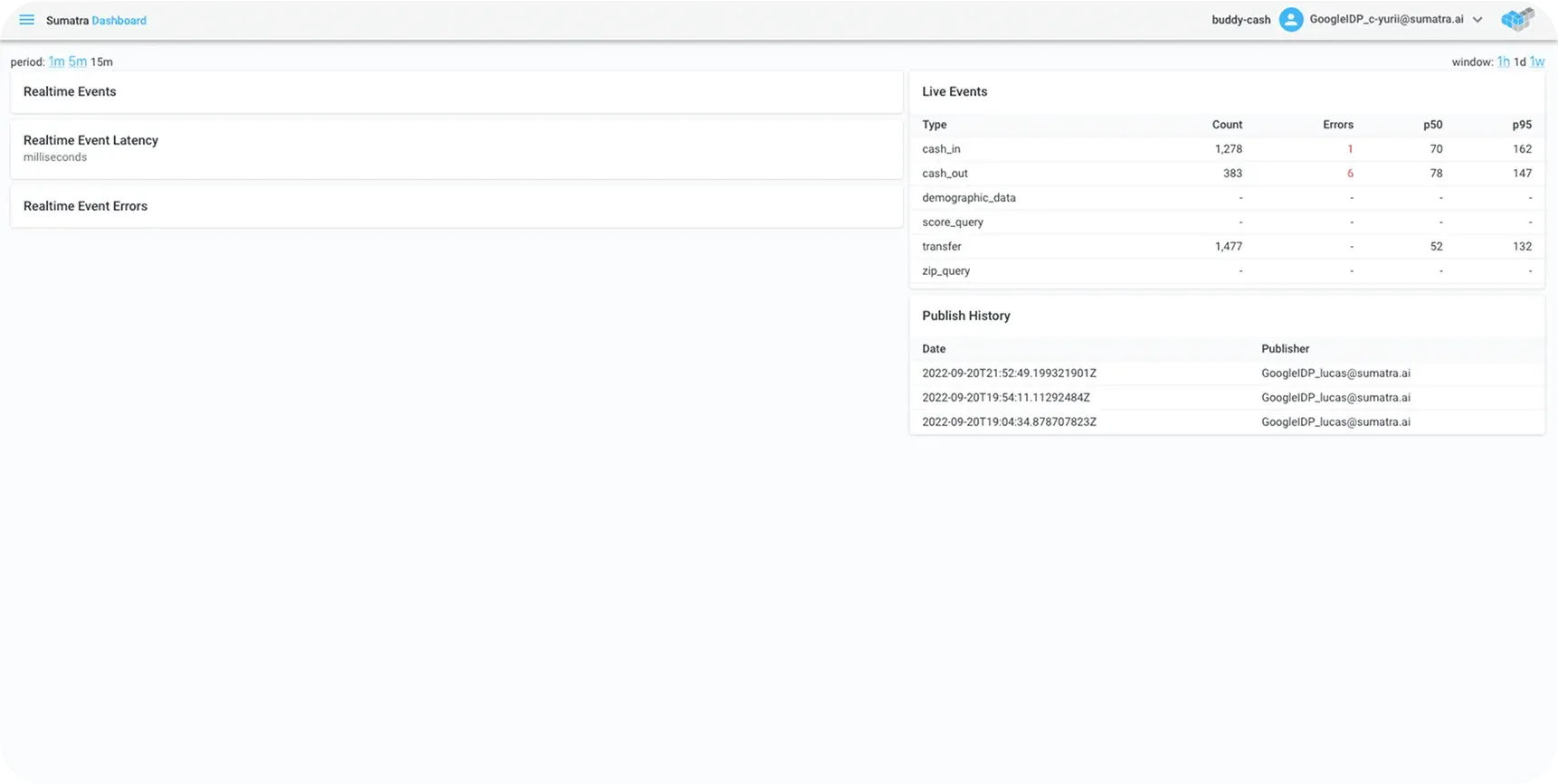
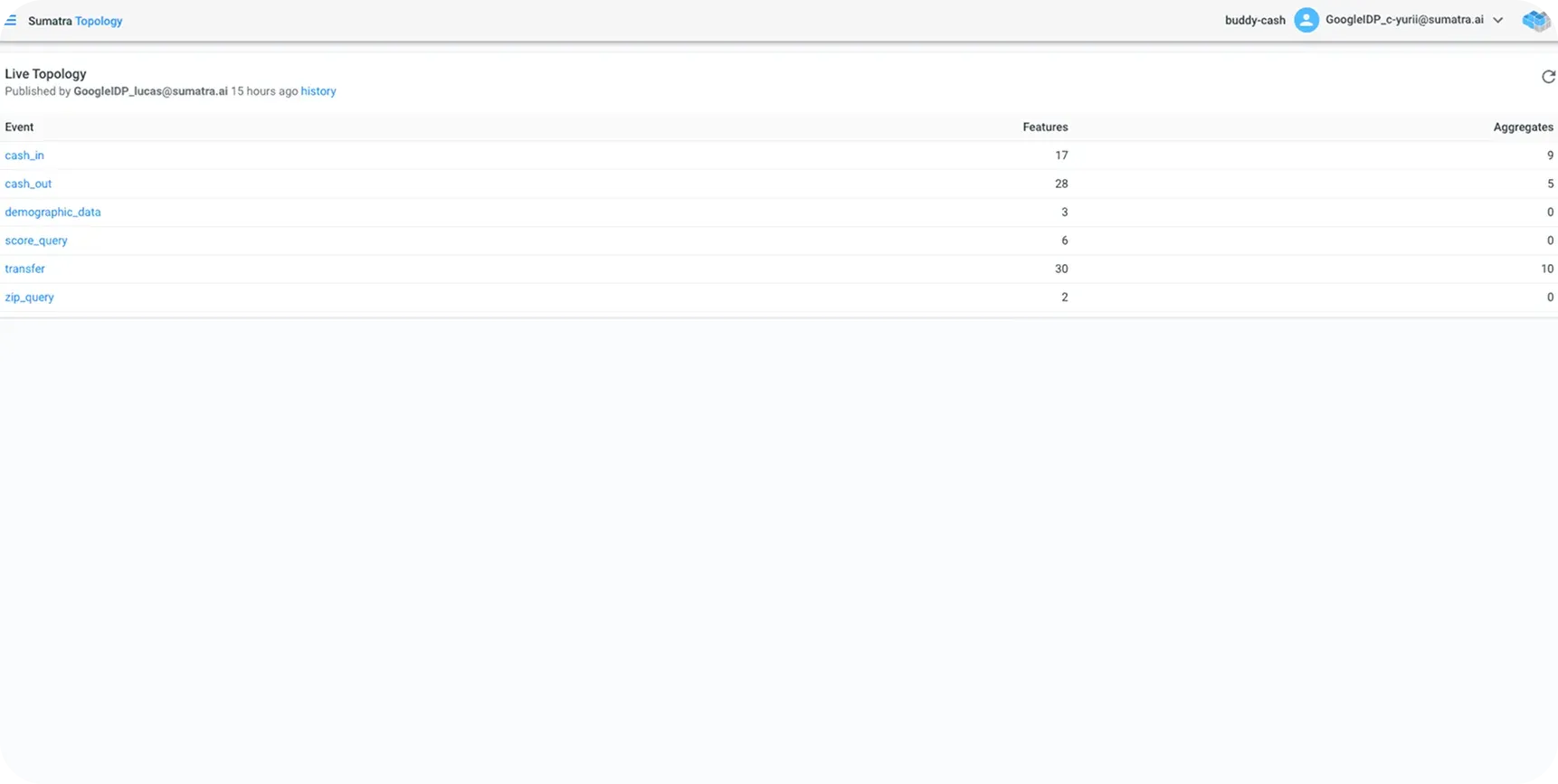
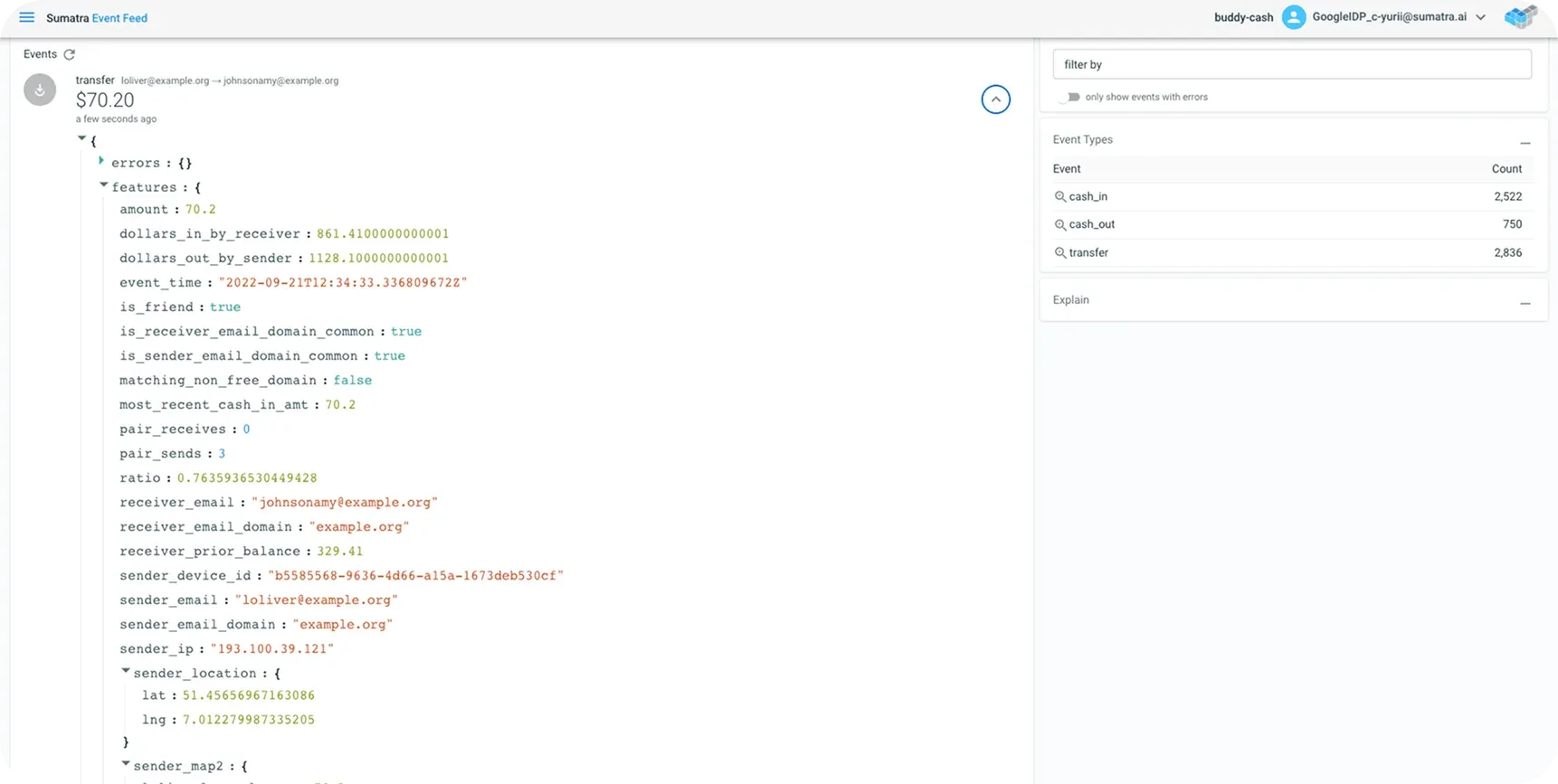
Sumatra is a platform that provides self-service capabilities for data teams, enabling them to build real-time feature pipelines from event-based data.
Location
Industry
Services
Technologies
Project Overview
Project Goals
The eLearning platform is a solution that allows teachers, tutors, and students to try a new study format or earn additional income.
Various professionals can share their knowledge and skills and make money from it. This is a tutoring marketplace with easy access for all types of users, helping them get the most out of studying with a helpful platform.
Scope of Work
We were involved in the project from the start, participating in each significant process within full-cycle software development.
Our clients had a clear understanding of what they wanted to achieve and provided us with detailed requirements and a desired design. So, our software developers were responsible for the tech stack, IT architecture, and infrastructure creation, covering both front-end and back-end, as well as quality assurance and brief post-launch maintenance.
Challenges & Solutions
Automatic validation
Modular connectors
Continuous monitoring
Thinking about a similar solution?
Let's Chat!Solutions & Features
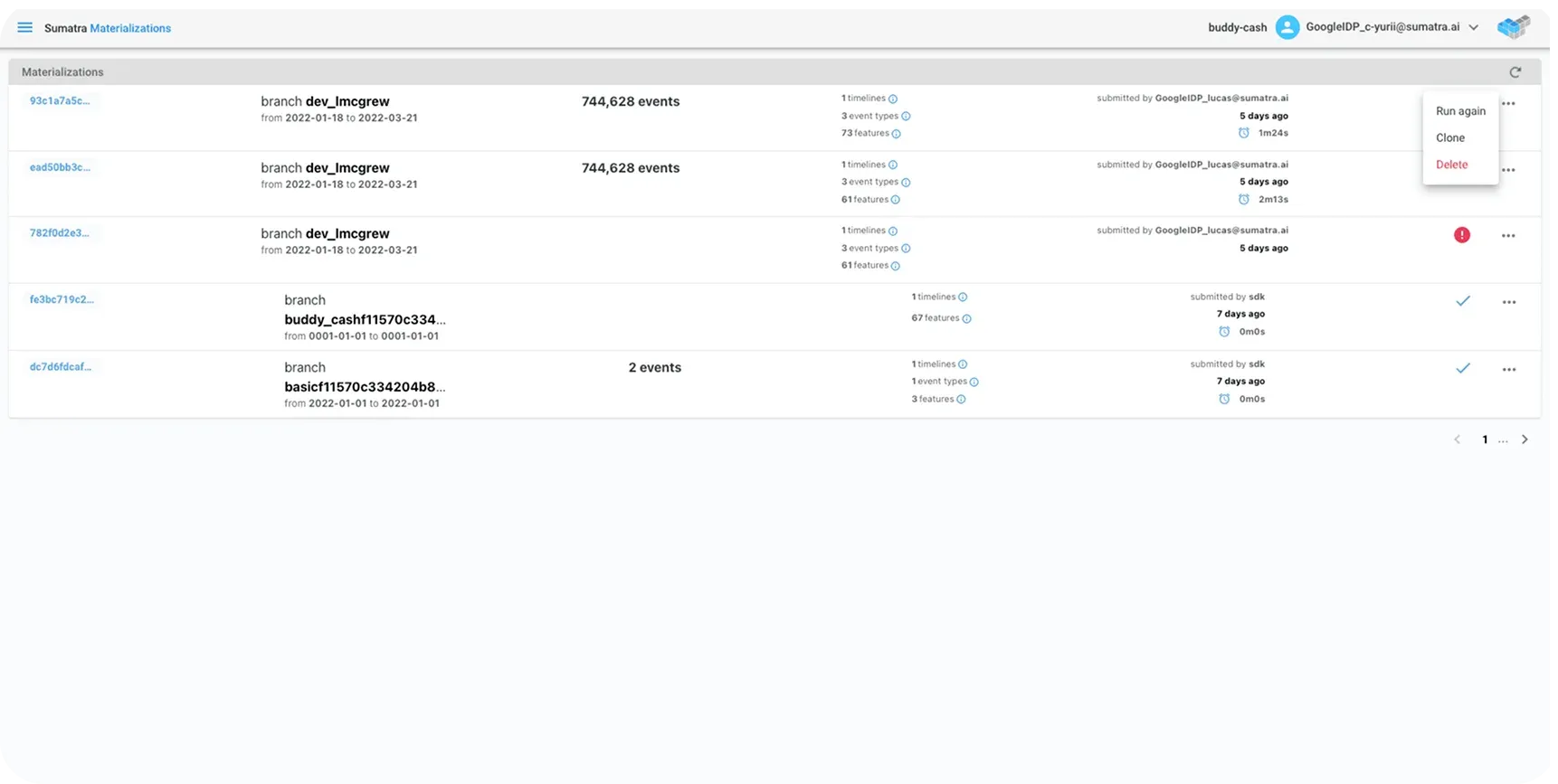
Materializations
This page lists materialization statuses and provides additional information for each. The materialization comprises timelines, event types, and features. They can be run multiple times in a row or deleted. If the materialization is in progress, it gets automatically updated in the table. This list uses GraphQL data caching, which avoids making requests for pages the user has already visited and instead retrieves them from the cache.
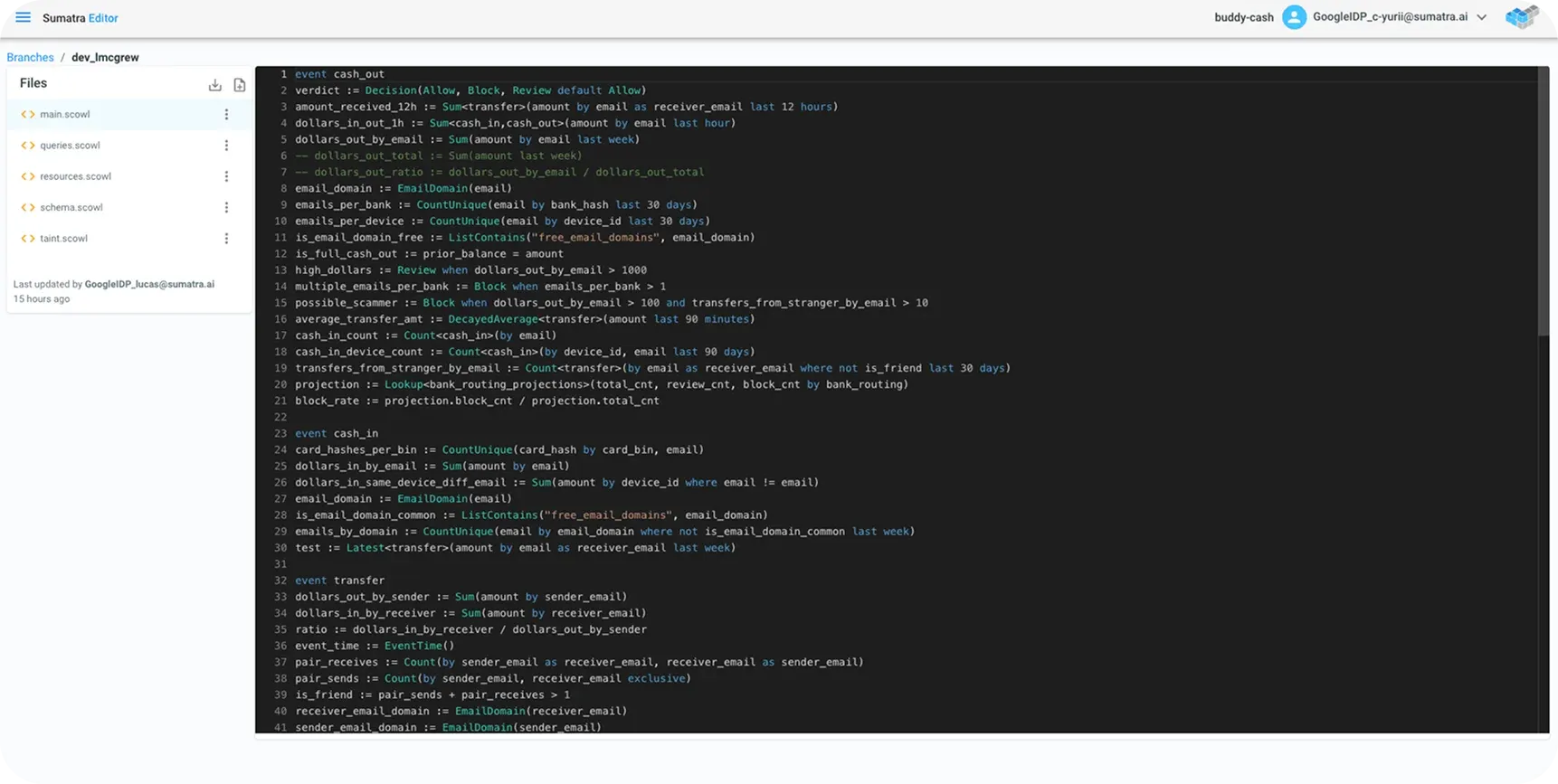
Scowl Editor
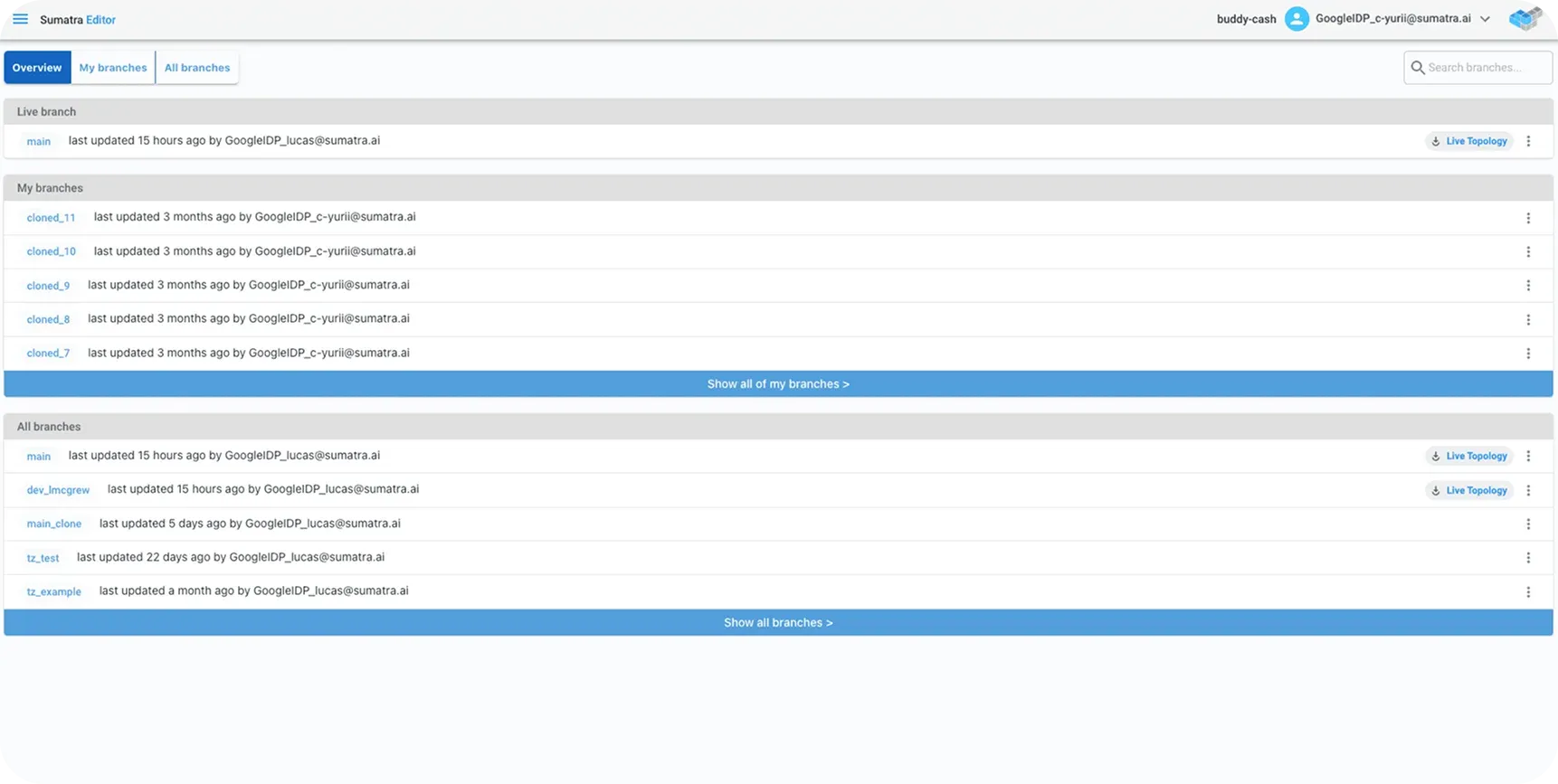
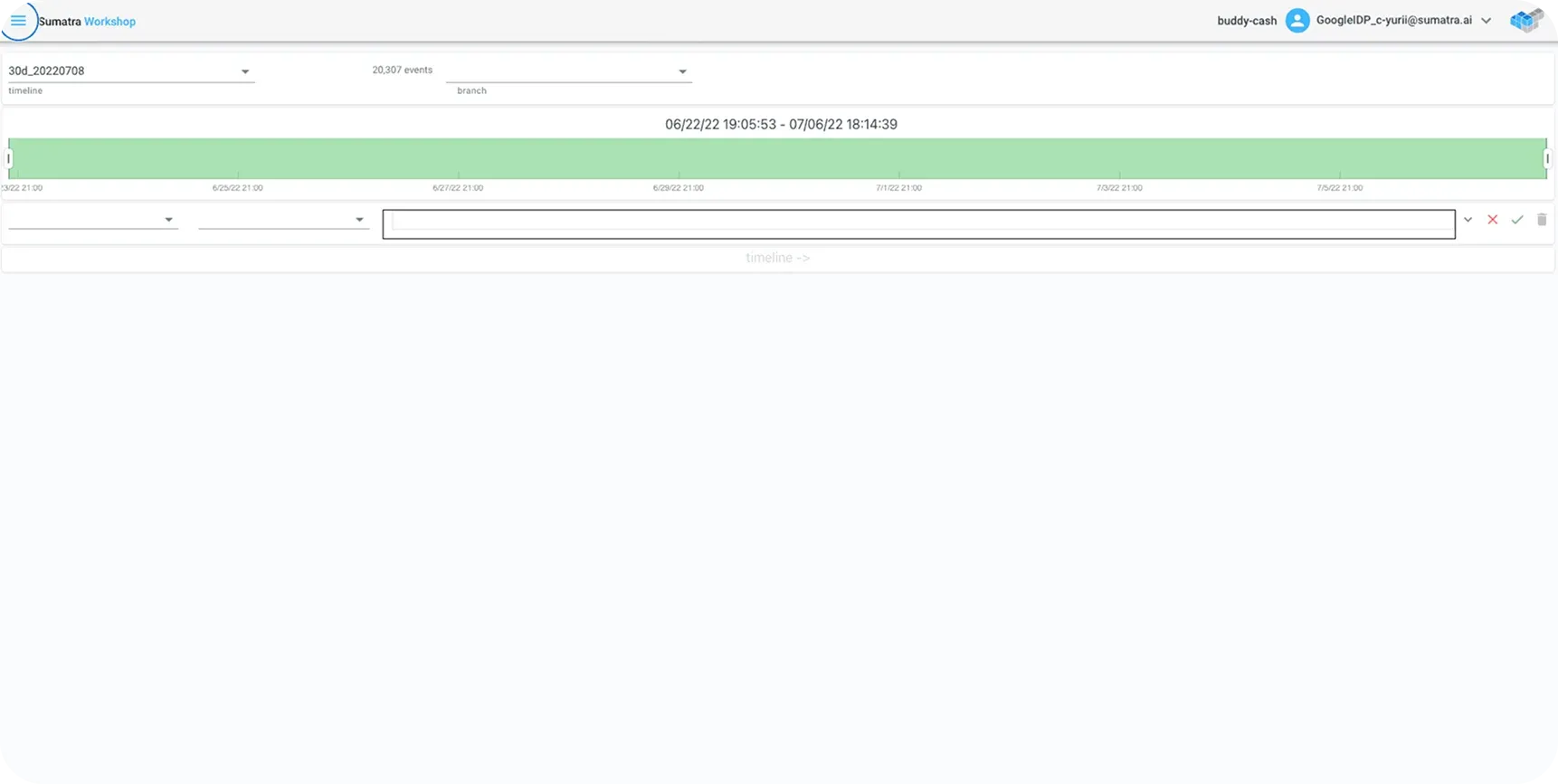
This panel displays all branches available to the user, along with their full modification history. On this page, users can get information about the plan, clone the branch, and start materialization. Using such an editor makes it easier to manage the entire service related to event-based pipelines.
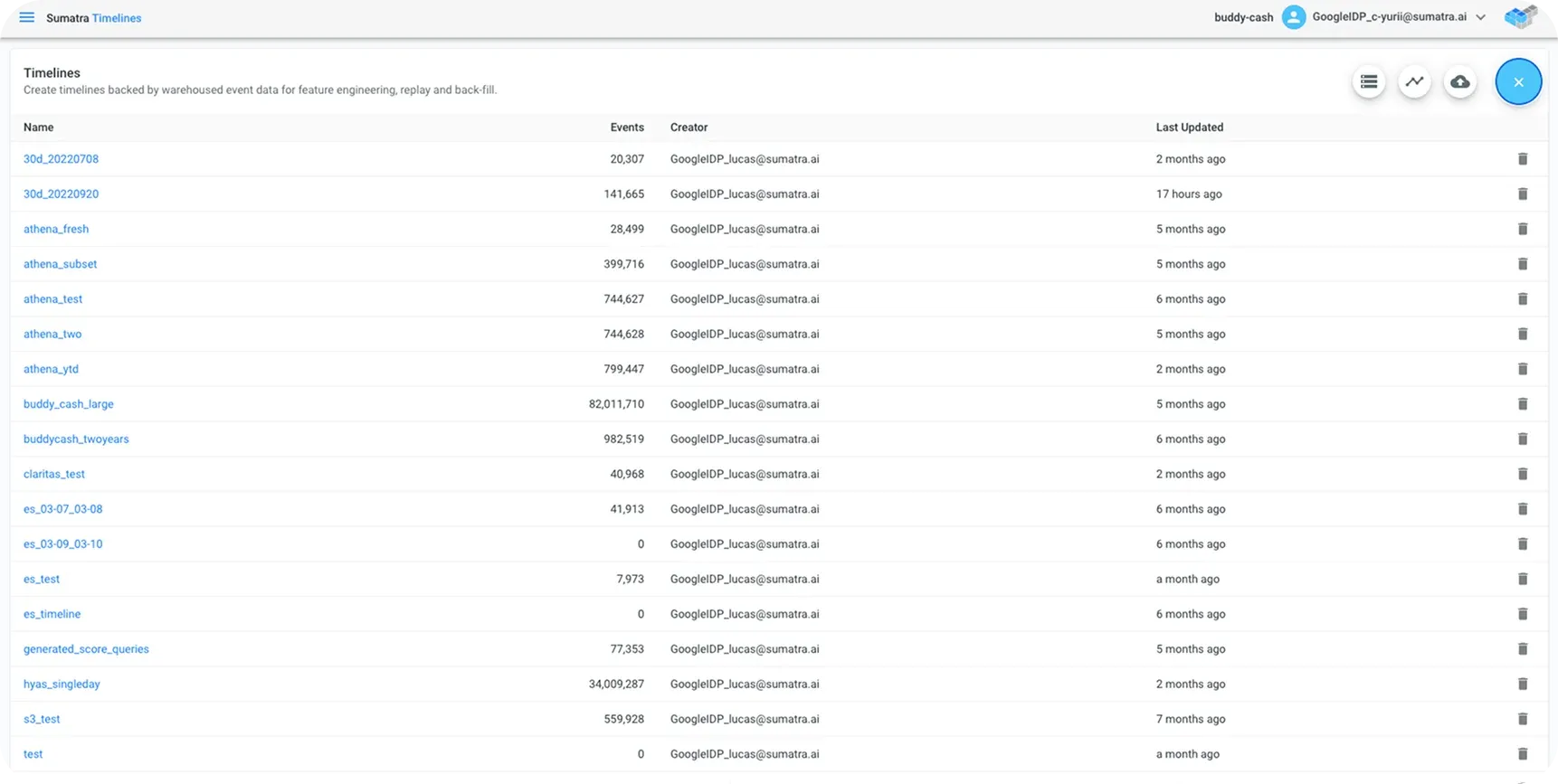
Timelines Panel
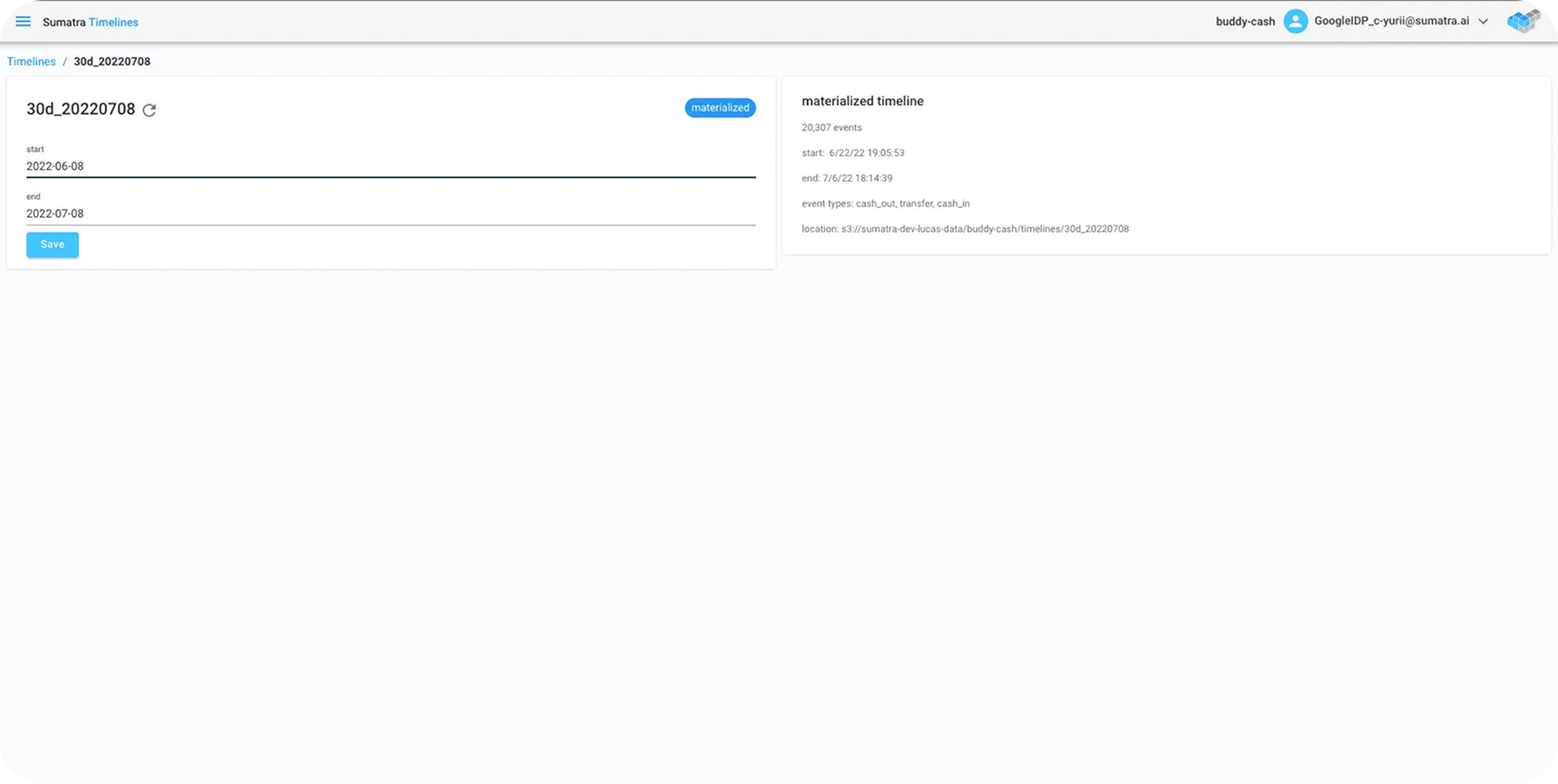
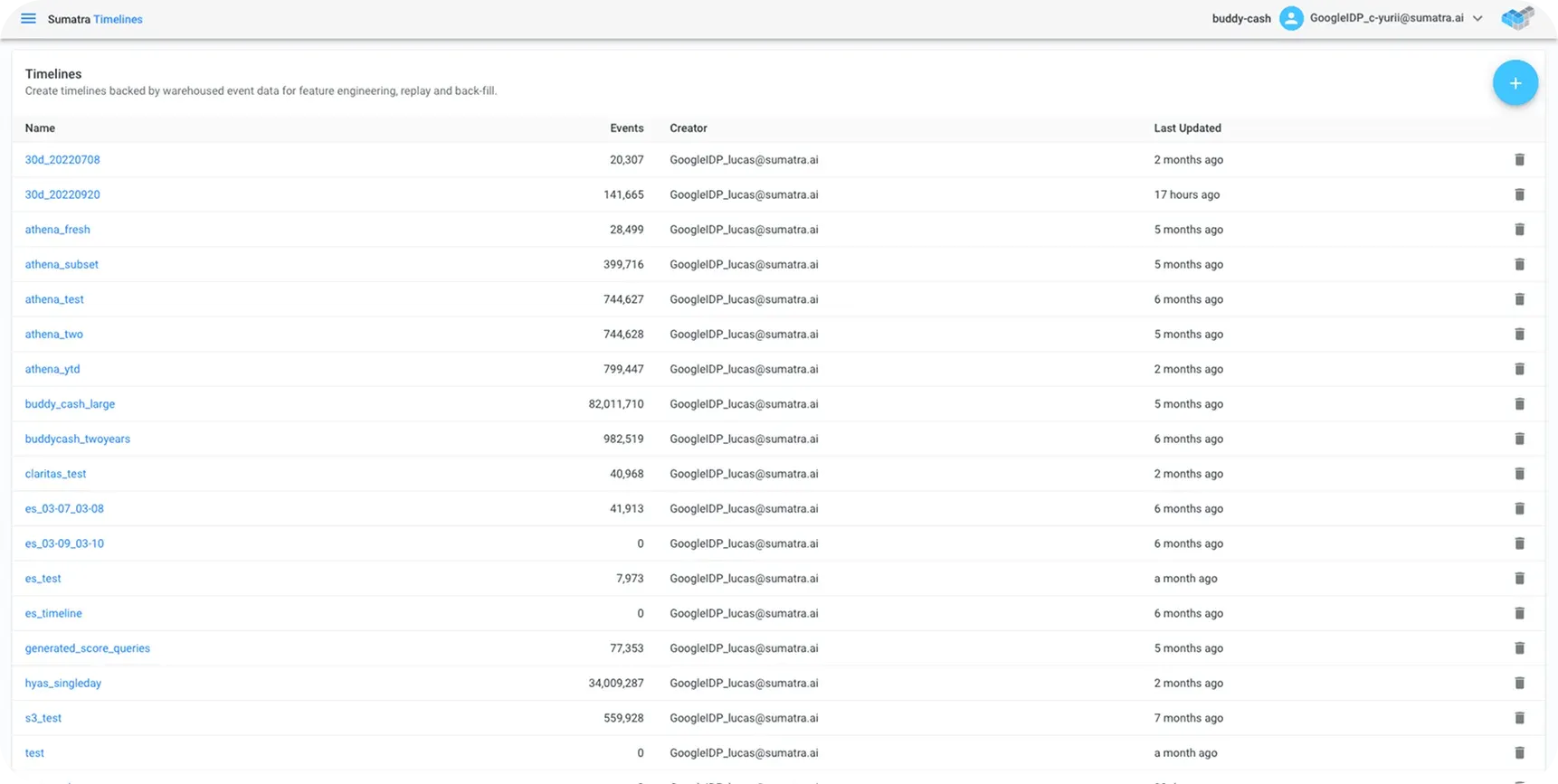
Getting data about timelines is possible on this dashboard. Moreover, it tells the user when everything was last updated, who made the changes, and how many events are currently present. This is like a timeline backend by warehoused event data for feature engineering, replay, and backfill.
INSIDE THE PROJECT
Get in touch!
Let's discover how we can help you reach your goals.

