

Hire
Hire ReactJS Developers
React projects break at two points: state that collapses past 50 components, and rendering that tanks Core Web Vitals under real traffic. Hire ReactJS developers from a vetted pool of 100+ experts, onboarded to your stack in 3 to 5 business days.


What Our ReactJS Developers Can Build for You
Teams that hire a ReactJS web developer at Incora get engineers who decide state architecture and rendering strategy on day one. Here is the work we cover.
Custom React JS Development
Component architectures matched to your data flow: Redux Toolkit for complex shared state, Zustand or Context for simpler trees. The right choice cuts re-render cycles by 40 to 60% compared to using useState everywhere.React Web Development
Full builds with SSR, SSG, or CSR chosen against your SEO and TTFB targets. Core Web Vitals measured before launch: LCP under 2.5 seconds, INP under 200 milliseconds.React JS Plugin Development
Custom plugins, third-party SDK integrations, and shared component packages published to your private npm registry. One reused library typically saves 200 to 400 engineering hours per quarter across product teams.Migration to React.js
Phased migration from Angular, Vue, or jQuery, route by route, with the legacy app live throughout. Mid-size migrations close in 4 to 8 months, with feature work continuing in parallel starting in month 2. Each migrated route gets parity tests against the legacy version, so regressions surface before users do.
Why Choose Incora to Hire ReactJS Developers?
5 problems clients stop dealing with when they hire dedicated ReactJS developers through Incora:
Every state update re-renders the whole component tree.
fewer re-renders after memo, selector, and state colocation passes.
Hydration mismatches crash SSR pages in production.
common hydration patterns checked before any Next.js release ships.
Bundle size pushes LCP past the Core Web Vitals threshold.
typical initial bundle reduction after route-level code splitting.
Custom components fail accessibility audits at compliance review.
axe-core pass rate on shipped components, WCAG 2.2 AA verified.
No shared component library means duplicated UI across teams.
components delivered in Storybook within one sprint.
Technologies and Tools We Use
When you hire top ReactJS developers at Incora, the stack below is what they reach for by default. Choices within each layer are made based on your scale, SEO targets, and team size.


Frameworks and Libraries
Next.js for SSR and RSC where SEO matters, Redux Toolkit or Zustand by state complexity, React Query for server cache and revalidation logic.
- React
- Next.js
- Redux
- React Query
- Zustand


Styling and UI Development
Tailwind for speed on smaller teams, Styled Components or MUI, where a design token system already exists, Storybook as the contract between design and engineering.
- Tailwind CSS
- Styled Components
- Material UI
- Chakra UI
- Storybook


Databases
Postgres for relational data, MongoDB for document models, Redis for session and cache, Firebase or Supabase when backend-as-a-service shortens time to first release.
- PostgreSQL
- MongoDB
- Redis
- Firebase
- Supabase
Hire Our ReactJS Developers
Every ReactJS developer for hire at Incora is vetted with a production-code review and a live system design session.
Pick the profile that matches your gap:

React Developer

Next.js Engineer

Full-Stack TypeScript Engineer

MERN Stack Developer

React Native Developer

Three.js / WebGL Developer

Node.js Developer

AWS Cloud Engineer

Tech Lead / Software Architect
Your current team consists of 0 member:


Please drag & drop team members you want to hire
Flexible Engagement Models to Hire ReactJS Developers
3 engagement structures priced from $5k per month. Most companies that need long-term ReactJS developers for hire start with Staff Augmentation, then scale into Managed Team as the scope grows.React Staff Augmentation ($5k+)
React engineers embed in your team, your standups, your repo. Common starting point for clients who hire offshore ReactJS developers for a 2 to 6 month sprint.Managed Team ($10k+)
A full delivery pod: React engineers, tech lead, QA, optional DevOps. The right fit when you own the product vision and want someone else to own engineering velocity.Managed Project ($20k+)
You define the outcome; Incora owns planning and delivery for T&M or fixed-price. Best fit when you need a design system rollout or React migration with a fixed deadline.Types of Applications Our ReactJS Developers Build
Looking to hire a ReactJS app developer for a specific use case? Incora's engineers have shipped each of these into production:


Real-Time Apps
Collaborative editors and live dashboards on WebSocket or SSE, with optimistic UI to keep interaction under the 100ms perception threshold. Teams that hire dedicated ReactJS developers for real-time products get engineers who design state sync and reconnection logic upfront.

Enterprise Applications
Internal platforms with role-based access, audit logs, and ERP or CRM integration through typed API contracts. When you hire ReactJS developers & experts, permission boundaries are enforced at both the route and component layers, so the UI reflects the actual capabilities.

Single-Page Applications
SPAs with route-level code splitting, prefetching, and offline support, loading the first interactive view in under 1.5 seconds. ReactJS developers for hire who have shipped large SPAs know that bundle composition, not framework choice, decides whether the product feels fast.

Progressive Web Apps
Installable PWAs with service worker caching and push notifications, reaching 80 to 90 Lighthouse PWA scores on standard audits.

Micro-Frontend Applications
Independently deployed React modules composed into one shell via Module Federation, letting 3 to 5 product teams release on separate cadences.

Social Media Platforms
Activity feeds with virtualized lists, real-time notifications, and UGC pipelines built for 10k+ concurrent connections per node. Hire remote ReactJS developers familiar with this pattern when small render inefficiencies compound into infrastructure cost at scale.

Interactive Dashboards
Data-dense analytical UIs with live filtering and charting on Recharts, D3, or Nivo, optimized for 100k+ data points using virtualization, web workers, and incremental rendering. Hire a dedicated ReactJS web app developer when your dashboard is the product, since chart performance and filter latency directly drive retention in analytics workflows.

Streaming Solutions
Live video and audio interfaces on HLS or WebRTC, with adaptive bitrate and player controls integrated into the React component tree without re-rendering on every state change. Hire a remote ReactJS developer with a streaming background when latency, codec support, and cross-device playback matter more than UI polish.

React JS Portals
Customer and partner portals with SSO, role-scoped routing, and billing integration through Stripe or Chargebee, with per-tenant theming handled at the route layer. ReactJS developer for hire who has shipped portals knows the hard part is the data model: keeping tenant isolation clean while sharing platform-level resources.

Content Management Systems
Headless CMS front-ends on Sanity, Strapi, or Contentful, with editorial preview that mirrors production rendering, including SEO meta and structured data. Content velocity depends on how much editors ship without engineer involvement, which is what a well-built headless front-end delivers.
Industries We Transform with React.js Expertise
Compliance and latency are where Incora's React engineers earn their place. Verticals with prior production exposure:
Property Listing Platforms
Dynamic search with map integration and filter-driven results.
Virtual Tours and 3D
Property visualization on Three.js and WebGL.
CRM Systems
Agent and lead management with pipeline tracking.
Investment Analytics Dashboards
Portfolio views with real-time market data.
Custom ReactJS Solutions Delivered by Our Developers
A short look at recent React builds. Companies that hire ReactJS app developers through Incora see the same delivery pattern across 150+ shipped projects.
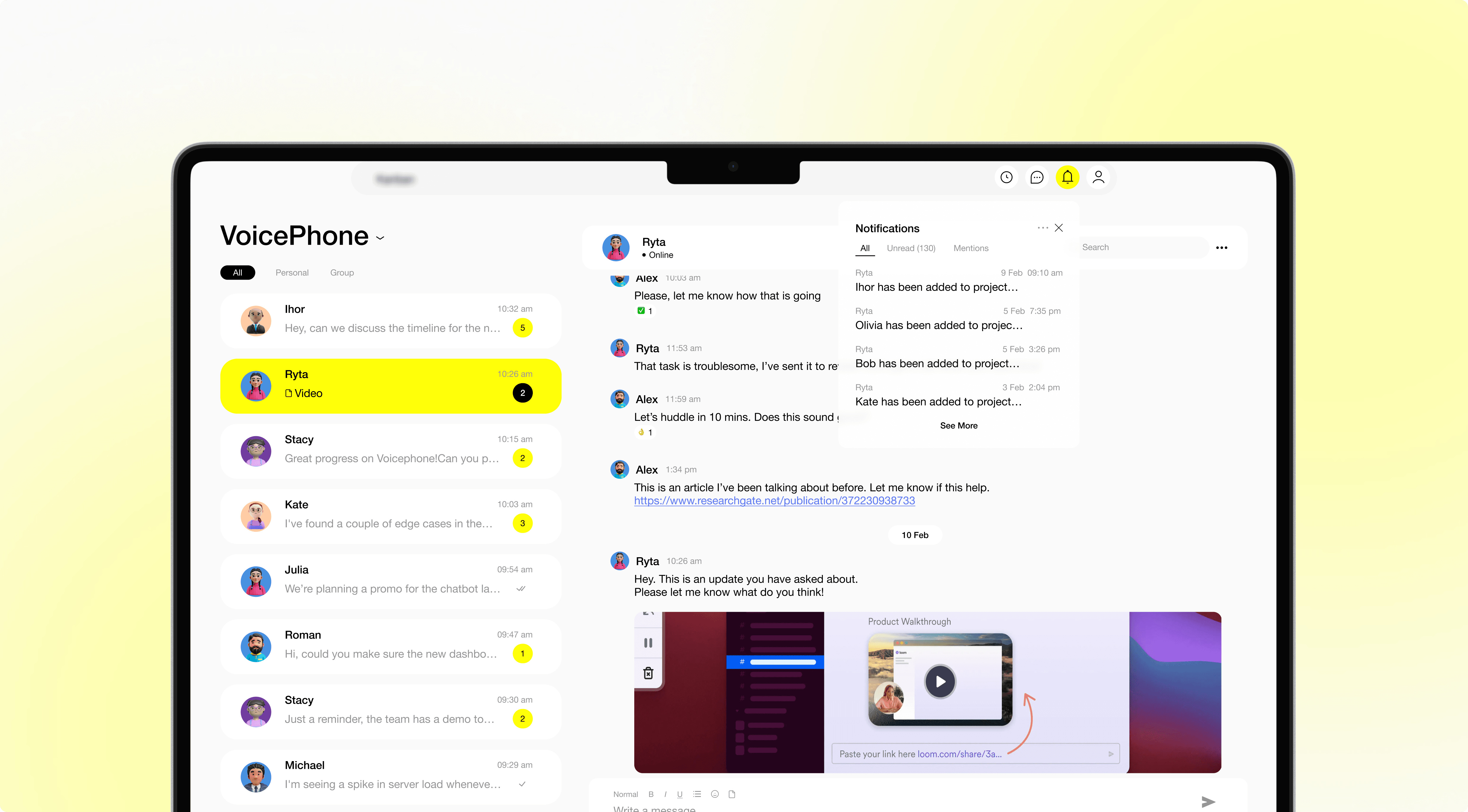
All-in-One Project Management System
An end-to-end project management platform that unifies dashboards, task tracking, time tracking, and team messaging in one collaboration-focused system.

Arizto
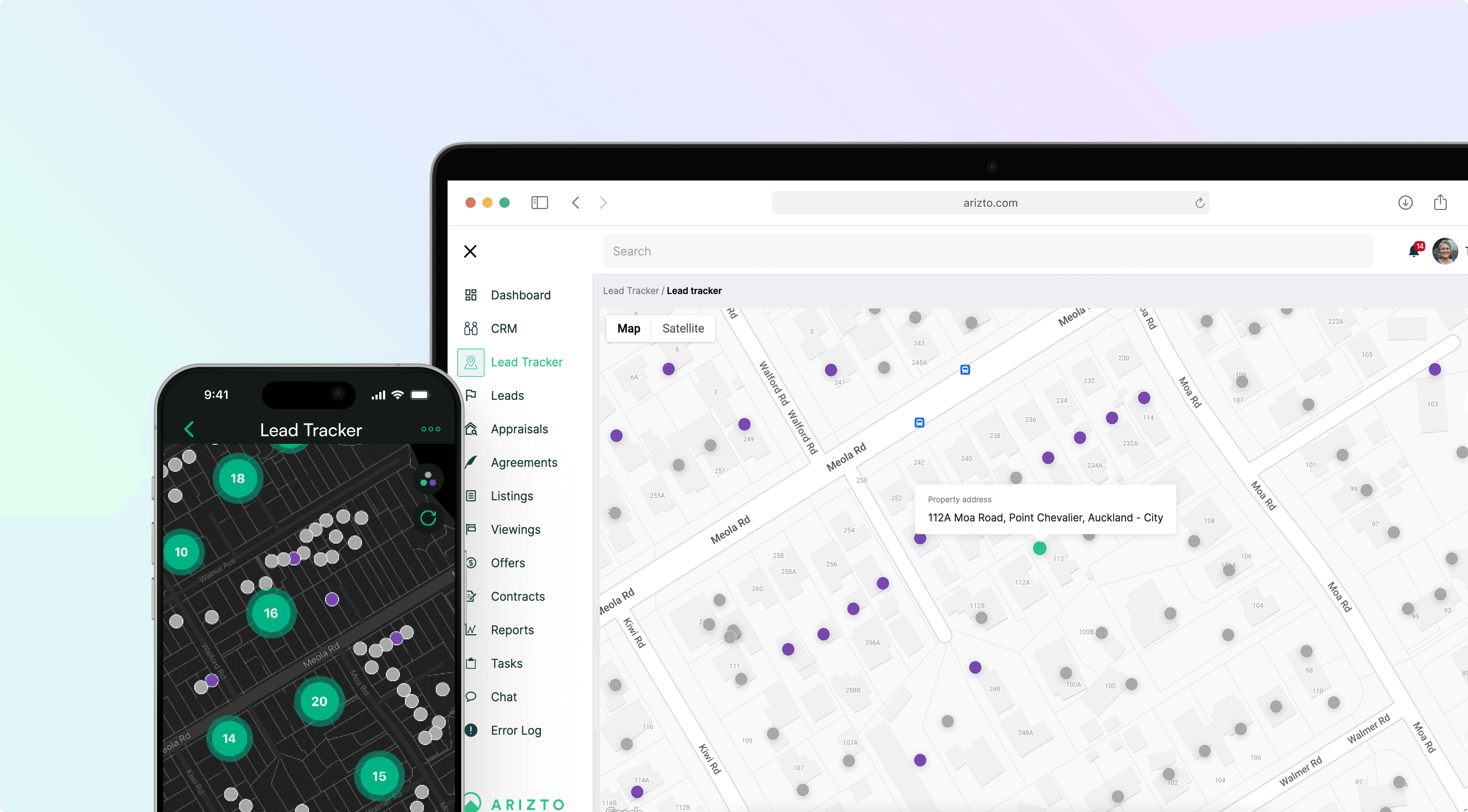
A real-time property sales dashboard where buyers and sellers track live offers on an interactive map and close the full transaction in one platform.
BlackBird.AI
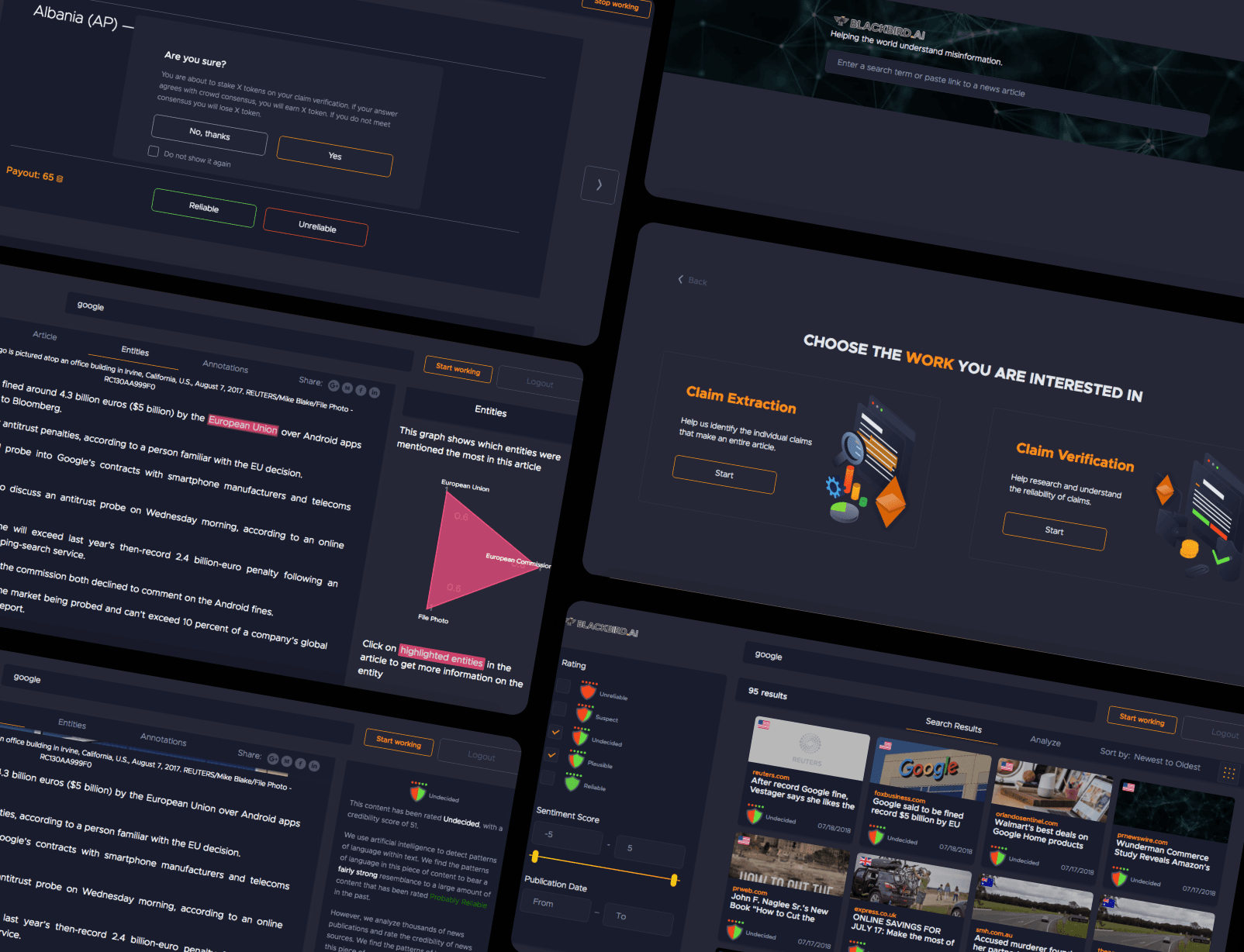
BlackBird.ai is an ambitious and innovative startup platform that analyzes content and detects misinformation using deep learning algorithms.
What Else Helps You Build Better React Applications
These related services help extend React into a complete application ecosystem — from UI to deployment.


Frontend Ecosystem
Create fast, responsive, and scalable interfaces.
Full-Stack & Application Development
Turn React interfaces into complete applications.
Cloud & DevOps Infrastructure
Deploy, scale, and operate React applications reliably.Our Development Process
Every React engagement follows the same 6 steps. Clients who hire a dedicated ReactJS developer skip the first-sprint scramble of undocumented decisions.Discovery & Analysis
Requirements, performance targets, and integration points documented before the first commit. Scope clarity here costs far less than at sprint 4.
Architecture & Design
You get the component hierarchy, state model, and API contracts agreed before sprint one.
Development & Implementation
You get 2-week sprints with daily standups and weekly demos. Scope changes logged, never silently absorbed.
Testing & Quality Assurance
Unit, integration, and E2E tests ship with every feature. Critical paths covered at a minimum of 75% before release.
Optimization & Performance Tuning
Bundle analysis, React Profiler runs, and load simulation before every release. Core Web Vitals measured against agreed numbers, regressions block the merge.
Deployment & Ongoing Support
CI/CD pipelines for automated deployments to staging and production. Post-launch monitoring and incident response from day one.
Why trust us? More than 50+ customers worldwide did!
The React engineers you interview at Incora have shipped to production under real load, real deadlines, and real compliance audits. That is the only filter that matters when a frontend bug becomes a revenue bug.
101+
Experts to choose from10+
Years of experience150+
Projects successfully delivered20+
Niche-experienced developersFAQ About Hiring ReactJS Developers
Do you offer flexible engagement durations?
Yes. Whether you need a ReactJS developer to hire for a single sprint, a multi-month migration, or an open-ended product engagement, Incora supports all three under one master service agreement. Headcount can scale up or down as scope changes, so adding a second React engineer for a focused performance or migration sprint does not require renegotiating the base contract.
How much does it cost to hire a react developer?
To hire a ReactJS developer at Incora, Staff Augmentation starts from $5k per month per engineer, Managed Team from $10k, Managed Project from $20k. Rate depends on seniority, stack depth (Next.js, RSC, Redux Toolkit, performance tuning), and domain exposure for regulated sectors like fintech or healthcare. All quotes include onboarding, code review, and team coordination time.
How to hire react js developers?
Submit your stack, scope, and target start date through the contact form. To hire ReactJS developers with verified production background, Incora delivers pre-screened profiles within 48 hours, each with a CV, project history, and internal technical screen results. Full onboarding to your repo, CI, and standup rituals takes 3 to 5 business days after contract sign.
How long does it take to develop a React.js web application?
Timeline scales with scope and integration depth. A focused interface with clear requirements and 1 or 2 third-party integrations ships in 6 to 10 weeks. Mid-complexity products with auth, payments, and a content layer take 3 to 5 months. When you hire ReactJS developers for enterprise builds with deep backend integration, multi-tenant architecture, or migration from a legacy stack, expect 6 to 12 months.
Can your React developers join my existing team?
Yes. Hire a remote ReactJS developer who attends your standups, works in your repo, and reports directly to your tech lead with no extra coordination layer added on top. Engineers integrate into your existing workflow, so your tooling, branch policy, and review process stay the same.
Can you handle an entire React.js project from start to finish?
If you need a full-project engagement rather than individual developer capacity, our React.js development services cover end-to-end delivery — from architecture and component design to production deployment, performance audits, and ongoing maintenance.
Is it possible to migrate an app from other technologies to React?
Yes. Incora handles migrations from Angular, Vue, jQuery, and server-rendered stacks (PHP, Ruby on Rails, ASP.NET) in phases, keeping the live product available throughout. The standard approach is to route-by-route migrate behind a reverse proxy, so users see no downtime and your analytics remain continuous. Companies that need to hire dedicated offshore ReactJS developers for the migration scope get a dedicated team focused only on that work.
Check Out These Related Reads!
On our blog we share tips, tricks, hacks and insights on the business and tech industry to get you integrated into the software development environment. Head over to our blog to find the insights for your business.






Book a call or send us a message
Got an idea in mind? Drop us a line and we’ll turn the vision into reality with the custom approach!

Just pick a time. No forms.


This site uses cookies to improve your user experience. Read our Privacy Policy
Accept