This site uses cookies to improve your user experience. Read our Privacy Policy




By Bohdan Vasylkiv
- CEO & Co-Founder
Building Automated Permit Tracking Systems for Construction Companies
Automate permit tracking to boost compliance, cut delays, and simplify construction management.
Permit management in construction is one of the most critical operational challenges in the industry.
Construction companies managing multiple projects across different jurisdictions face complex workflows that demand precise coordination.
Construction permit management has traditionally relied on manual processes, spreadsheets, and scattered documentation. Such a system introduces delays, errors, and compliance risks.
Automated permit tracking systems transform this landscape by centralizing operations, reducing approval cycles, and ensuring regulatory adherence at scale.
Understanding Permit Management in Construction

Permit management in construction encompasses the systematic oversight of all required approvals and authorizations to ensure the legal execution of building work.
Every construction project requires multiple permits before work can commence.
The complexity increases when dealing with large-scale developments across multiple jurisdictions, each with unique regulations and submission requirements.
Traditional permit management in construction processes creates bottlenecks that directly impact project timelines and budgets.
A single delayed permit can trigger cascading delays across the entire construction schedule.
When contractors cannot start site preparation, subsequent trades cannot mobilize. Equipment rentals extend. Labor schedules shift.
These inefficiencies compound quickly, turning a two-week delay into a six-figure cost impact.
The challenge intensifies because permit management in construction involves coordination between multiple stakeholders.
Contractors must communicate with municipal offices, environmental agencies, fire departments, and utility companies.
Each entity operates on different timelines and maintains separate documentation systems.
Without centralized tracking, critical communications fall through cracks, documents get lost, and approvals stall.
The Current State of Permit Management in Construction
Most construction companies still rely on partially manual systems for permit management.
Despite decades of digital transformation in other industries, many firms still rely on manual processes such as email chains, phone calls, and paper records to track permit status.
This manual effort not only creates inefficiency but also introduces human error, leading to missed deadlines and regulatory violations.
The fragmented nature of current permit management in construction means project information is spread across multiple platforms.
Information silos create communication breakdowns, duplicate effort, and an increased risk of errors.
The best way to prevent them is to use custom construction software for permit tracking.
Construction Permit Tracking Software: Core Functionality and Benefits

Construction permit tracking software represents a fundamental shift in how companies manage regulatory approvals.
This specialized technology centralizes all permit-related information, automates workflow routing, and provides real-time visibility into each application's status.
Rather than scattered documentation, construction permit tracking software creates a single source of truth accessible to all authorized team members.
Modern construction permit tracking software integrates digital document management, automated status monitoring, and intelligent notification systems.
When a project begins, the software immediately identifies which permits apply based on project type, location, and scope.
The system guides users through submission requirements specific to each municipality, eliminating guesswork and reducing incomplete applications.
One of the most powerful features of construction permit tracking software involves automated routing.
Rather than manually sending documents to various departments, the system routes applications based on predefined rules.
This automation eliminates the delays inherent in manual handoffs and ensures applications reach the correct reviewers immediately.
Key Advantages of Construction Permit Tracking Software
Construction permit tracking software delivers measurable improvements across multiple operational dimensions. The list of key advantages of construction permit tracking software includes:
- Automated data management and updates
- Streamlined and simplified documentation management
- Higher accuracy and reduced human factor
- Reduced administrative burden and saved costs
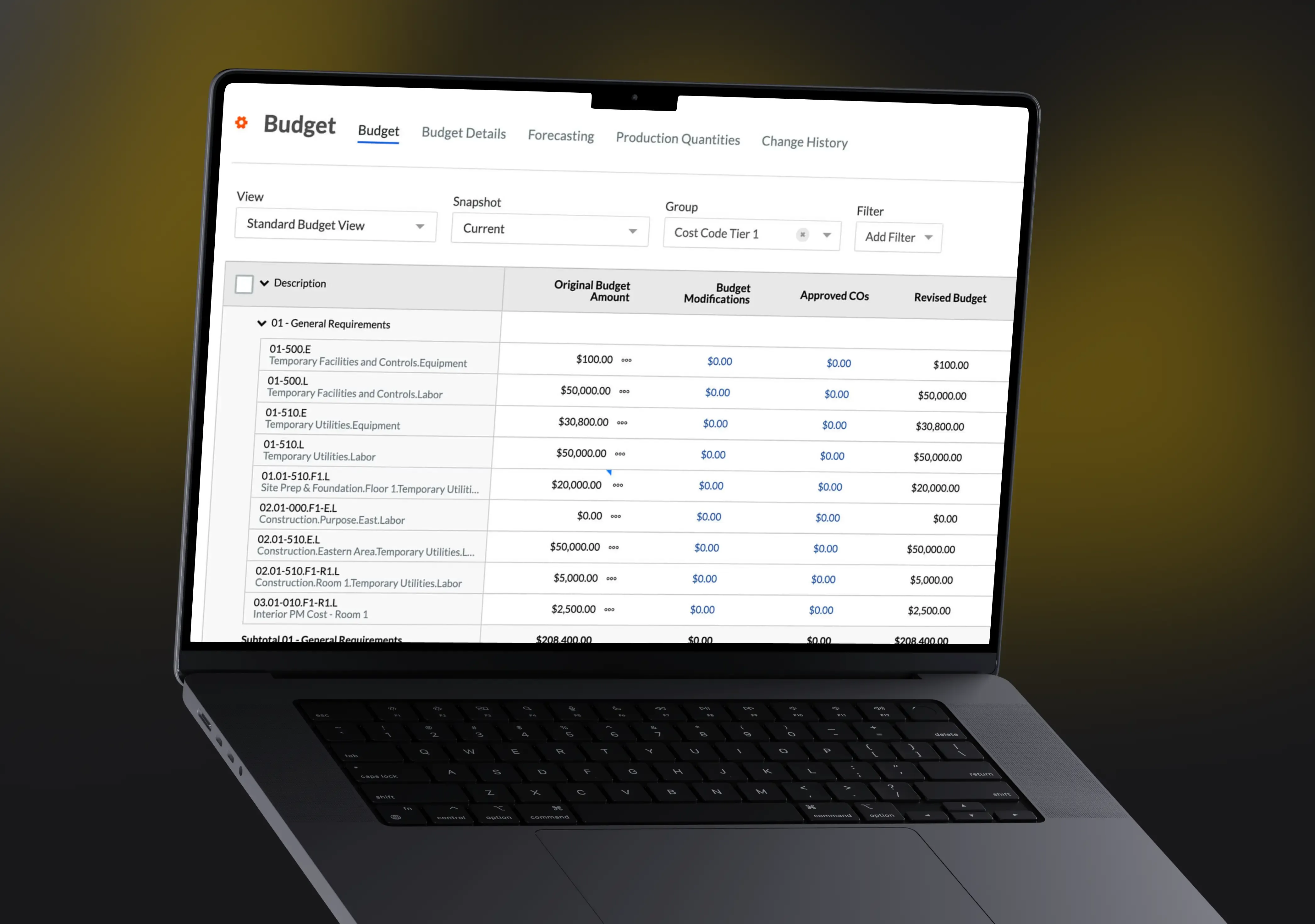
Real-time tracking represents another significant benefit. Project managers can access permit status dashboards from anywhere and view exactly where each application stands in the approval process.
When delays occur, the system identifies them immediately rather than waiting until after checking with municipal offices. This visibility enables proactive problem-solving rather than reactive crisis management.
Construction permit tracking software dramatically reduces administrative burden.
Automated data entry, document management, and notification systems free compliance officers to focus on strategic issues rather than paperwork logistics.
Compliance tracking improves significantly with construction permit tracking software.
The system maintains complete audit trails documenting every approval, amendment, and sign-off.
All records are immediately available in an organized, searchable format. The results would be even higher and faster if you were using AI compliance automation.
This transparency accelerates audits while demonstrating regulatory adherence.
Construction Permit Requirements: What Builders Must Know?

To create efficient construction permit management software, you need to understand your users' needs. Additionally, you must understand the specifics of such software solutions.
Types of Construction Permit Requirements
Construction permit requirements vary dramatically based on project type, location, and scope.
Understanding these distinctions is essential for effective permit planning. Residential projects require different permits than commercial developments.
A simple addition requires far fewer approvals than a multi-story mixed-use complex.
Construction permit requirements can be categorized into primary permits and trade-specific permits. Primary permits include building, electrical, plumbing, and mechanical permits (for HVAC installations).
Environmental permits address stormwater management, wetland impacts, and environmental compliance.
Safety-related permits ensure compliance with hazard management and fire code requirements.
The scope of construction permit requirements expands as projects become more complex.
Jurisdictional Variations in Construction Permit Requirements
One of the most significant challenges in managing construction permit requirements involves jurisdictional variation.
A project straddling municipal boundaries may require separate permits from each jurisdiction.
What constitutes structural work subject to permitting in one city might be routine maintenance in another.
Staying current with evolving construction permit requirements is nearly impossible through manual processes.
Software-driven systems can automatically update requirements as new codes take effect, ensuring projects comply with current standards rather than obsolete regulations.
This dynamic updating capability protects companies from costly compliance oversights.
Managing Multiple Construction Permit Requirements
Construction projects increasingly require coordination across multiple agencies.
Managing these diverse construction permit requirements through separate email chains and phone calls creates enormous coordination challenges.
Systematic approaches to construction permit requirements management involve creating standardized checklists that are updated as code changes occur.
Digital systems can automatically apply these checklists based on project characteristics, ensuring nothing is overlooked.
When permit requirements change mid-project, the system alerts affected teams and flags any required compliance adjustments.
The Best Implementation Practices of Automated Permit Tracking Systems
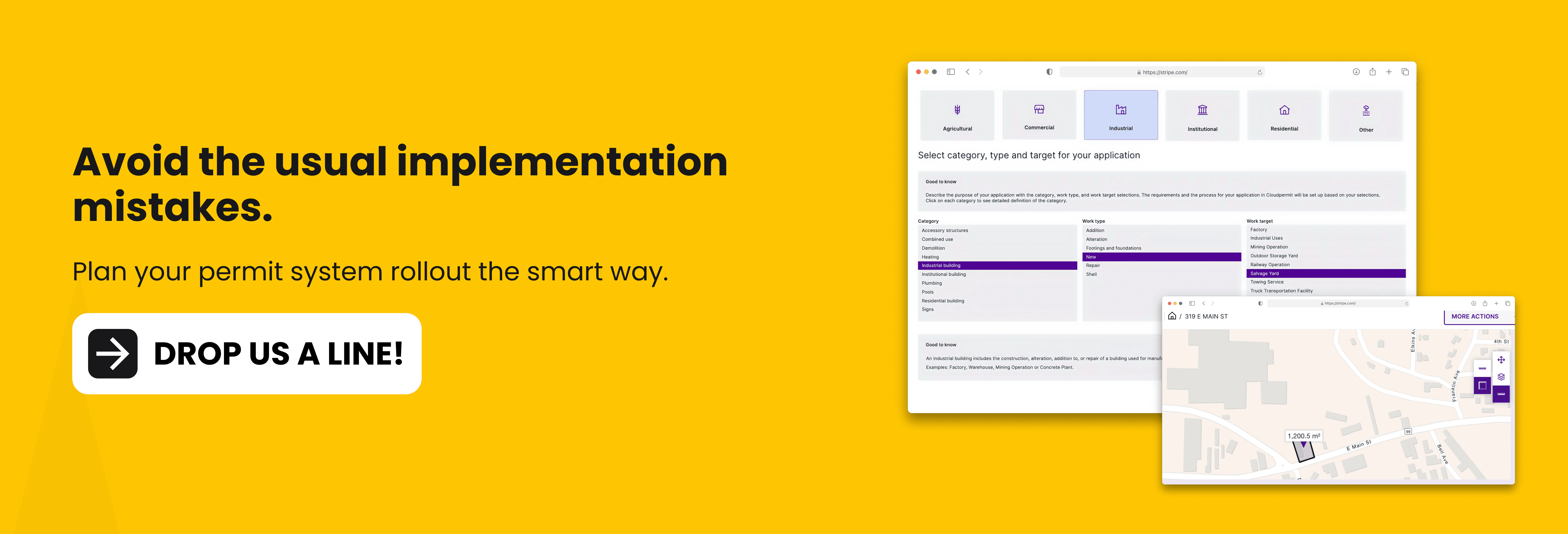
The short list of the best practices for such a construction software development project includes:
- Designing effective automated workflows
- Integrating notifications and alerts
- Real-time tracking dashboards for monitoring
- Compliance and audit trail documentation
Designing Effective Automated Permit Workflows
Successful automated permit tracking begins with mapping existing processes.
Before deploying technology, companies should document their current permit procedures in detail:
- Who approves permits?
- What documentation is required?
- Which departments must review applications?
- What are typical approval timelines?
Understanding these elements creates the foundation for effective automation.
Automated workflows should mirror actual decision-making processes rather than imposing rigid structures.
If certain permit types require environmental review while others don't, the workflow should accommodate this distinction.
If projects in specific areas face longer approval times due to higher review standards, the system should reflect realistic timelines.
Automating poorly designed processes simply speeds up dysfunction.
Clear approval criteria are essential.
Each workflow stage should specify exactly which decision-maker must act and what information they need to make the decision.
Rather than routing applications to departments at random, precise routing ensures the right person reviews each element.
This specificity accelerates approvals by eliminating unnecessary handoffs and back-and-forth between departments.
Integrating Notification and Alert Systems
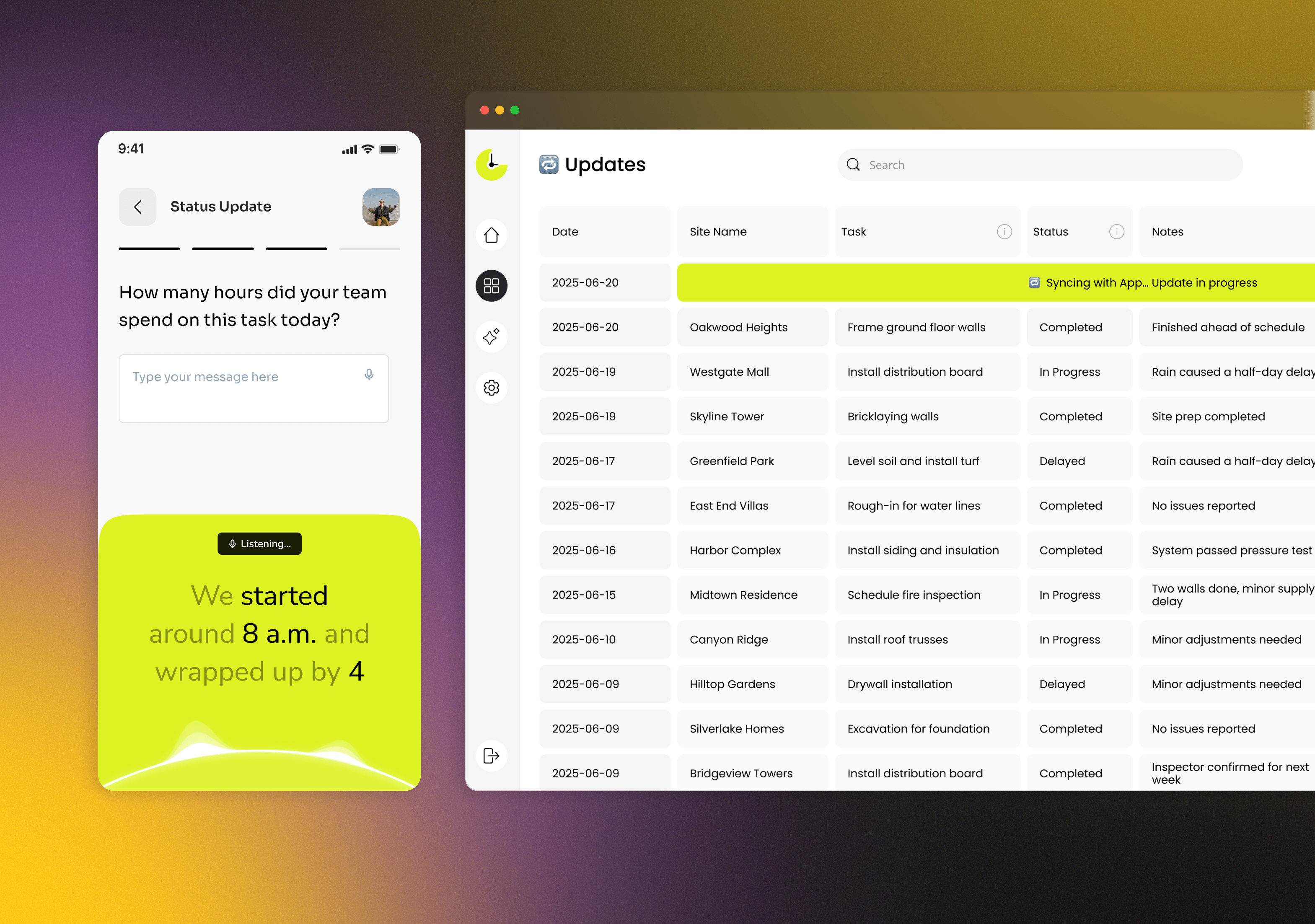
Automated notifications are among the most valuable features in permit tracking systems.
Applicants benefit from instant alerts when permits are approved, rejected, or require additional information.
Rather than checking permit status repeatedly or calling municipal offices, stakeholders receive proactive communication about what matters.
For internal teams, notification systems ensure nothing falls through the cracks. When permit requirements exist, responsible parties receive alerts. When responses are due, reminders activate automatically.
This systematic approach creates accountability while reducing administrative burden. Projects move forward predictably rather than stalling because someone forgot to follow up on a pending requirement.
Notification customization ensures that the right stakeholders receive the right information.
Project managers care about overall permit status and project impact. Compliance officers need detailed regulatory updates.
Field supervisors primarily focus on when work can legally commence.
Different users can configure notification settings reflecting their roles and responsibilities.
Real-Time Tracking Dashboards for Permit Status Monitoring
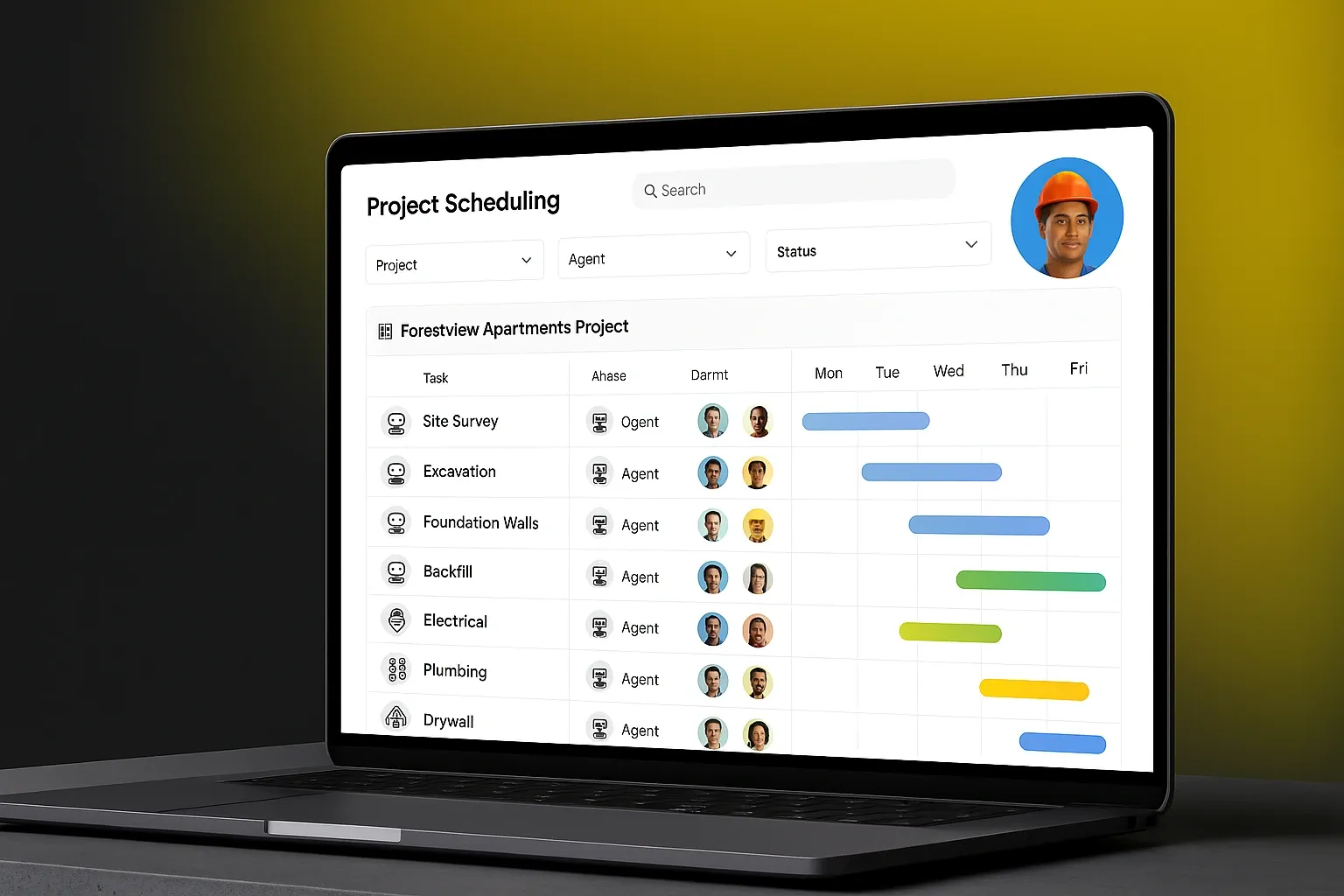
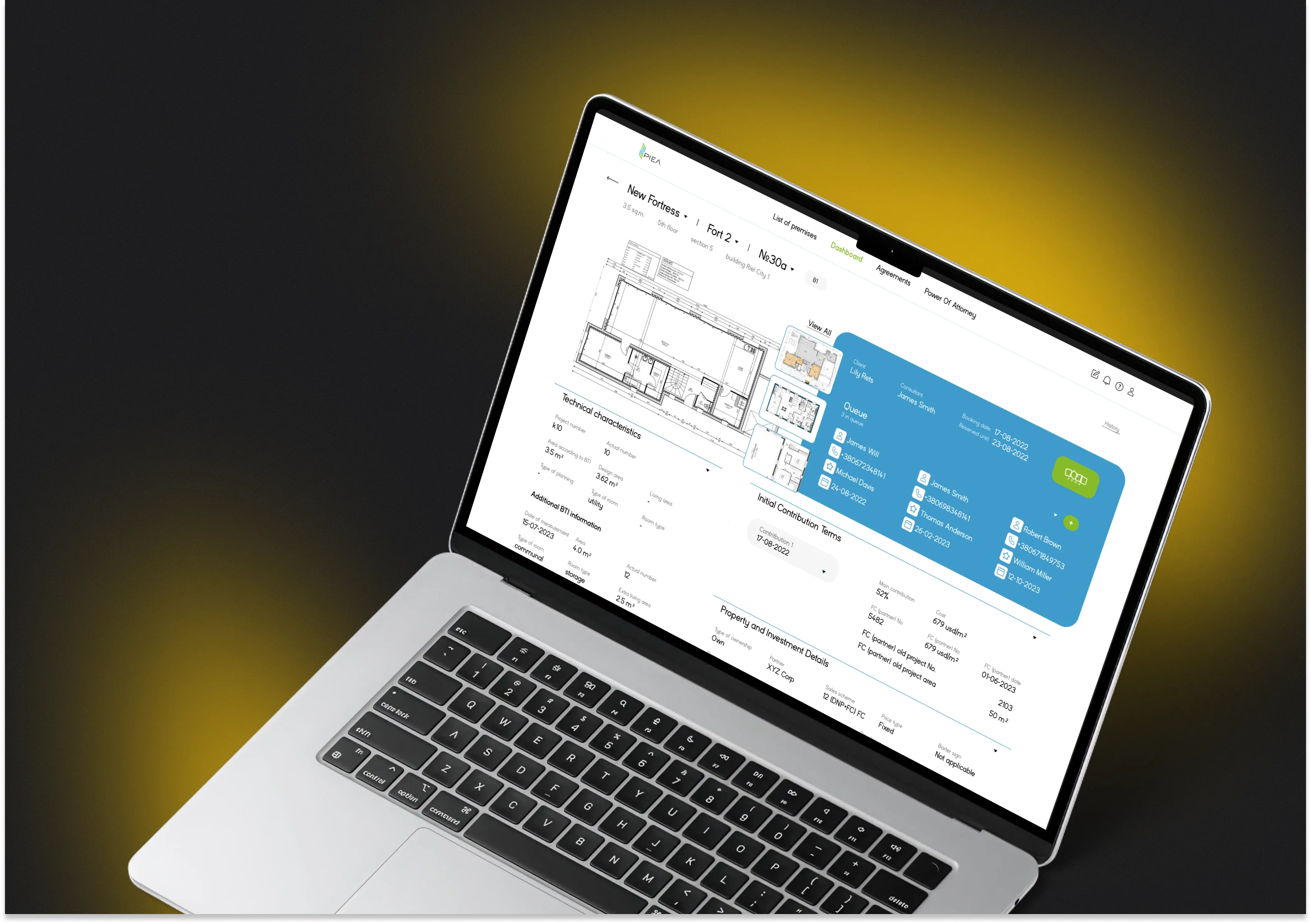
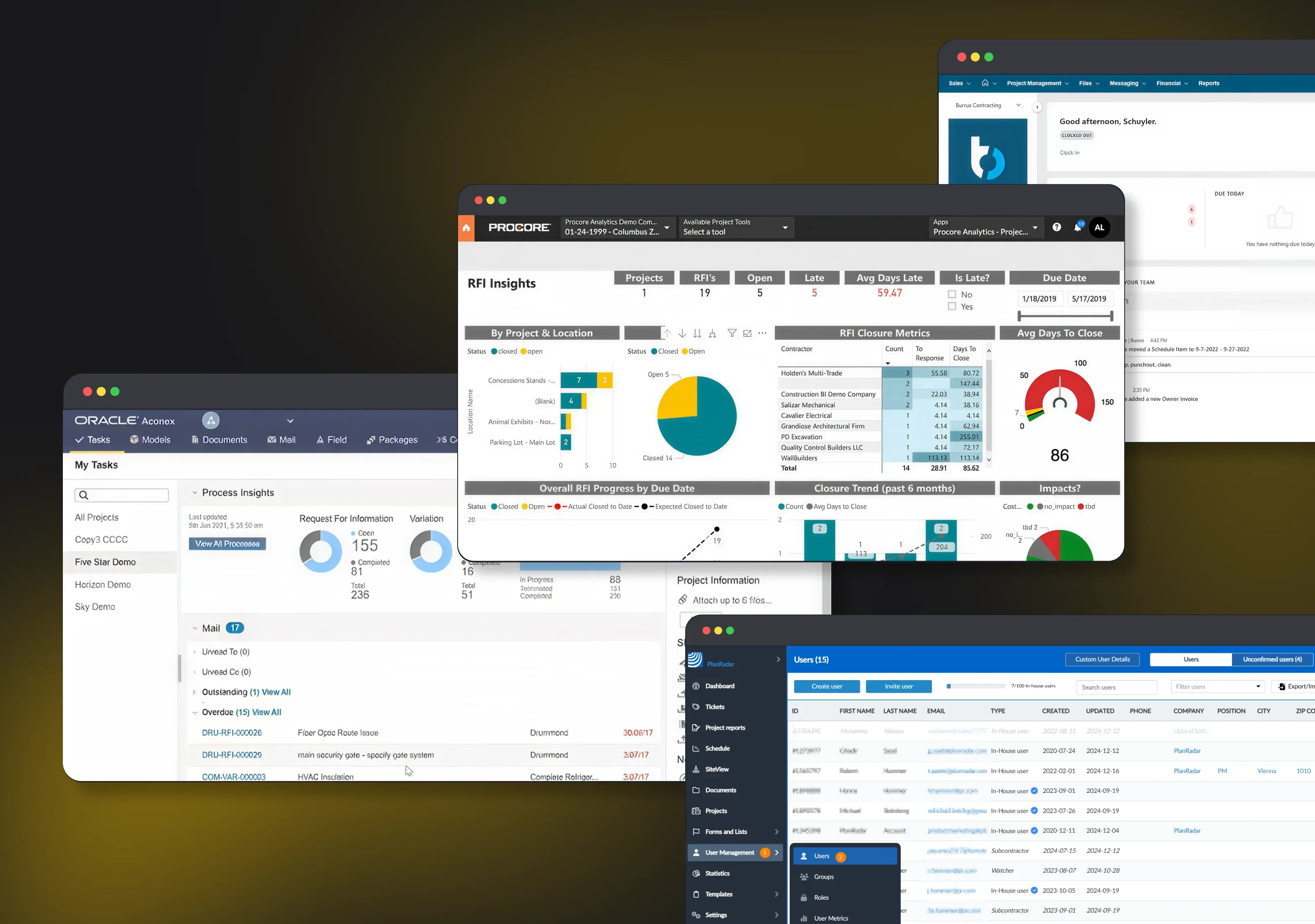
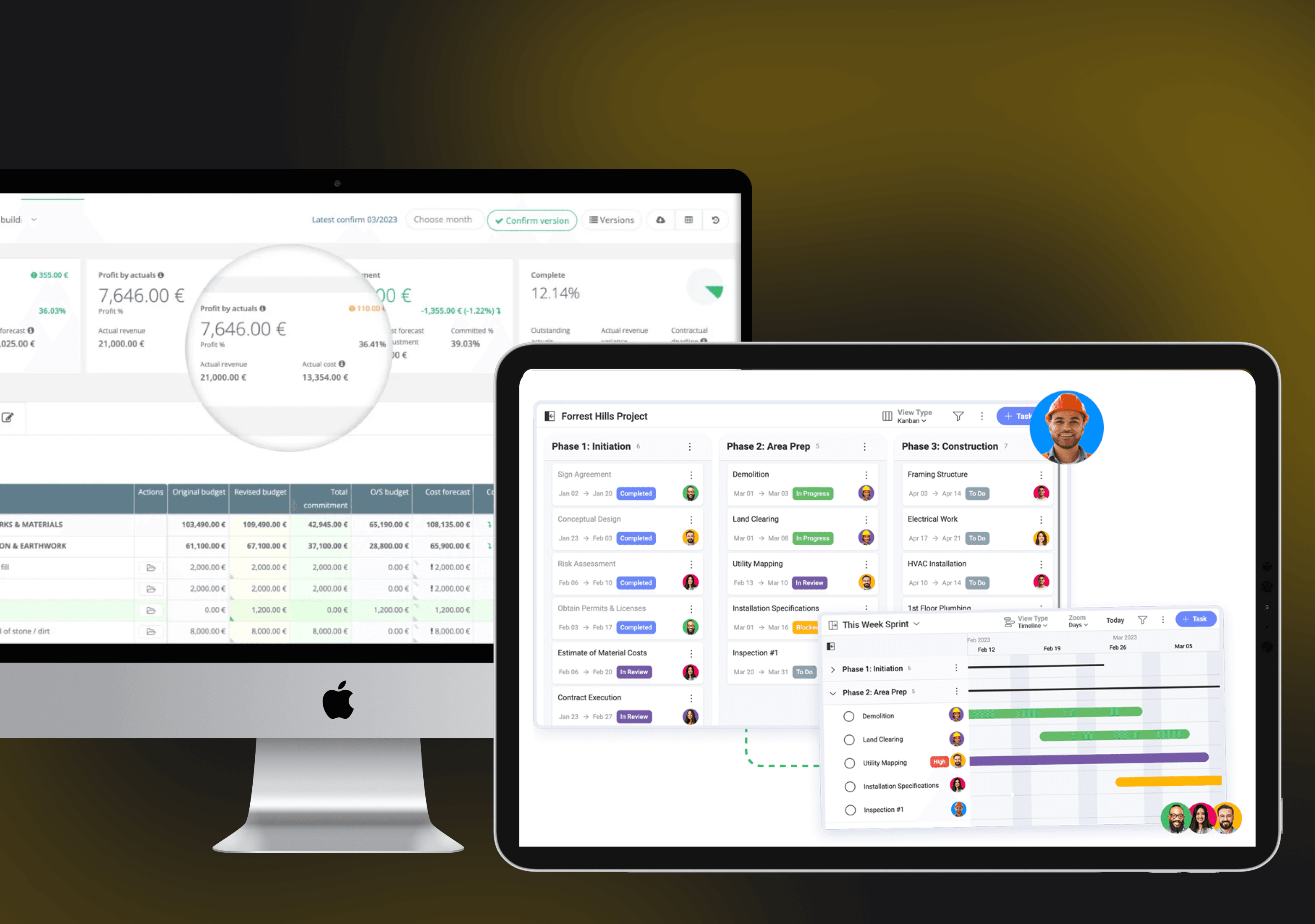
Modern permit tracking systems provide a dashboard view of all active applications.
Rather than hunting through email or calling municipal offices, project teams see permit status instantly.
Dashboards should provide appropriate detail levels.
Executive summaries show portfolio-level status: What percentage of projects have completed permitting?
Detailed project views show specific permit status, outstanding requirements, and responsible parties.
This information architecture ensures that decision-makers see relevant information without being overwhelmed by minutiae.
Mobile access to permit tracking dashboards means field teams and site supervisors can verify permit status before mobilizing equipment or scheduling work.
Rather than assuming permits are approved, teams can confirm status on site.
This on-site access prevents costly errors, such as starting work before all necessary approvals are finalized.
Compliance and Audit Trail Documentation
Automated systems maintain complete documentation trails that satisfy auditing requirements.
Every approval, change, rejection, and amendment is recorded with timestamps and responsible parties.
When regulators request documentation, companies can instantly produce organized records proving regulatory compliance.
Version control within permit management systems ensures the correct document versions are always accessible.
When municipalities request revisions, the system tracks which versions were submitted and what changes were made. This prevents confusion about which drawings or specifications actually govern current work.
Integration with construction management platforms ensures permit information flows into project documentation.
Quality assurance inspectors can reference permit requirements to validate that inspected work actually complies with approved plans.
Any discrepancies between permitted work and actual construction become immediately apparent, allowing corrective action before work progresses.
Overcoming Common Implementation Challenges
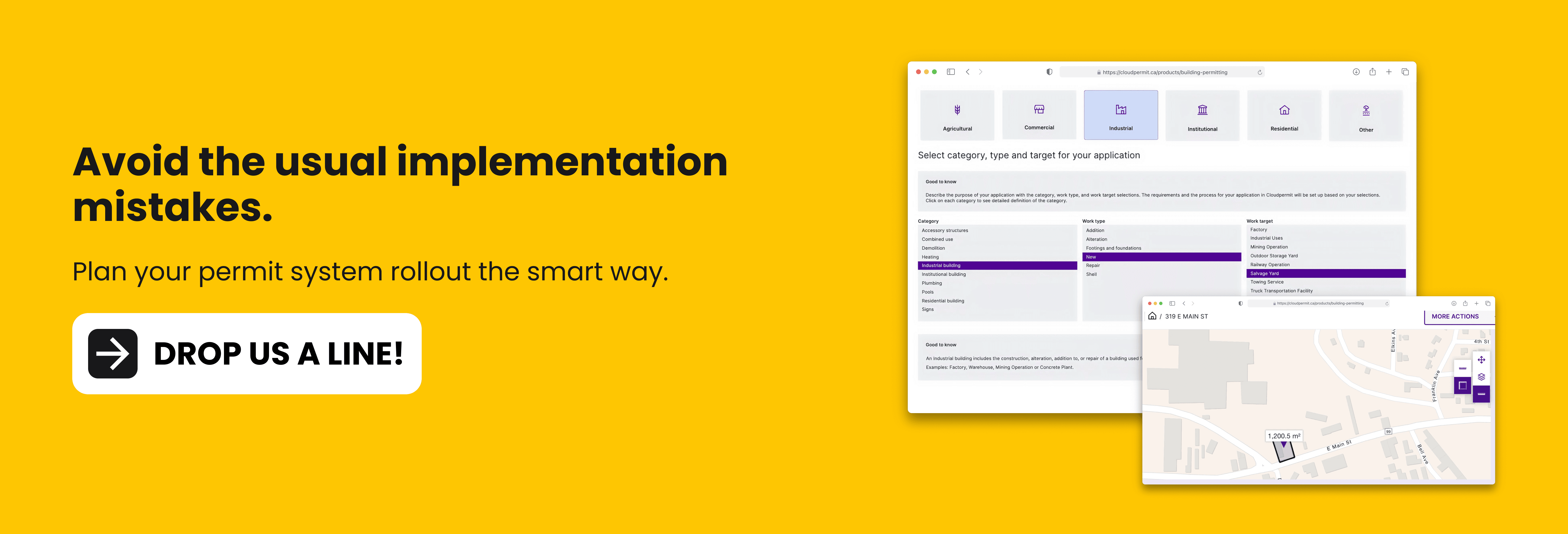
The most common issues and challenges of implementing construction permit management software usually include:
- User adoption and training requirements
- Managing resistance in employees
- Legacy system integration challenges
User Adoption and Training Requirements
Technology projects fail more often due to user adoption issues than technical problems.
Employees accustomed to familiar processes resist shifting to new systems, even when the new approach offers advantages.
Successful implementations include comprehensive change management alongside technology deployment.
Training should be role-specific rather than one-size-fits-all. Permit specialists need different training than field supervisors or account managers.
Hands-on practice with realistic scenarios helps users understand system capabilities. Video tutorials allow self-paced learning.
Live support during early deployment smooths the transition.
Identifying and empowering internal champions accelerates adoption. Their positive experiences provide social proof more effective than management mandates.
Managing Resistance from Traditional Permit Specialists
Permit specialists who have managed applications manually for years may view automated systems as a threat to their expertise.
Rather than viewing these individuals as obstacles, innovative implementations recognize their deep knowledge as essential.
These specialists should be involved in system configuration to ensure automated workflows reflect best practices.
Reframing the technology as an expansion rather than a replacement of expertise helps shift perspectives.
Specialists are freed from repetitive data entry to focus on complex situations requiring judgment and experience.
Automated routine work elevates their role to higher-value activities.
Addressing Legacy System Integration Challenges
Many construction firms operate multiple legacy systems.
Financial software from the 1990s might coexist with recently implemented project management platforms and older email systems.
Integrating permit tracking into this fragmented landscape creates technical challenges.
Middleware solutions can bridge incompatible systems, translating data between different formats and protocols.
While more complex than modern integrated systems, thoughtful implementation can still achieve meaningful workflow improvements.
Staged implementation, replacing systems incrementally rather than simultaneously, reduces disruption and allows legacy systems to coexist during the transition.
Why Build Construction Permit Management Software with Incora
Incora specializes in construction permit management software designed around how construction teams actually work.
Our development team analyzes your permit management in construction workflows, identifies bottlenecks, and builds construction permit management software that aligns with your standards.
This approach reduces resistance, accelerates adoption, and delivers measurable results from the first projects onboarded.
As an experienced technological partner, Incora guarantees the successful delivery of software solutions that address your needs. Contact us, and we will gladly handle the rest.
FAQ
What is an automated permit tracking system for construction?
An automated permit tracking system is software that centralizes, tracks, and updates permit applications in real time, replacing email chains and spreadsheets.
How does it help construction companies?
It reduces delays, minimizes manual errors, and improves compliance by giving teams instant visibility into permit status and required actions.
Who benefits most from such a system?
Project managers, permit specialists, executives, and field supervisors all gain clearer oversight and faster decisions through role-based dashboards and notifications.
Can it integrate with existing construction tools?
Yes, modern solutions integrate with project management and document control platforms so permit data flows into schedules, inspections, and quality assurance workflows.
What are common implementation challenges?
Typical challenges include user adoption, resistance from traditional permit specialists, and integrating with legacy systems already used in the company.


YOU MAY ALSO LIKE


![How AI Negotiation Agents Improve Construction Procurement [And Why Do You Need It]](https://incora-uploads.s3.us-east-1.amazonaws.com/Cover_392b578d2f.webp)







Get in Touch
Got no clue where to start? Why don’t we discuss your idea?


